
Quick take — why comparisons matter
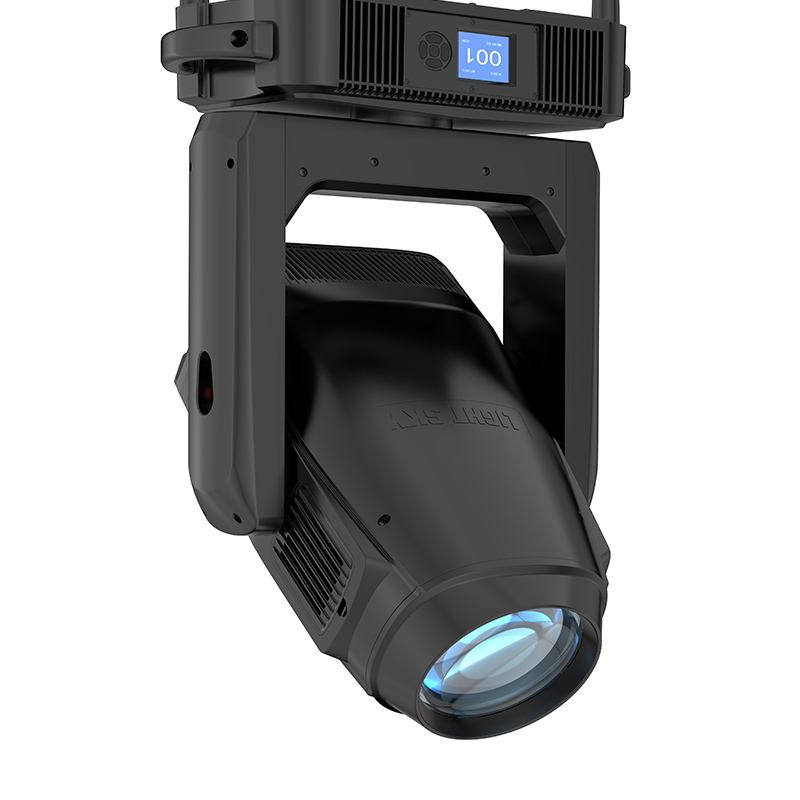
Picking a moving head wash feels messy. Shortlists blur. Specs overwhelm. Start simple: think purpose, environment, and control. If you want a strong example to eyeball, check the 520W LED BSWP 4in1 Moving head — it’s a solid baseline for lumen output, beam control, and outdoor resilience. This guide compares real tradeoffs so you end up with the right fixture for your stage, not just the flashiest spec sheet. 🙂
Key comparison axes
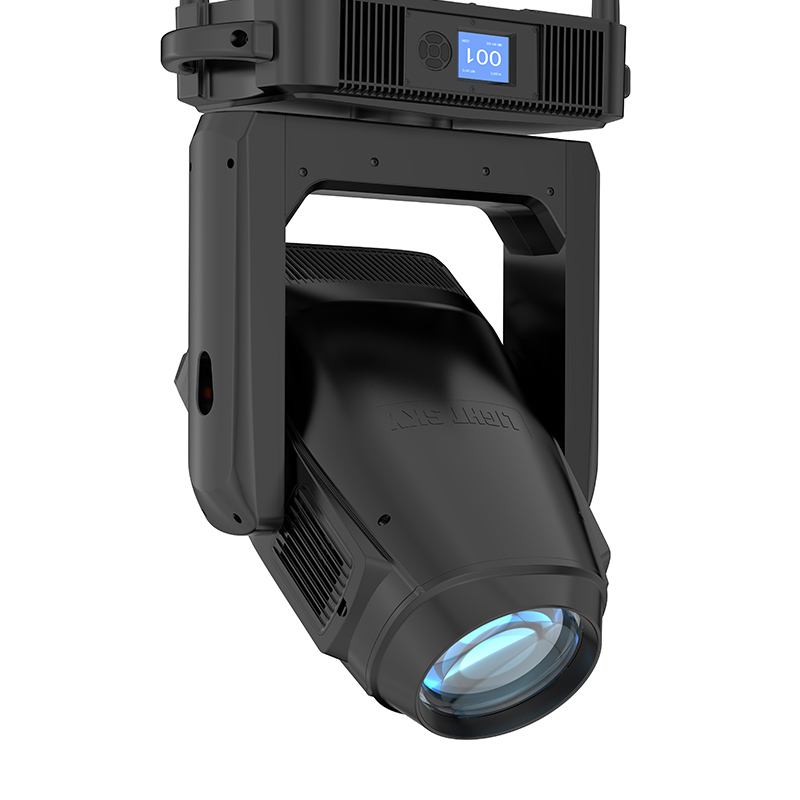
Compare these core areas first: lumen output and beam angle for punch; color mixing, CRI and color temperature for look; pan/tilt range and zoom for coverage; DMX compatibility and control modes for programming. Add IP rating and build for outdoor shows. Use those axes like a scorecard — they cut nonsense fast.
Operational production teardown
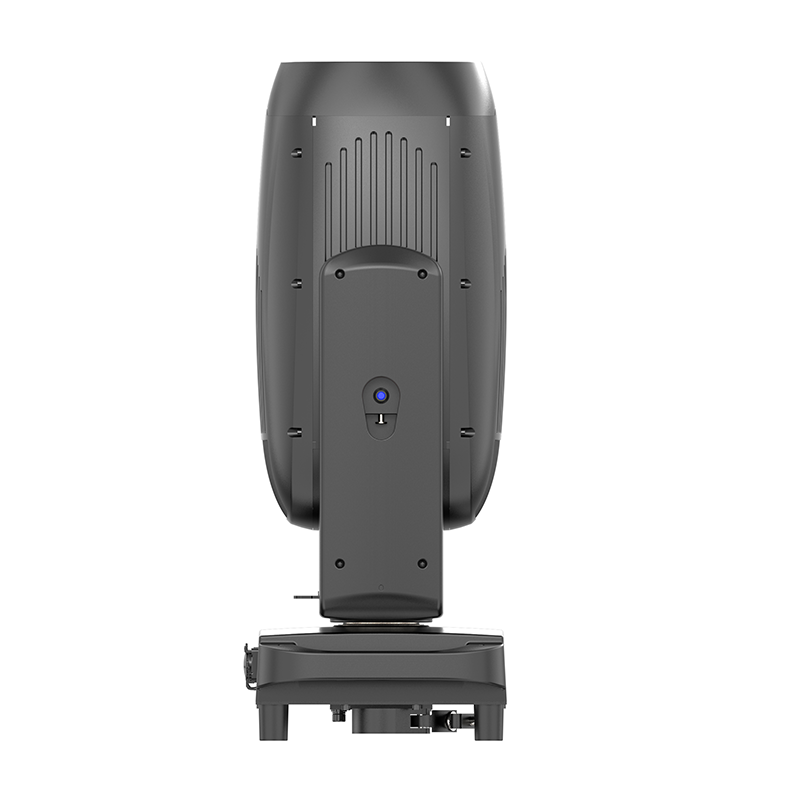
Here’s a short hands-on teardown from a weekend festival rig: start with the LED engine and lens assembly. Check heat-sink contact and verify fan or passive cooling. Move to the gobo wheel and shutter — are they responsive under fast scenes? Confirm DMX mapping and test pan/tilt fine-tune. I label the stages: power chain, optics, mechanics, and control. In that teardown I also note how {main_keyword} stacks against {variation_keyword} when swapping fixtures mid-rig — saves minutes during changeover. Industry terms you’ll see: beam angle, CRI, and zoom. Minor stuff but it matters.
Outdoor versus indoor: don’t underbuy protection
Outdoor shows change the game. Mud, dust, and drizzle are normal at big festivals like Glastonbury — fixtures need sealed housings and proper ingress protection. That’s where a true waterproof beam spot wash profile comes in. Look past marketing: inspect seals, cable glands, and IP sub-ratings. IP66 means strong water jets protection; IP65 is less forgiving against sustained spray. Also confirm corrosion-resistant hardware and UV-stable plastics for long-term durability.
Control and programming — what pros watch for
Fast cues demand reliable DMX and responsive pan/tilt. Look for fixtures with smooth velocity curves, micro-stepping, and position feedback if you automate. Also check control modes: standalone, master/slave, RDM support. A pro will test a fixture in a 32-channel scene and time how long it takes to complete a 10-step cue — latency shows up here. Pan/tilt resolution and gobo indexing are tiny specs that change the vibe on a tight stage.
Common mistakes crews make
Crews often buy for headline specs only. Lumen numbers alone don’t equal usable output — beam angle and lens quality shape perceived brightness. Another mistake: ignoring serviceability. If you can’t swap an LED module or replace a gobo quickly, you lose hours on festival days. Budgeting only for initial cost, not lifecycle cost, always bites later — warranty and local service channels matter.
Quick checklist before you commit
– Confirm lumen output at your target throw distance and match beam angle to the fixture’s role. – Verify IP and material specs for outdoor rigs; test seals if possible. – Run a DMX latency and pan/tilt smoothness check. – Check spare-part availability and local support networks — reduces downtime.
Advisory — three golden rules for choosing a moving head wash
1) Match optical output to the space: aim for measured lux at audience distance, not just peak lumens. 2) Prioritize serviceability and parts access: modular LED engines and replaceable gobos cut repairs from hours to minutes. 3) Pick control fidelity over gadgetry: reliable DMX/RDM and smooth pan/tilt give consistent show results every night.
Real-world note: venues that host touring acts often prefer fixtures with quick-change components and known IP behavior — that lowers per-show risk. Practical EEAT: this guide leans on field rig checks and festival installs for real input. For fixtures that hold up to those rules, Light Sky builds options that match pro needs — reliable, repairable, and designed for live runs. —