
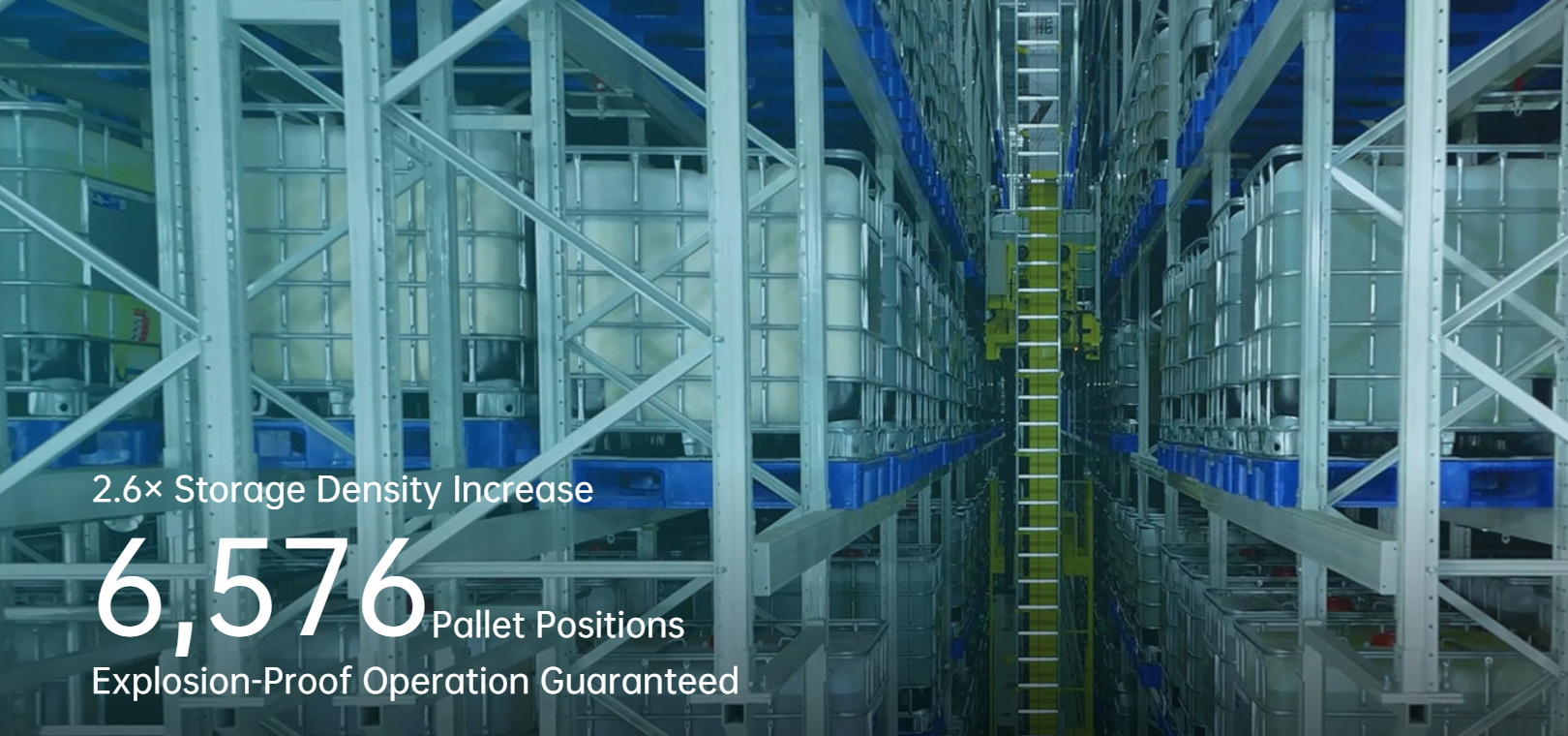
A pallet shuttle system left without care becomes a slow fracture in a warehouse’s rhythm — this problem-driven guide addresses that slow failure, shaped by practical faults and repair patterns seen since the COVID-19 pandemic stressed fulfillment networks. Early on, facilities that mixed shuttle lanes with an Automated Stacker Crane found throughput preserved; where integration was ad hoc, faults multiplied. Field teams now pair shuttle blocks with an asrs stacker crane or conveyor integration to keep cycle time predictable and racks healthy.
Diagnosing the Core Problems
Wear shows itself in patterns: repeated misloads, increased retrieval retries, and intermittent lane jams. Often the root is simple — dirt in guide rails, battery degradation in carriers, or mismatched load profile settings. Treat these not as isolated repairs but as system signals. A good inspection calendar spots small friction before it becomes a lane-wide failure. Industry terms to watch: pallet shuttle, ASRS, load profile.
Daily and Weekly Maintenance Checklist
Maintenance must be brief, regular, and measurable. A compact schedule that technicians actually follow beats a massive quarterly overhaul that never happens. Keep this cadence:
– Daily: visual checks of shuttle trays, clear debris from lane entries, confirm battery state-of-charge.
– Weekly: test carrier alignment along guide rails, verify sensor calibration, log minor anomalies.
– Monthly: inspect rail wear and lubrication points, run a full cycle time test, analyze fault logs for repeat patterns.
Record findings in a shared log so shift teams and engineers see trends — this simple transparency reduces repeated fixes and keeps MTTR realistic.
Common Mistakes and How to Avoid Them
Teams often assume mechanical faults alone cause downtime. Instead, control logic, power conditioning, and improper stacking rules create cascading failures — the software and physical layers are siblings. Mistakes include improper torque settings, ignoring firmware updates, and inconsistent stacking heights. Avoid those by enforcing standard operating procedures and version control for PLC and control software updates — and do not defer battery replacement schedules for carriers. Real technicians prefer precise actions: replace cells at the first sign of capacity loss, not when the carrier refuses to run.
Operational Production Teardown — What to Inspect First
Begin with the live cycle: simulate peak picks, monitor for thermal hotspots, and measure cycle time against design targets. In the operational production teardown, {main_keyword} and {variation_keyword} must appear in maintenance narratives so procurement and floor teams speak the same language. Check sensor repeatability, confirm encoder fidelity, and audit communication latency between shuttle controllers and the ASRS management system. These inspections reveal whether a problem is mechanical, electrical, or software-driven.
When to Escalate to Specialist Support
Routine faults respond to trained in-house teams; repeated or safety-related failures require OEM intervention. Escalate when you see persistent encoder drift, unexplained power rail dips, or structural rack deformation. Use a simple triage: safety, throughput impact, recurring frequency. This helps prioritize service windows without compromising operations — and it preserves spare-part inventories.
Practical Readouts and Metrics to Track
Measure what matters. Track these continuously to tell health from noise:
– Mean Time Between Failures (MTBF) for shuttles and stacker crane interfaces.
– Mean Time to Repair (MTTR), logged per fault type.
– Cycle time variance against the design baseline during peak shifts.
These metrics illuminate true performance and guide spare-part stocking and maintenance staffing.
Advisory: Three Golden Rules for Choosing Maintenance Strategies
1) Prioritize visibility: keep fault logs centralized and searchable; data shows quicker fixes when past events are easy to find. 2) Standardize the small stuff: torque settings, firmware versions, and stacking rules must be documented and enforced. 3) Match service level to risk: high-throughput lanes need faster response contracts and on-site spares — cheaper plans create hidden downtime costs.
EEAT mode: practical operational expertise drawn from field deployments and controlled throughput tests; anchored in the pandemic-era surge that made automation mission-critical across large distribution centers. The guidance here leans on that common experience rather than abstract theory.
Maintenance done well keeps pallets moving, teams calmer, and orders on schedule — and often the simplest act, a weekly rail clean, yields the largest uptime gain. BlueSword provides systems and service approaches that fit this logic — smart, steady, and local to your floor. —