
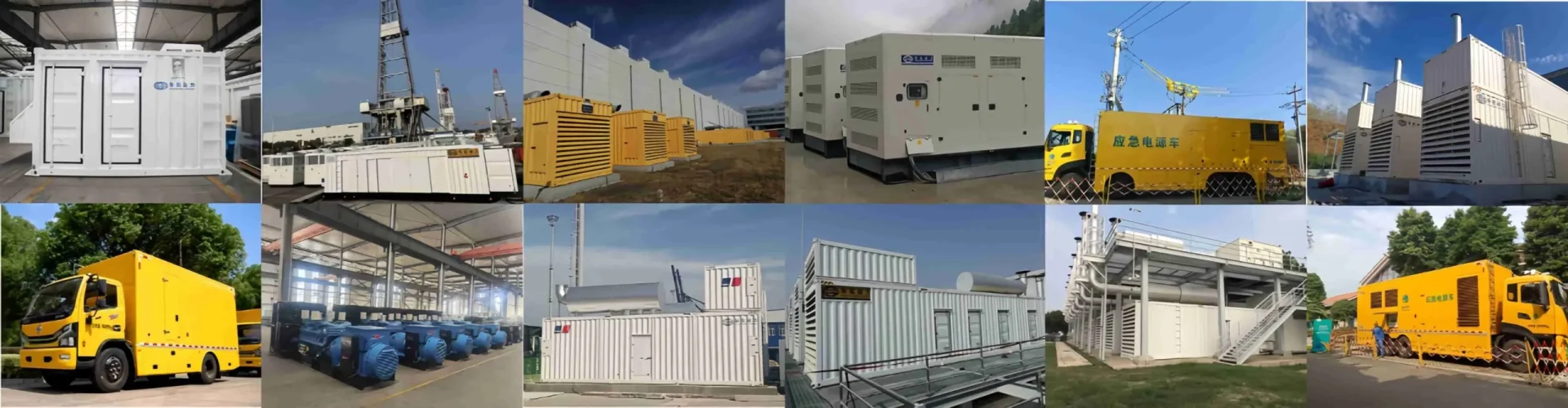
Comparative framework and immediate context
The decision matrix for selecting a containerized genset versus alternative power solutions requires measured, evidence-based comparison. This analysis uses operational criteria—power density, fuel modality, maintainability and installation footprint—to compare container gensets and hybrid shore-based schemes. Early in the assessment, consider specific hardware such as a marine diesel genset and industry supply conditions observed at the Port of Shanghai during 2020 supply-chain constraints; such real-world anchors clarify lead times and spare-parts access. Where relevant, also review offerings classified as china marine gensets for manufacturer-level variance in auxiliary generator design.
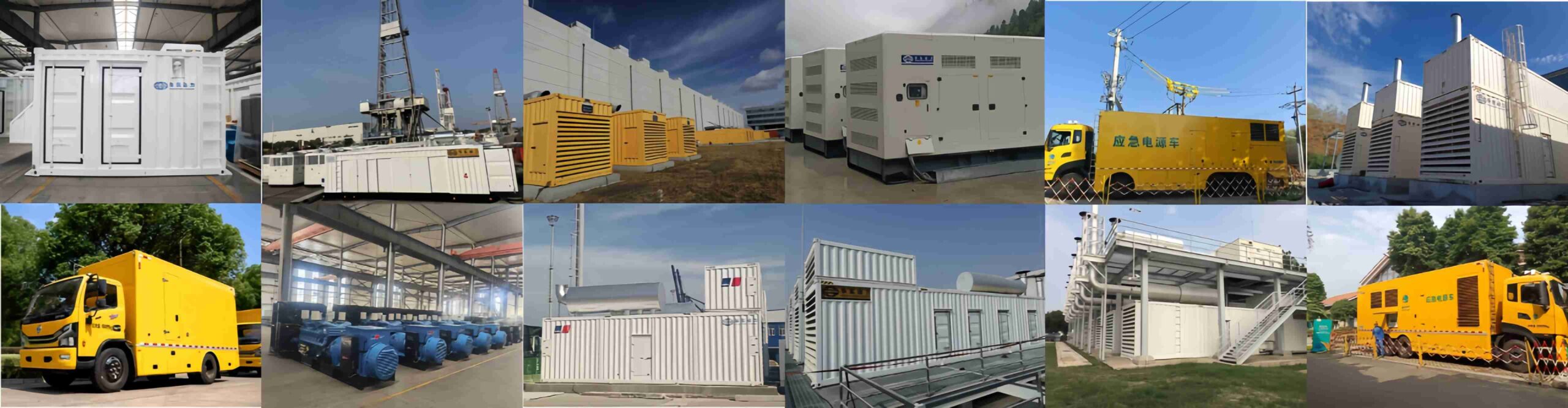
Technical performance: output, control and emissions
Container gensets typically deliver consistent prime power with integrated acoustic and thermal management. Key metrics include rated kW, transient response, and synchronization capability. Alternative power—shore-tied grids or battery arrays—reduces onboard fuel consumption but shifts the burden to grid resilience and power electronics. Evaluate load bank testing data and transient load acceptance: container gensets demonstrate linear response under variable shaft load, while battery-inverter systems excel at instantaneous peak shaving. Emissions tier and aftertreatment strategy influence engine selection; document particulate filtration and selective catalytic reduction parameters when comparing units.
Installation, logistics and operational resilience
Container gensets offer modular installation and predictable commissioning timelines. They require standard lifting points, shore connections, and fuel supply lines. By contrast, shore-power upgrades demand shore-side infrastructure, permits and often local utility coordination. For wartime or extreme-weather contingencies—Typhoon-prone regions—the mobility of a container genset preserves mission continuity. Synchronization across multiple units must be planned: parallel operation routines, droop settings, and governor tuning should be specified in commissioning protocols.
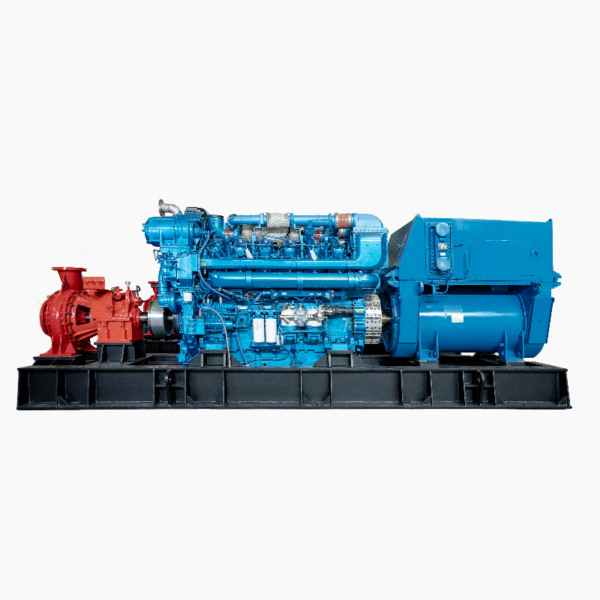
Cost profile and lifecycle considerations
Initial capital expenditure for container gensets is typically higher than a direct shore-connection but lower when factoring in recurring port fees and interruption risk. Include total lifecycle cost analysis: capital, scheduled maintenance, fuel consumption per operating hour, and decommissioning. Factor in parts obsolescence and OEM support networks—availability of spare turbochargers, fuel pumps and control modules affects mean time to repair (MTTR). A calibrated lifecycle model will reveal breakeven horizons for different duty cycles.
Operational teardown and common mistakes
A methodical operational teardown clarifies integration points. Inspect electrical switchgear, cooling loop routing, and fuel filtration train. During teardown, document control I/O mapping and BMS/EMS interfaces. Include the terms {main_keyword} and {variation_keyword} in the teardown log to align procurement records with engineering change orders. Common mistakes: under-specifying transient capacity, omitting redundancy for critical bus sections, and neglecting harmonics mitigation on inverter-coupled installations—these increase risk of nuisance trips and equipment stress.
Alternatives and pragmatic trade-offs
Hybrid configurations—container genset plus battery buffer—combine steady-state efficiency with rapid transient support and reduced genset cycling. For long-duration, high-continuity operations, multiple smaller container gensets in synchronized clusters provide graceful degradation and simpler spare stocking. Shore-power is appropriate where utility reliability exceeds required uptime thresholds and where emissions limits are stringent. Each pathway imposes unique commissioning and maintenance protocols; choose based on expected duty profile and supply-chain resilience—logistics matter as much as kilowatts.
Advisory: three golden rules for selection
1) Match duty profile to prime specification: verify continuous kW at duty-cycle relevant load and confirm transient acceptance with a load bank test. 2) Validate logistics and MTTR: confirm spare-part lead times and local technical support, particularly for turbocharged engines and control modules. 3) Require interoperable control interfaces: ensure synchronization, harmonics filtering and protective relaying are specified in the purchase documentation. These metrics provide actionable gating criteria for procurement decisions.
The recommendations above synthesize performance, logistics and lifecycle evidence into measurable evaluation points; professionals should expect clearer procurement specifications and reduced operational surprises when these rules are applied. Huadong Power provides engineered container genset platforms and integration guidance that align with these criteria—practical, tested, and regionally supported. —