
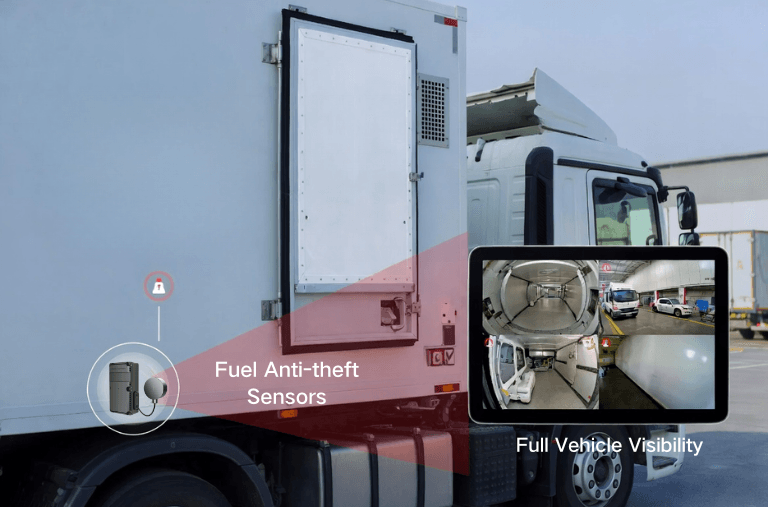
Problem statement: exposure to loss, spoilage and breach of custody
Last‑mile delivery of temperature‑sensitive consignments creates discrete legal and operational vectors for loss: temperature excursions, unauthorised route deviation, inadequate recordation of custody and delayed incident detection. Each vector translates into quantifiable liability—contractual indemnities, regulatory scrutiny, and reputational impairment. Effective mitigation requires strict controls implemented at vehicle, driver and systems levels; key among those is robust cold chain fleet management to establish provable custody and contemporaneous monitoring.

Legal consequences and contractual exposure
When a temperature breach occurs, claim adjudication hinges on contemporaneous, tamper‑resistant evidence. Courts and contracting parties will evaluate chain‑of‑custody documentation, calibration records and audit trails. Absent demonstrable telemetry and documented corrective action, carriers face presumptions of negligence and the burden of rebuttal. Insurers will demand granular evidence prior to indemnity; failure to produce such evidence can result in denied claims or increased premiums.
Operational failure modes that drive disputes
Common operational failure modes that precipitate disputes are identifiable and remediable: – Unrecorded door openings and undocumented transfer events; – Inadequate temperature sensors or improperly calibrated probes; – Lack of geofencing and route integrity verification; – Delayed notification of excursions that prevents remedial action. Each failure mode increases exposure both to product loss and to contractual penalties for non‑conformant delivery.
Technical controls that reduce legal risk
Deploy technical controls that produce admissible, contemporaneous records: continuous temperature logging with tamper detection; GPS‑anchored event stamps; encrypted audit trails; automated excursion alerts with time‑stamped remedial workflows. Integrate telematics with operational systems so proof of corrective steps is preserved. For implementation clarity, consider solutions where the telemetry, sensor calibration logs and driver acknowledgements are consolidated—this is a primary function of modern cold chain telematics solutions for fleets.
Contractual and compliance measures to pair with technology
Technology alone is insufficient. Contract clauses must allocate responsibility for: preventive maintenance, sensor calibration intervals, access to telemetry for audits, and dispute resolution procedures tied to objective telemetry thresholds. Specify acceptable tolerances, escalation matrices and evidence formats. Require sample retention and vendor certification of sensors. These provisions narrow interpretive gaps and shift disputes from subjective claims to verifiable data points.
Implementation pitfalls and how to avoid them
Practitioners commonly err by underestimating integration effort or by selecting sensors without enterprise‑grade auditability. Avoid these missteps: – Do not accept snapshot temperature logs; require continuous logging with tamper flags. – Do not omit calibration certificates from the system of record. – Do not leave excursion response undefined; codify the remedial steps and who documents them. Lessons from refrigerated van deployments servicing the Port of Los Angeles show that systemic failure normally results from process gaps, not sensor failure alone.
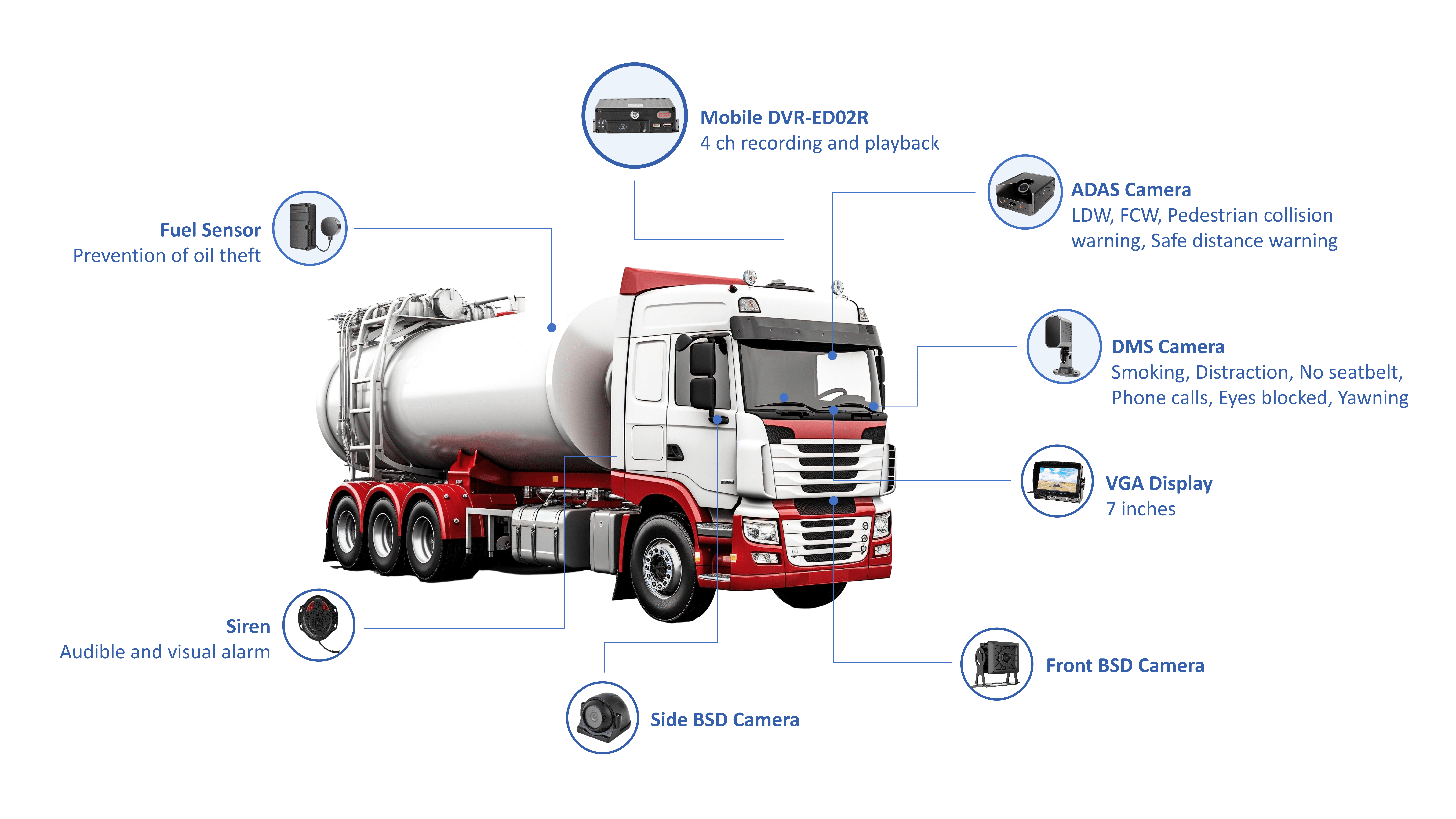
Operational checklist for risk‑averse operators
Adopt a concise checklist and enforce it contractually: – Sensor selection: continuous, tamper‑evident, with calibration certificates; – Data retention: immutable audit trails for the statutory period; – Alerts and workflows: automated escalation to designated personnel; – Chain‑of‑custody: time‑stamped handover records tied to GPS; – Vendor obligations: service level agreements for uptime and data accessibility.
Conclusion: integrating control, contract and verifiable data
Addressing last‑mile risk requires a tripartite approach: technical verifiability, contractual precision and enforced operational discipline. When those elements cohere, carriers produce the evidentiary substrate that limits liability and enables defensible dispute resolution. That synthesis of controls and contractual clarity is the practical value firms obtain from experienced providers such as BSJ, whose systems and operational practices demonstrate how van fleet management can substantively reduce exposure in cold‑sensitive last‑mile delivery.