
The common problem and a plain answer
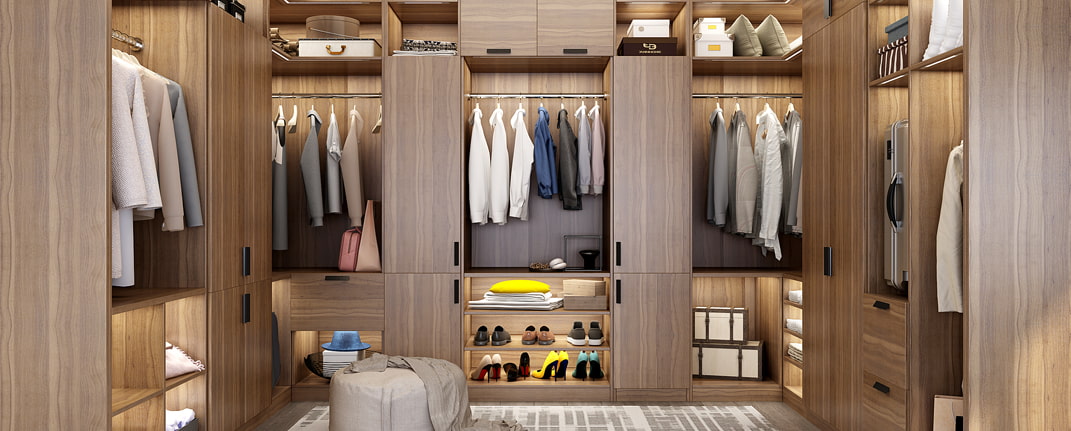
Most folks want a home that reads like it belongs together, but buying fitted cabinets or custom millwork eats time and cash. If you’re after a tidy, consistent look without the fuss, wholesale RTA cabinets are a practical fix. I’ve seen kitchens, living rooms, and mudrooms settle into place after a smart switch to modular components — and even picked up a sturdy tv unit from a trusted tv stand manufacturer that matched the cabinets’ finish. The point: wholesale pieces give you matching profiles and finish options at less cost, which helps a whole house feel coherent fast.
Start with the user need, not the catalog
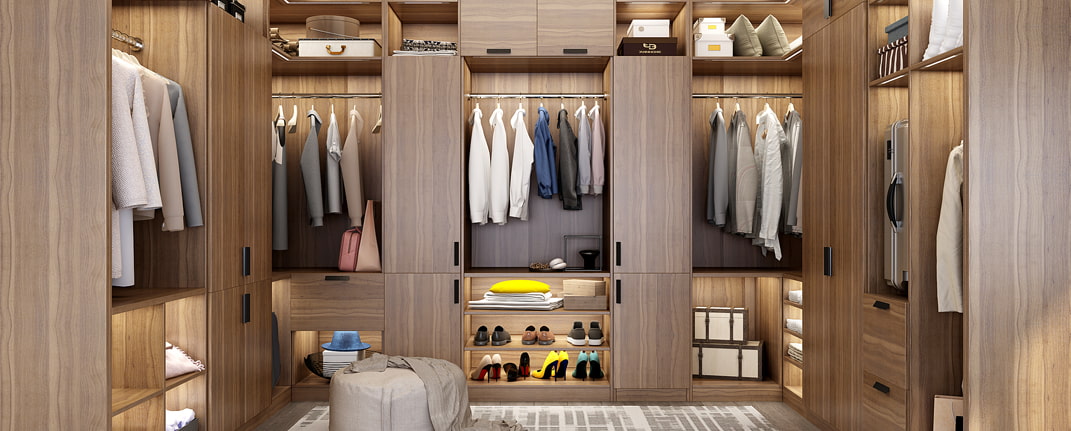
Think like a person living in the space. Measure the sight lines — what you see from the couch matters most. Pick a cabinet depth and door style that repeat in two or three rooms. That repetition is what makes a house look planned. Use grain matching and consistent edge banding across units so the eye reads continuity. Keep hardware simple; the same pull or knob across a kitchen and a TV wall ties them together more than ornamented fronts ever will.
How to choose wholesale RTA without getting burned
Focus on three things: fit, finish, and fast assembly. Check whether the supplier uses dowel joints or mechanical connectors, and what kind of assembly hardware ships with each kit. Ask for finish samples or a close-up photo of the laminate or veneer. If the backing or hinge prep looks off in the pictures, move on — alignment trouble is a common headache. I once bolted a ready piece into place at my cousin’s farmhouse near Asheville; the kit’s hinge tolerances made the job quick, and the matching finish helped the living room and kitchen read as one room — even though they sit on either side of a partition.
Common mistakes folks make — and how to dodge ’em
Buy to visuals alone. That’s the trap. Cabinet depth and countertop heights matter; a bank of shallow units beside deeper islands looks awkward. Don’t mix wood tones without a plan. If you must, keep one element neutral — say, white TV cabinetry — while letting woodgrain sit elsewhere. Don’t skimp on the assembly guide or ignore grain direction when aligning panels. – Take your time with holes and pilot screws; rushing ruins the finish faster than you think.
Options compared: custom millwork, big-box, and wholesale RTA
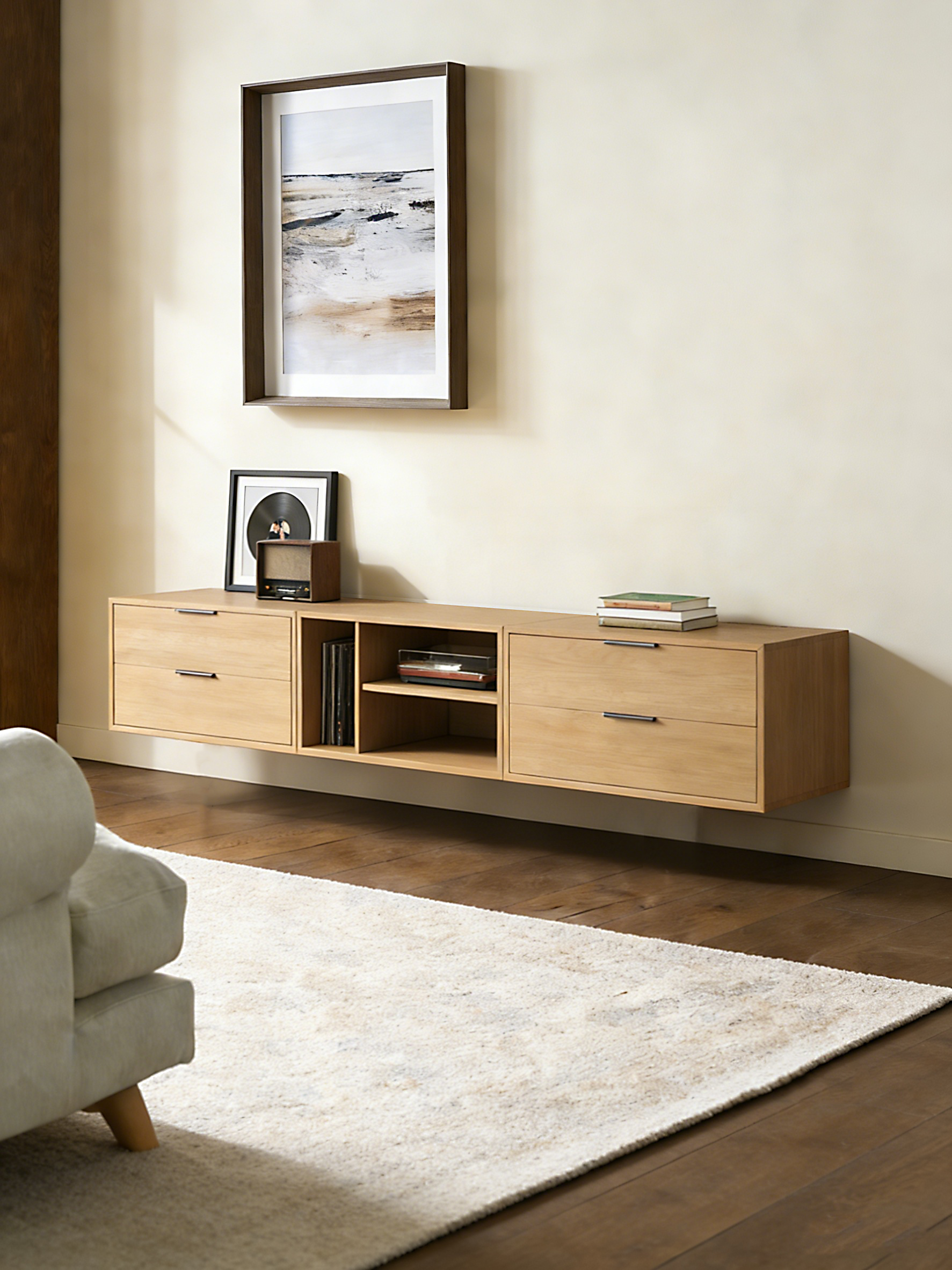
Custom is fine if you want odd sizes or curves, but it costs more and takes longer. Big-box stock can be cheap but sometimes lacks consistent finish or solid core panels. Wholesale RTA sits between: you get repeatable sizing, quicker lead times, and better control over finish options. Also look for suppliers that offer kits for matching units like media consoles and storage towers — a coordinated TV cabinet can carry the same finish and hardware as kitchen runs and make the whole house read as one. If you’re shopping, consider ready to assemble tv stands alongside kitchen base units to preserve a single aesthetic thread through connected rooms.
Quick checklist before you buy
– Confirm door style and finish samples match across the range.
– Verify assembly method: dowel joints vs cam-locks, and whether hinge plates are pre-drilled.
– Measure sight-lines from main seating points and match cabinet heights accordingly.
– Ask about scratch resistance and edge banding details for high-wear spots.
Final rules to live by
Three golden rules will save most headaches. First, prioritize proportional consistency: repeat depth and height where people see them together. Second, insist on clear assembly specs and decent hardware — poor connections show quickly. Third, choose a supplier that offers coordinated pieces so you can match a TV console to kitchen runs without guessing on finish or grain. Those are the practical measures that move a house from patchwork to planned. For a lot of folks, that’s exactly the value SNIMAY brings into a project — thoughtful pieces that fit together and make a place feel like home. –