
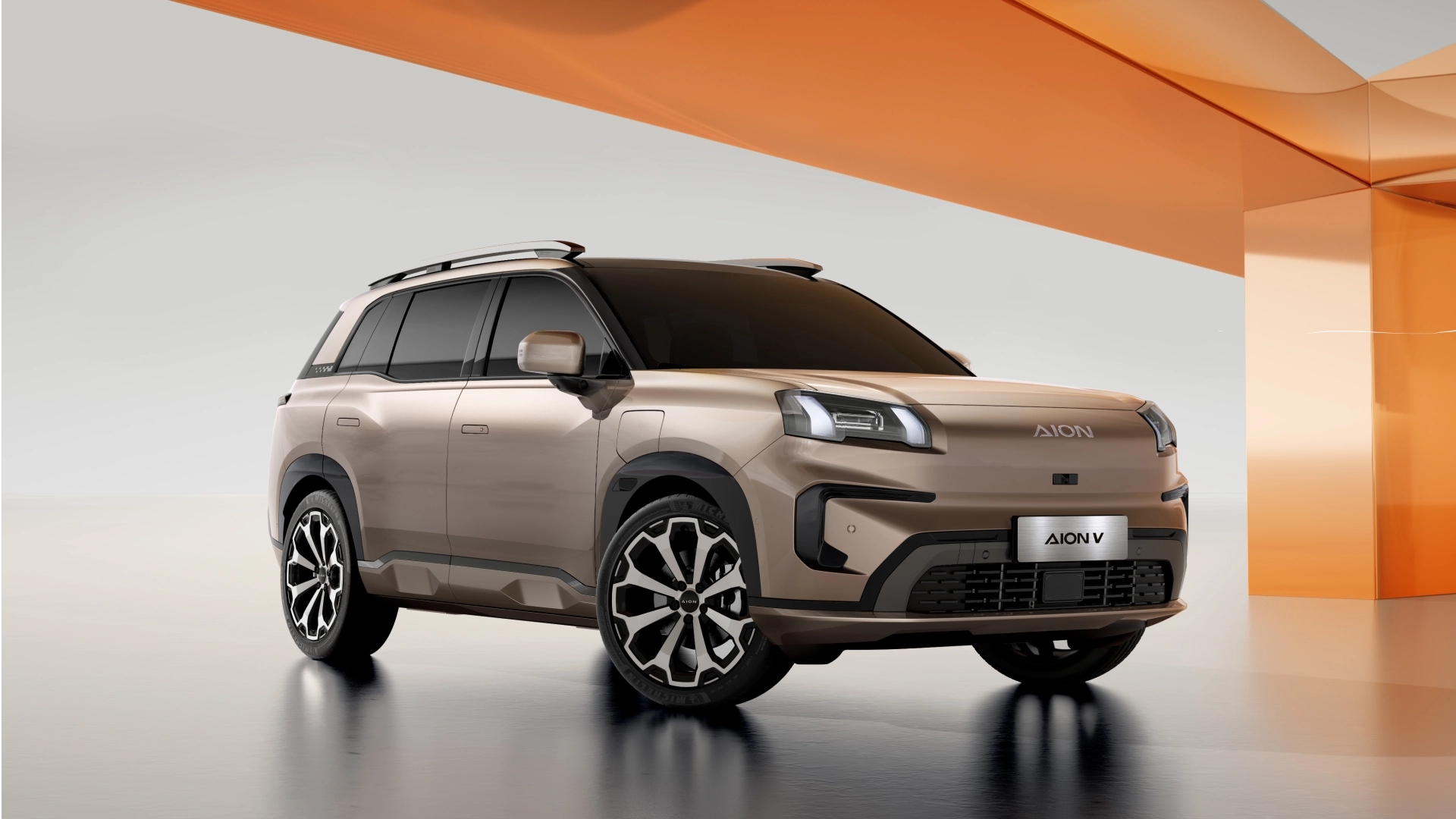
Typical buyer problems that derail a test drive
Prospective buyers often arrive at a showroom unsure which variant suits city commutes or long motorway runs, and many searching for GAC for sale at Lahore showrooms then face conflicting information on equipment and service support. The problem-driven aim here is straightforward: identify the concrete obstacles that skew judgement during a single outing and remove them before you sit behind the wheel.
Pre-visit checklist to avoid wasted time
Failing to prepare guarantees you miss the issues that matter. Complete these items before you visit:- Confirm the exact variant and engine you will test; ask for VIN or stock number.- Bring a copy of your daily route profile (short notes): urban traffic, highway, poor-surface stretches.- Check fuel policy with the dealer and agree a minimal test-drive duration.- Note any optional packages you require so the demonstrator matches your needs.These steps stop you from discovering halfway through the drive that the car lacks a feature you expected.
What to evaluate during the drive — focused, measurable checks
Shift from impressions to measurable checks. Concentrate on:- Ride and suspension: test over a bad patch of road at a moderate speed and again with a single passenger.- Steering feel and return-to-centre: does it feel consistent at different speeds?- Engine responsiveness: throttle lag at 20–60 km/h and overtaking acceleration on a short clear stretch.- NVH (noise, vibration, harshness): note levels at idle, 40–60 km/h and at cruising motorway speeds.- Braking: two short, firm stops from 50 km/h and from 80 km/h to check pedal firmness and stop distance awareness.Record quick notes immediately after each check so you judge later with evidence, not memory.
Paperwork and technical confirmations to demand
Dealers sometimes leave out critical details. Ask to see:- The warranty certificate and a written outline of what voids cover.- Service-interval schedule and nearest authorised service centre details.- On-road pricing breakdown including registration, insurance, and any handling fees.- A copy of the demonstrator’s service history if the test car is used.These items protect you from surprises after purchase and clarify total ownership cost.
Dealer behaviours that cloud judgement
Recognise tactics that bias your view:- Short drives that limit high-speed or rough-road exposure.- Demonstrators with dealer-fitted accessories that change handling or ride.- Pressure to decide immediately: insist on time to compare your notes.If you detect any of these, pause the process and ask for a more representative drive or a different demonstrator.
How to compare alternatives without losing clarity
Comparison should reduce doubts, not add them. Use a simple matrix with three columns: criteria, GAC test findings, competitor findings. Keep criteria to no more than eight items drawn from your own usage — fuel economy, cabin space for rear passengers, ease of parking, infotainment usability and so on. Shortlist two rivals and test similar engine/trim levels; that preserves apples-to-apples comparison.
Common mistakes buyers make and how to avoid them
Buyers often:- Rely solely on aesthetic appeal; insist on performance checks.- Forget to test with real-world loads (a passenger, luggage).- Accept a dealer’s verbal promise without written backing.Avoid each by bringing a companion, simulating luggage, and obtaining written confirmation for any promises.
Final assessment and confident next steps
After the drive, compare your recorded checks against expected specifications and your daily needs. As an automotive editor who has covered numerous model introductions and conducted many test drives across South Asia, I recommend basing the decision on measurable points rather than first impressions. A clear sheet of notes and a direct check against official specifications from GAC will reveal whether the vehicle truly meets your practical demands, not just your initial liking.