
A Tale of Two Choices
I stand at a fork in a moonlit factory, comparing the slow, deliberate craft of external battery pack assembly suppliers to the humming constellations of an in-house production line; this is a Comparative Insight drawn from practical encounters with automotive automation and the faint scent of solder. My aim is simple: help a manufacturer choose based on clear trade-offs, not slogans or vague promises.
Core Differences at a Glance
Think of the choice as a map of trade-offs. The main differences show up in a few concrete dimensions:- Control versus flexibility: suppliers offer flexible capacity without heavy capital; lines give you full process control and repeatability.- Capital and lead time: building a production line requires upfront CAPEX and months of commissioning; contracting a supplier shifts lead time into purchase cycles.- Quality assurance locus: suppliers must be audited and specified; an on-site line lets you bake test points into every cycle.- Scale sensitivity: small-to-medium batches often favor suppliers; large-volume steady runs favor in-house lines.- Risk distribution: suppliers move certain risks off your balance sheet but create dependency risks downstream.
When Suppliers Shine
I’ve advised projects where suppliers were the correct choice. Use suppliers when you need:- Rapid ramp-up for pilot programs or variable volumes.- Access to a supplier’s specialty tooling or niche expertise without buying machines.- Geographic agility, letting you follow demand or local incentives without moving factories.Suppliers reduce fixed costs and let design teams iterate quickly. Demand tight SLAs, clear test protocols, and sample audits; insist on traceability for cells, welds, and software versions.
When Your Production Line Wins
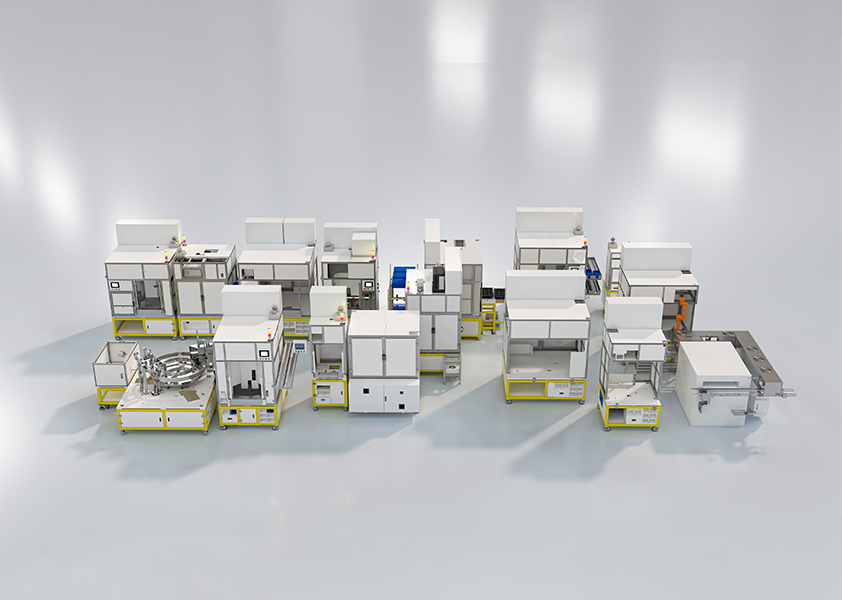
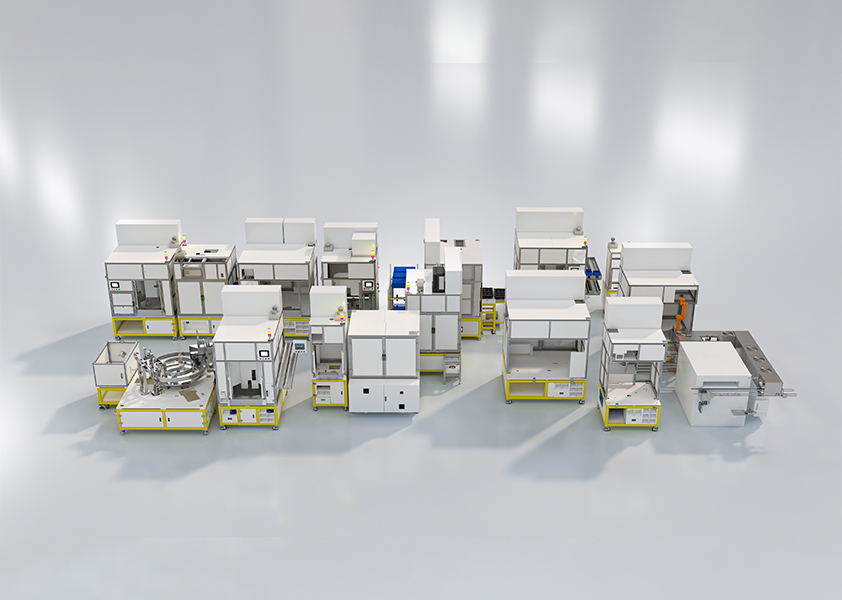
Make a production line when you require:- Micron-level process control and proprietary assembly methods.- Long-term per-unit cost reduction and tighter IP protection.- Integrated end-of-line testing, fault isolation, and firmware flashing under your roof.A dedicated line shortens feedback loops between design and manufacture. Expect longer planning, rigorous validation, and a steady hand on process control charts.

Integration, Automation, and the Real-World Anchor
Automation matters for both paths; it’s the thread that turns repeatable tasks into stable yields. I once reviewed integration plans in the Stuttgart region where OEMs demanded inline vision, robotics, and traceability that matched their quality gates. Whether you partner or build, specify:- Clear handover points with data exchange formats (part IDs, test logs).- Inline inspection tied to rejection logic—no ambiguous failures.- Maintenance windows and spare parts lists to avoid downtime.For partners or in-house systems, consider proven automation solution for automotive industry modules that already speak common shop-floor languages; they reduce integration time and make audits simpler.
Practical Decision Map
Answer four direct questions to steer the decision:- Is your volume steady and large enough to amortize CAPEX within target years?- Do you need absolute control over IP, cell sourcing, or test procedures?- Can you afford longer lead time and commissioning cycles?- Will supplier dependence introduce unacceptable single points of failure?If most answers point to control, the line is likely right. If agility and lower fixed cost matter, lean on suppliers—but demand contractual clarity and auditability.
Final Accord
Compare costs, risk, and operational rhythm with equal weight; choose the path that matches the product’s life and the company’s tolerance for fixed investment. I’ve seen both routes produce exceptional, safe battery packs when chosen to fit strategy and executed with discipline. Partners that help translate requirements into repeatable processes, and systems that report real-time health without mystery, become the quiet allies of success—true value that companies like FHS often weave into long-term results.