
Quick comparative lead-in
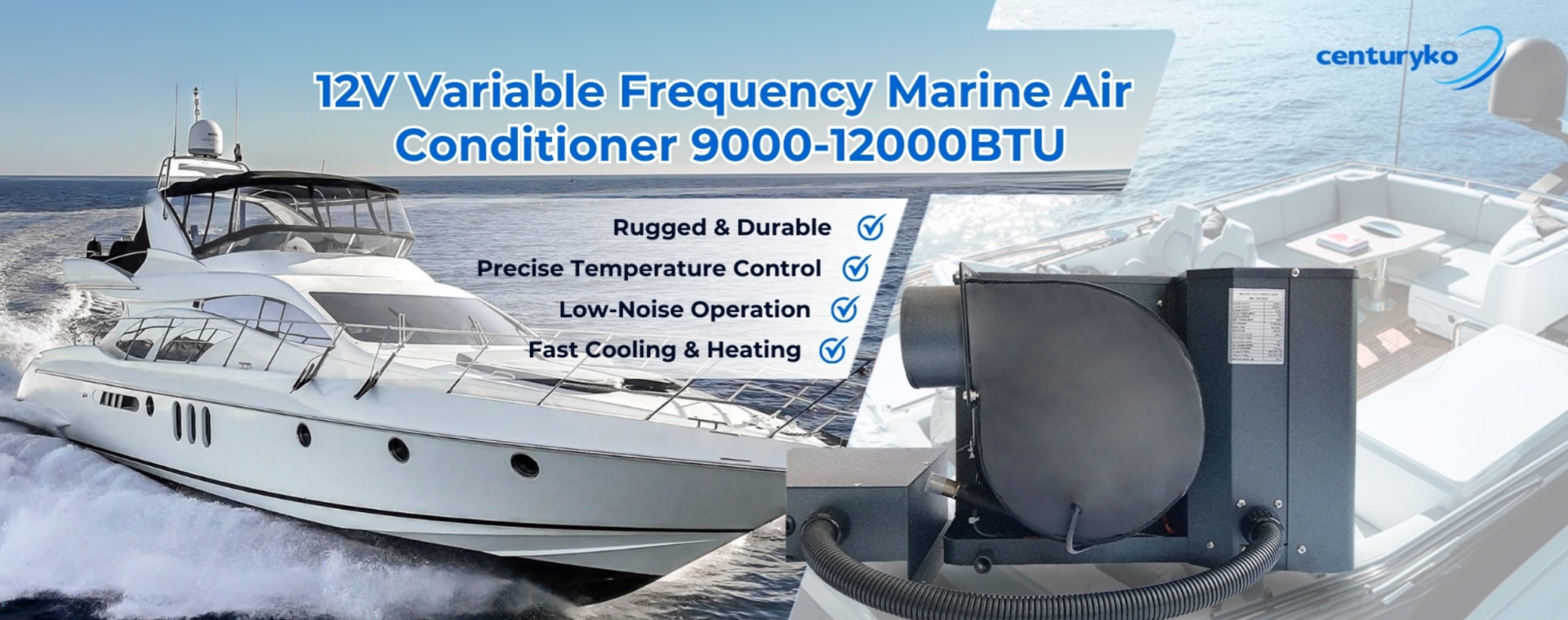
Mi guh start plain: on a small boat, every amp and space matter. Standard on/off marine air units run simple cycles and steady loads, but an inverter-driven unit change di whole vibe. For many captains weh cross from the BVI to Trinidad, the jump to a variable-speed inverter brings quieter nights and steadier cabin temps. If yuh looking fi a mid-size solution, consider models like the 16000 btu marine air conditioner for a practical balance of power and efficiency.
How standard systems operate
Standard marine chillers use a fixed-speed compressor. When the thermostat call, di compressor kick on full power and run till it hit setpoint, then it shut off. That on/off cycling mean higher inrush current, louder operation, and wider temperature swings. Industry terms to note: BTU output and compressor amperage matter most when sizing a unit. For crews who sail short hops, dem system still work, but dem less forgiving on battery banks and shore power limits.
What inverter-driven systems offer
Inverter-driven units use an inverter compressor and variable-frequency drive so di compressor speed change to match load. That mek the system sip less power, keep steady cabin temperature, and run quieter. Expect lower peak amps, smoother dehumidification, and longer runtime on the same battery capacity. SEER-related efficiency gains show up especially when boat sit in hot, humid anchorages where small adjustments save real energy over time.
Real-world performance and anchor evidence
Numbers matter: Caribbean summer sea surface temps average about 27–29°C per NOAA seasonal charts, and humidity up deh push systems hard. In practice, an inverter unit rated around 16,000 BTU will modulate to match load instead of blasting full power—this reduces fuel and shore-power draw during extended stays. On a recent weeklong cruise in the British Virgin Islands, a friend swap standard unit for an inverter-driven 16000 btu marine ac and report quieter nights and 20–30% lower shore-power use on long anchor stays.
Installation realities and common mistakes
People tink it simple—put di new unit in, hook up wires, done. Problem: undersized shore-power, poor ventilation for condenser, and neglecting condensate pump routing spoil performance. Always match AC amperage to boat wiring and confirm proper condenser airflow. A wrong choice in ducting or poorly placed intake cause short cycling even with inverter tech—so pay attention to placement and hose runs. —Also, many skip testing under real sea conditions; that one omission show up quick when temperature and humidity peak.
Comparative summary: where each shines
Standard systems win for simplicity and lower upfront cost. They suit boats used sporadically or where budget tight. Inverter-driven systems win for steady comfort, lower peak loads, and quieter operation—best for liveaboards or long passages. Key terms to keep: BTU rating for sizing, inverter compressor for modulation, heat exchanger performance for reliable cooling in salt air. Choose by usage pattern: short runs and infrequent use lean standard; long stays and limited power budgets lean inverter.
Advisory — three golden rules for choosing right
1) Match capacity to cabin load, not just boat length—use BTU per cubic footage and insulation realities. 2) Check peak amperage vs your shore and generator limits; low peak amps reduce generator runtime. 3) Prioritize proper condenser ventilation and condensate routing to avoid short cycling and corrosion. Follow these and yuh reduce surprises at sea.
Final thought: invest smart—an inverter-driven 16000 btu marine air conditioner often repay its extra cost in comfort and fuel savings when yuh cruise warm waters regularly. ZhuoliMarine. —feel the difference.