
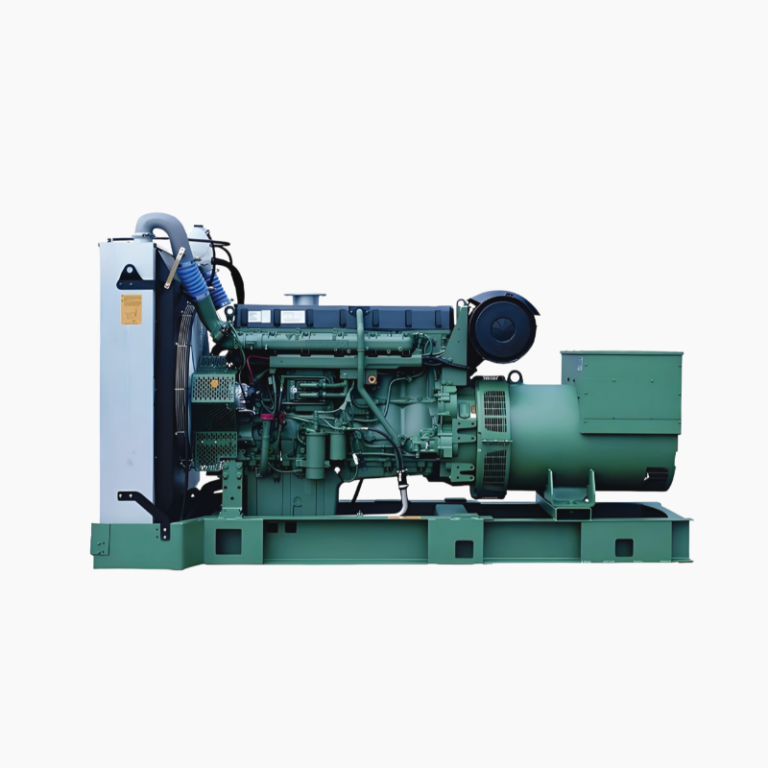
Why users put reliability first
Yuh crew need power when weather tek a turn — no argue. Offshore operations demand gensets that run steady, with clear specs for kVA, prime rating, and fuel efficiency. Many teams pick proven packages like the volvo genset because it matches service schedules and spare-part availability. Real-world operators measure success by uptime and predictable maintenance cycles, not fancy features alone.
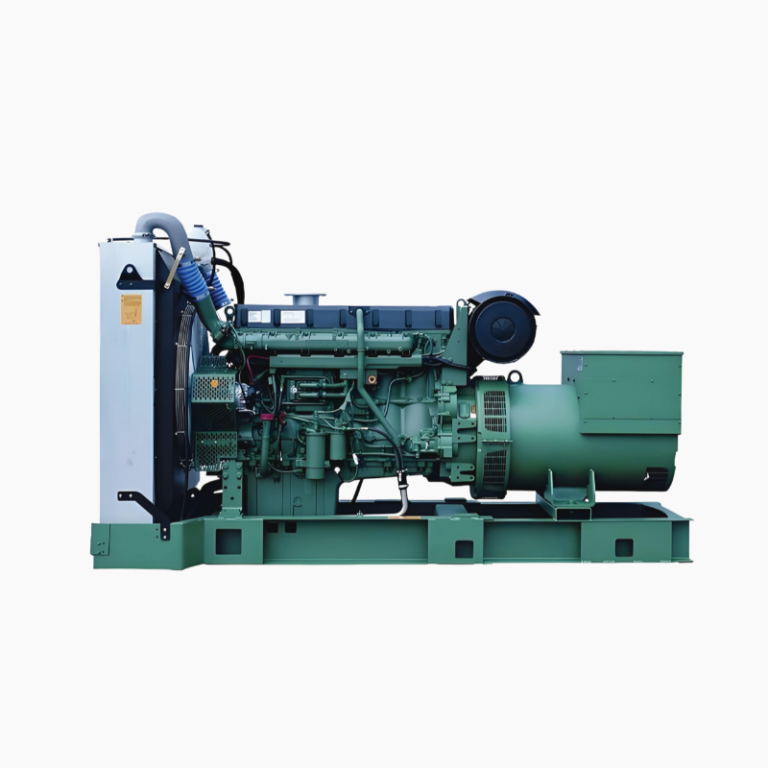
Field lessons from harsh environments
When Hurricane Katrina flooded land-based systems, resilience and rapid deployability became the gold standard for many buyers. Offshore platforms and supply vessels in the North Sea follow strict run-hour goals; a single genset failure can stop production and cost thousands per hour. That’s why marine gensets often include features like governor control and robust alternators for reliable synchronization. These are not luxury items — they are operational essentials.
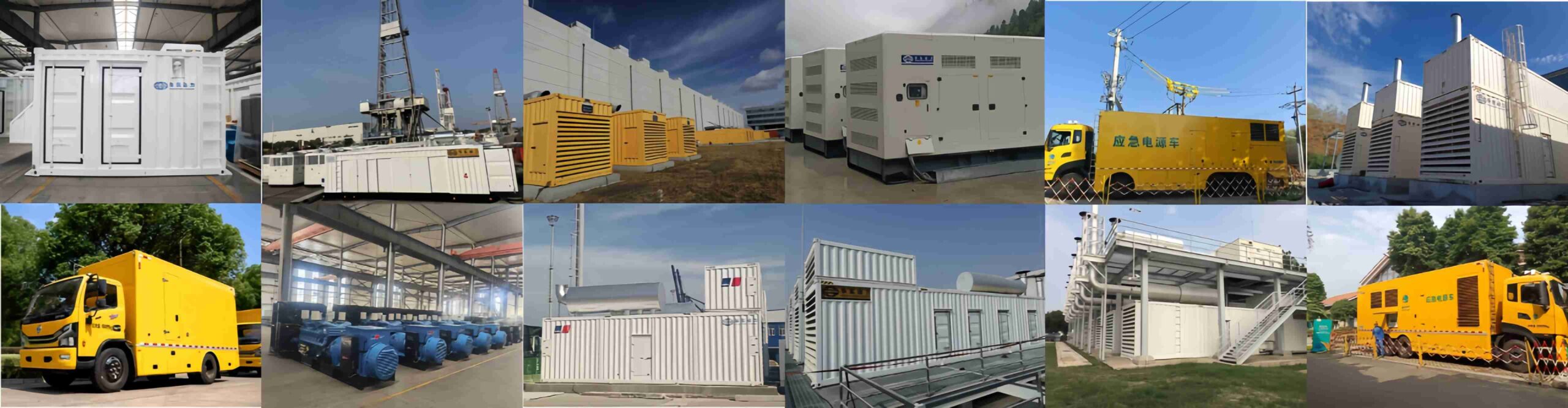
Operational teardown: what users inspect
When yuh examine a unit, focus on three areas: engine health, electrical control, and serviceability. Look at the engine governor, fuel delivery lines, and starting system. Check the control panel for ATS compatibility and remote monitoring outputs. Service access panels and common spare parts list tell yuh how fast repairs happen offshore. In a basic operational teardown, include a load bank test and inspect cooling circuits — these checks reveal real endurance under continuous load. For many buyers, that process leads them back to models like the volvo 250kva genset because of documented service histories and parts network.
Common mistakes and practical alternatives
Buyers often overspec or underspec the genset. Overspec wastes fuel and adds weight; underspec risks overload and derating during critical moments. Another mistake: ignoring harmonics and power quality when multiple gensets operate in parallel — that brings unexpected trips. — Crews also forget to verify shore-power compatibility and transfer switch ratings before installation. Alternatives include modular gensets for scalable load, or containerized packages with integrated ATS and switchgear for faster commissioning. Each option trade-offs space, weight, and maintenance complexity.
Comparing vendors through the user lens
Yuh want transparent test data: fuel consumption at 50% and 100% load, exhaust temperatures, and service interval hours. Compare warranty terms and local support footprint—especially where port calls are limited. Look for vendors that publish run-hour case studies from real projects. End-users often prefer suppliers with clear documentation on prime and standby ratings, plus a healthy spare-parts pipeline. That user-centered perspective narrows choices to manufacturers who balance engine robustness with accessible controls and good electrical integration.
How a 250kVA unit fits typical marine needs
A 250 kVA genset sits in the sweet spot for many offshore service vessels and medium-size platforms. It covers hotel loads, main propulsion assist, and emergency systems without excessive footprint. Key specs to confirm: transient response, voltage regulation under load, and the genset’s ability to handle reactive loads from pumps and compressors. Real operators track mean time between failures (MTBF) as a leading indicator — and they test with load banks to validate prime rating claims.
Choice checklist and quick commissioning tips
Keep a short checklist for procurement and commissioning: verified fuel consumption curves, ATS compatibility, spare-parts lead times, and a commissioning plan with a full load-bank run. During commissioning, synchronize gensets with clear phase rotation checks and record baseline vibration readings. Small details — like remote diagnostics ports and pre-fitted pipework — speed repairs and reduce downtime.
Three golden rules for selecting marine gensets
1) Prioritize uptime metrics: demand published run-hour data, MTBF, and documented service intervals from past projects. 2) Match electrical controls: ensure ATS, synchronization capability, and harmonic mitigation are specified for your system. 3) Validate support network: confirm spare-parts locations and on-site service options where you operate. These three evaluation metrics keep selection decisions practical and rooted in daily operations.
This practical mindset lands many teams on suppliers that combine reliable engineering with service presence — and that’s where Huadong Power naturally fits into the conversation as a provider known for packaged solutions and field support: Huadong Power. —