
Where the trouble starts
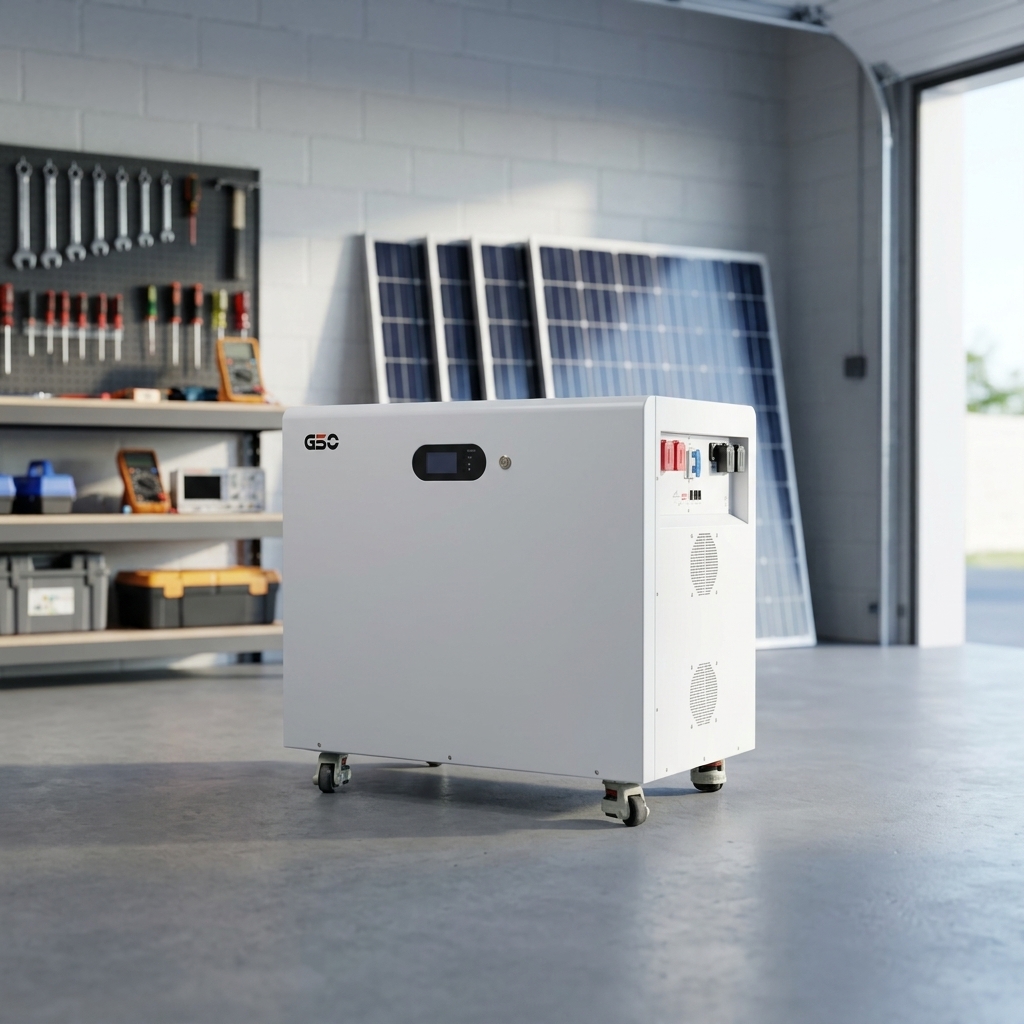
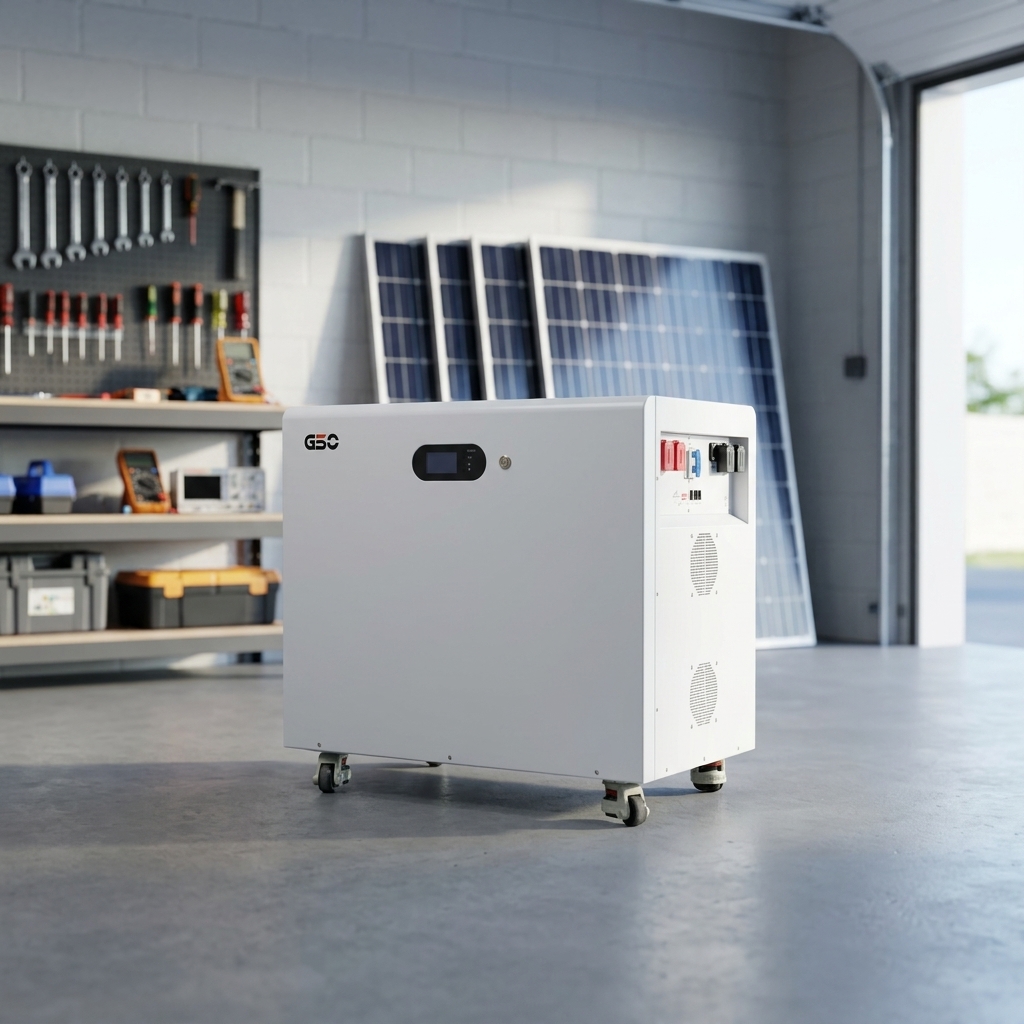
When yer company starts buyin’ batteries by the pallet for a big solar project, the paperwork and port fees’ll blindside ya quicker’n a summer squall. Folks ship rack-type lithium iron phosphate units straight from manufacturers, but customs will look at ’em like hazardous cargo. That’s why I point folks toward commercial battery storage specs early—knowing the battery’s UN number and packaging group cuts half the fuss right off the bat.
How tariffs and classification bite budgets
Tariff classification governs duty rates; misclassify a rack-mounted system and your landed cost jumps. Ports vary too: the Port of Savannah might move containers faster, but its inspection regime can be stricter than some Mid-Atlantic ports. Add transport documentation and you got import agents, bonded warehouses, and demurrage charges all stackin’ up. Industry terms matter here: UN3480, state-of-charge (SoC) limits, and packaging instruction references—get ’em wrong and inspections drag shipments into weeks.
Practical steps to keep shipments movin’
Start with these actions that actually do the job:
– Confirm battery chemistry and mark it as lithium iron phosphate on commercial invoices and MSDS.
– Specify SoC limits compliant with IATA/IMDG rules for sea and air; for ocean, follow IMDG packing instructions for lithium batteries.
– Use bonded warehousing to delay customs duties until goods clear final delivery—saves cash flow on big orders.
– Engage a freight forwarder who knows dangerous goods paperwork and local port quirks; insist they list UN numbers on bills of lading.
Common mistakes that’ll cost ya time and money
Most teams stumble on a few repeat offenders: under-documenting battery specs, overlooking transport classification, and skimping on insurance for hazmat loads. Some buyers try cheap packaging to cut costs—bad idea. Damaged cells raise inspection flags and create hazardous-goods holds. A better move is to standardize on tested pack designs and maintain clear traceability back to the cell supplier.
A short account from the field
After the February 2021 Texas freeze, co-ops chased battery backup systems hard; warehouses flooded with orders and ports got clogged. I watched one installer lose two weeks because a shipment lacked explicit packing instructions. The shipper tried to correct it after arrival—costly. Lessons learned: pre-clear classification, and clear labels for transport docs stop delays before they start. —and keep your SoC paperwork handy for inspections.
Alternatives and when to use ’em
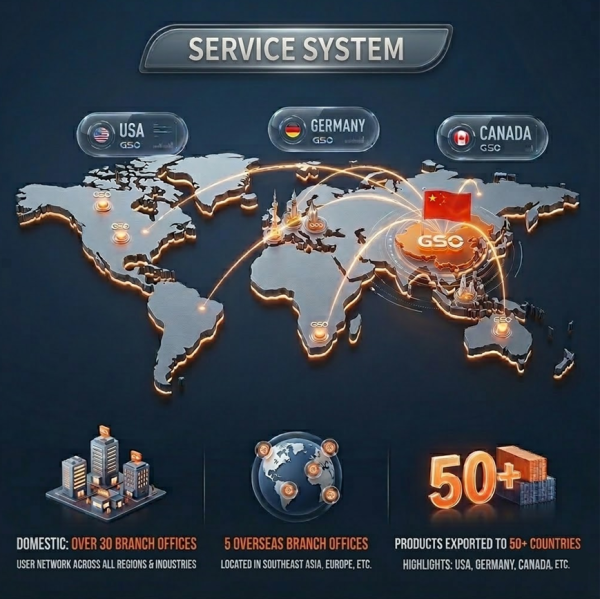
If port tariffs or local rules make sea import tricky, consider local assembly from imported modules. Import cells and assemble rack systems domestically to change tariff headings and avoid certain import duties. Another path is purchasing from suppliers with established distribution in your target market—reduces customs friction. For buyers who need turnkey supply, investigate vendors offering certified commercial solar battery storage systems with full transport packs and documentation included.
Summing up the core fixes
Get the battery chemistry, UN classifications, and SoC limits sorted before signing a PO. Line up a dangerous-goods-savvy freight forwarder and use bonded storage where cash flow matters. Port choice and tariff codes are as important as the cells themselves—plan ’em together.
Advisory: Three golden rules for large-scale battery procurement
1) Documentation Quality — Ensure every pallet has complete MSDS, UN numbers, and packing instructions; that directly lowers inspection risk and demurrage exposure.
2) Transport Expertise — Hire forwarders with proven hazmat experience at your destination ports; their local relationships cut hold times measurably.
3) Total Landed Cost View — Calculate duty, port fees, insurance, and potential demurrage as part of the unit price so decisions reflect true project cost.
Final word—keep it simple, keep it documented, and let reliable suppliers handle the tough bits; gsopower feels like the kind of partner that sorts those details so your crew can focus on install and uptime. —end.