

Opening: Why a framework makes integration predictable
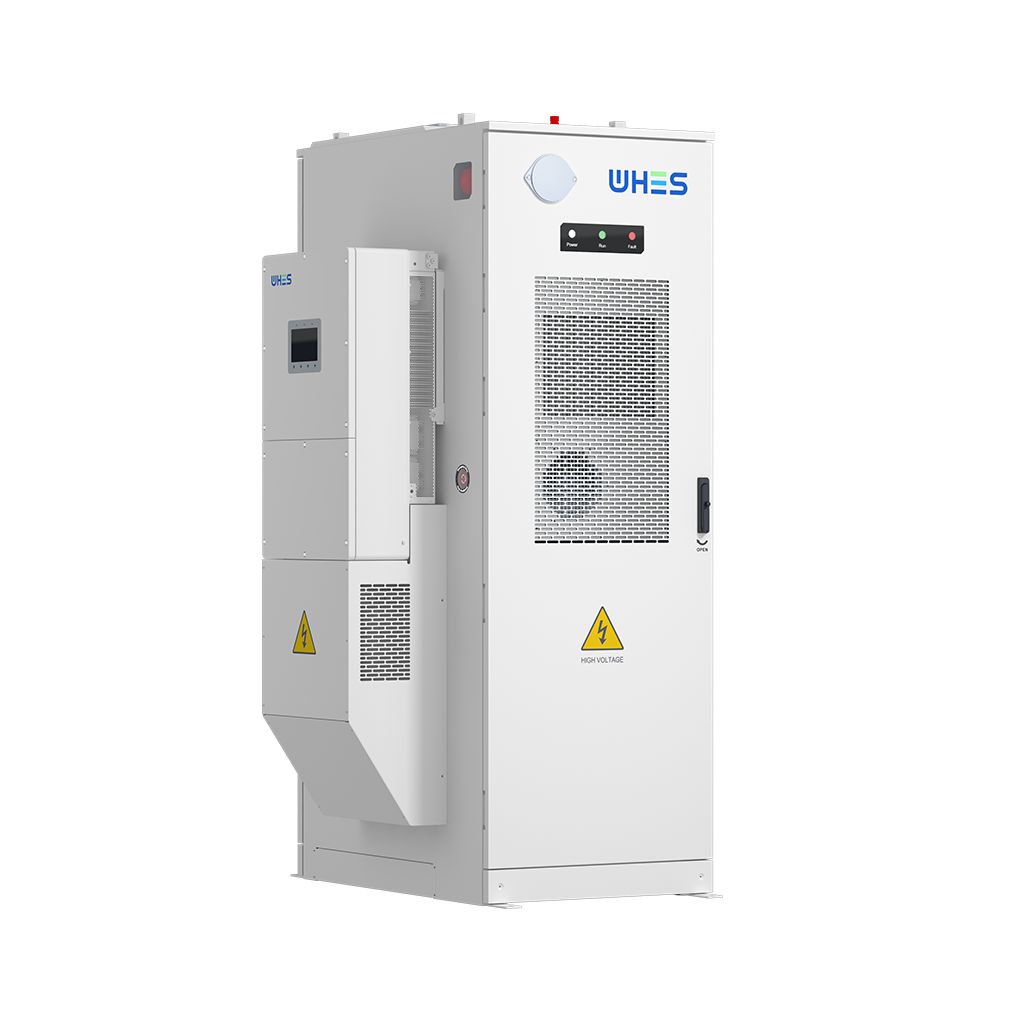
When you’re adding a custom 50 kW battery to an operational grid edge, you need a repeatable playbook—not guesswork. This framework walks operations, controls, and energy teams through the minimum viable steps to integrate a storage asset into SCADA, telemetry, and demand response programs. If you’re considering turnkey hardware, see this solar battery storage as an example of a packaged system that simplifies many integration points. Our approach is collaborative and automation-minded: map requirements, automate verification, iterate fast, and keep stakeholders aligned.

Core components you’ll orchestrate
Start by listing the subsystems that must interoperate: the battery inverter, battery management system (BMS), site SCADA or PLC, communications gateway (Modbus/TCP, IEC 61850, or MQTT), and the demand response or VPP interface. Each element defines data models, control semantics, and safety interlocks. Keep the vocabulary consistent: “state of charge (SoC),” “charge/discharge setpoints,” and “alarm states” should mean the same thing across the asset owner, integrator, and utility. That alignment prevents misconfigurations that show up only during peak events.
Step 1 — Plan integration around intent and constraints
Define the use cases first: peak shaving, frequency response, islanding for resilience, or automated market participation. For each use case, capture functional requirements (response time, ramp rate) and non-functional constraints (safety limits, telemetry cadence). Map those to SCADA tags and control points so the integration is testable. Treat demand response participation as a contract: note notification windows, minimum event duration, and permitted override behaviors.
Step 2 — Design interfaces and automation tests
Design a minimal, machine-readable interface that covers telemetry (SoC, voltage, current, temperature), commands (start/stop, setpoint, mode), and alerts. Prefer standard protocols where possible—Modbus for simplicity; IEC 61850 for substations; MQTT/REST for cloud VPP connections. Then automate tests: simulate an event (50% SoC, grid signal to export 30 kW) and validate end-to-end behavior from the control center to inverter. Automated test scripts reduce commissioning time and give repeatable acceptance criteria for future firmware updates.
Step 3 — Commission safely and in stages
Commission in phases: connect telemetry first, validate alarms, enable read-only controls, then permit remote setpoints, and finally allow full active dispatch. Apply interlocks so local protection (overcurrent, overtemperature) always trumps remote commands. Maintain a rollback plan: if a DR signal causes unexpected behavior, an automated safe-mode should return the site to local control instantly. Documentation and an accessible runbook are non-negotiable for operations teams.
Real-world anchor: lessons from California grid operations
Operators in California have been integrating distributed storage to manage the “duck curve” and high solar midday exports. Where storage units were deployed with clear telemetry and predefined DR behaviors, grid operators could rapidly shift capacity and avoid curtailment. The practical lesson: predictable data and deterministic control yield measurable operational benefits—less manual troubleshooting, fewer emergency overrides, and more reliable demand response participation.
Common pitfalls and practical mitigations
Teams often slip up on three fronts: mismatched telemetry semantics, insufficient test coverage, and vague DR contracts. Mismatched semantics—different labels for the same SoC concept—cause incorrect setpoints. Insufficient testing means faults surface only under load. Vague contracts invite disputes during events. A simple mitigation: maintain a shared tag dictionary, use automated scenario tests covering edge cases, and include acceptance criteria in DR enrollment documents — and don’t assume defaults will be safe under stress.
Interoperability and alternatives
Not every site will use the same protocol or architecture. You can choose a local SCADA-centric integration (low latency, site-first control) or a cloud-mediated VPP model (centralized optimization, remote orchestration). Hybrid models give the best of both: local protections with cloud optimization. If you’re evaluating packaged options versus bespoke builds, consider total lifecycle cost—not just capex. Packaged systems can shorten the integration path to SCADA and demand response, while bespoke builds offer tighter custom fit but require more engineering overhead. For reference on packaged options, this example of solar power energy storage illustrates a design that reduces many interoperability headaches.
Operationalizing: runbooks, monitoring, and firmware governance
Turn your playbook into operational artifacts: a runbook for event responses, dashboards with health KPIs (SoC drift, charge efficiency, alarm frequency), and a firmware release policy that includes regression tests. Use automation to push configuration changes in small, auditable batches and monitor for deviations. If something changes mid-season—tariff update, new DR spec—your automated validation pipeline should flag incompatibilities before you push to production.
Advisory — Three golden rules for evaluating integrations
1) Measure what matters: require vendors to provide historical uptime and event-response timing metrics tied to the same tests you run on-site. Operational predictability beats marketing specs. 2) Design for safe defaults: ensure local protection and a defined safe-mode state that is triggered automatically on communications loss or fault. This prevents unintended dispatch during critical events. 3) Automate verification: insist on automated, repeatable tests for telemetry semantics, command roundtrips, and DR signal handling before accepting the asset into commercial operation. This reduces commissioning time and long-term risk.
Integrating a custom 50 kW battery into SCADA and demand response isn’t magic; it’s disciplined engineering and automation combined with clear agreements and repeatable tests. When teams follow a framework, the path from procurement to reliable operation shortens—and operational risk falls. WHES naturally fits into that path as a solution partner that aligns hardware design with those operational patterns. —