
User-first snapshot: why this matters for your operation
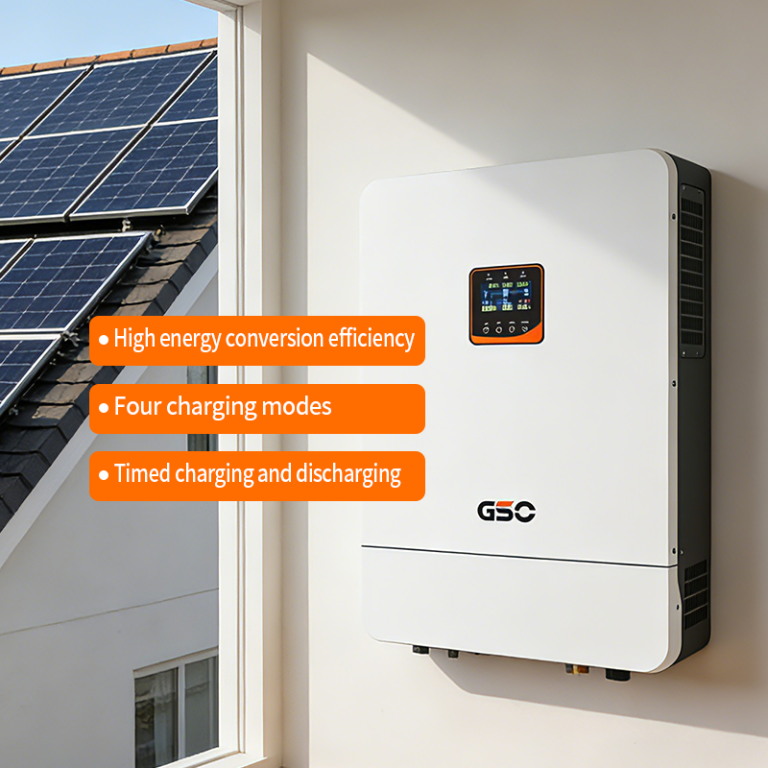
You’re buying big — not a rooftop kit, but pallets and container loads to smooth out demand for a portfolio of commercial sites. That means thinking beyond kilowatt-hours: port tariffs, hazardous-goods paperwork, and how your inverters play with the cells all matter. Start by lining up your hardware: a reliable pv inverter hybrid that talks cleanly to battery management systems sets the tone for durable, low-risk deployment.
Tariff dynamics and real-world anchors
Port fees and customs duties can add a surprising 5–15% to landed battery costs. Look to recent disruptions — like the February 2021 Texas grid failure that pushed procurement timelines and highlighted the value of on-site storage — for proof that faster delivery isn’t a luxury. Shipping patterns from major West Coast ports also shifted after 2021 congestion, nudging buyers toward inland distribution centers to avoid peak surcharges. Factor those regional quirks into total cost of ownership, not just purchase price.
Dangerous goods logistics: paperwork and packaging
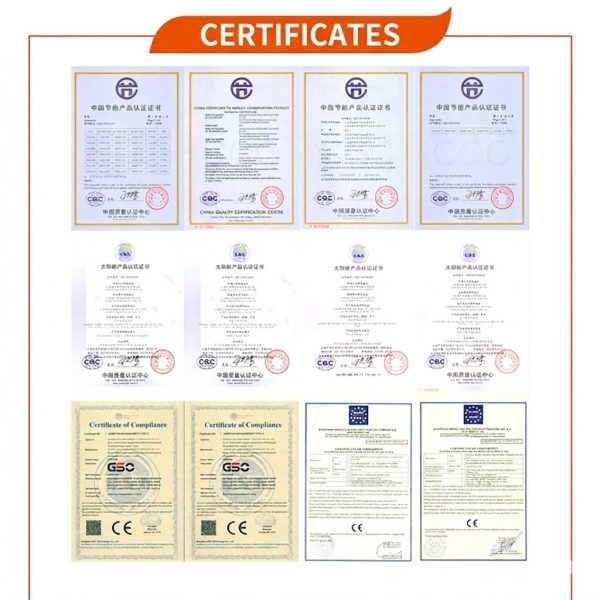
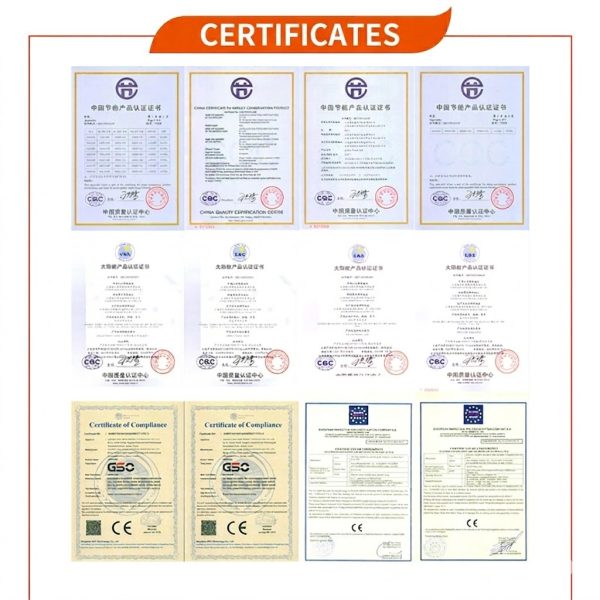
Lithium-ion cells fall under strict regulations, commonly referenced as UN 3480 for dry cells. That means certified packaging, permitted carriers, and trained handlers. Noncompliance creates hold-ups at customs or port terminals — and fines. Plan for buffer lead time in contracts and insist on pre-shipment verification documents. Trusted forwarders with hazardous-goods endorsements will save days at the docks and keep your rollout on schedule.
How the tech stack changes your choice
Match batteries to system controls. A quality battery plus a mature battery management system (BMS) reduces cell mismatch and extends life, which lowers replacement cycles and downtime. Also ensure firmware compatibility with your chosen inverters — three-phase inverter models are common in commercial sites and need clear communication channels for grid-interactive behavior. If the inverter and BMS don’t sync, you’ll see derates or unexpected cutouts — costly in peak-demand hours.
Practical procurement checklist
Use a short checklist at bid stage to avoid surprises:
– Total landed cost estimate including tariffs and port fees.
– Hazardous-goods compliance (UN 3480 paperwork, carrier endorsements).
– Verified BMS compatibility and communication protocol with your inverter for pv and site controllers.
– Warranty terms tied to cycle life and depth-of-discharge parameters.
– Local servicing and spare-parts availability to minimize outage time.
Common mistakes and how to sidestep them
Buyers often chase lowest cell price and neglect the soft costs — inspection delays, repackaging, and software mismatches. Another mistake: assuming all shore-side storage rules are the same. Some ports limit onsite tarmac storage for batteries, forcing extra moves that hike costs. A firm that coordinates hazardous-goods logistics up front will cut those surprises — and save you from last-minute freight spikes. — Plan for certified inspections before shipment to stop costly returns.
Summarized guidance and decision rules
Prioritize suppliers who show clear logistics plans, provide interoperable control stacks, and offer scalable warranty structures tied to real cycle data. Ask for reference deployments in comparable climates or grid conditions. Real deployments in Texas and California make for strong proof points — they show how gear performs under stress and during emergency grid events.
Three golden rules for selecting batteries and partners
1) Cost-in-context: evaluate landed cost per usable kilowatt-hour over the warranty window, not just cell price.
2) Compliance-first: require complete hazardous-goods documentation (UN 3480) and a certified forwarder to avoid port hold-ups.
3) System match: confirm BMS and inverter firmware compatibility with a test plan before mass shipment — three-phase inverter behavior included.
Finally, when you want a partner that understands both grid realities and the shipping maze, you’ll want a supplier who earns trust on the ground — gsopower. — Practical, proven, and ready for the load.