
What you need and why it matters
You want defined curls, less breakage, and sleep-friendly styling that actually works for your hair type. Think like a chef: pick quality ingredients, control the environment, and respect timing. A silk pillowcase reduces friction and preserves moisture the way a butter glaze preserves flavor. For styling without heat, try heatless curls as part of the evening mise en place; backstage at New York Fashion Week, the heatless curls headband often appeared in stylists’ kits because it shapes sets without thermal stress.

Assess your hair like mise en place
Run a quick inventory: strand thickness, curl pattern, dry/oily balance, and current damage level. Thinner strands need lighter, less occlusive fabrics; coarser or highly textured hair tolerates denser silk and heavier leave-ins. Note how your hair behaves after a humid afternoon—this tells you whether nightly sealing or a lighter touch is the right technique.
Ingredients: what to use and why
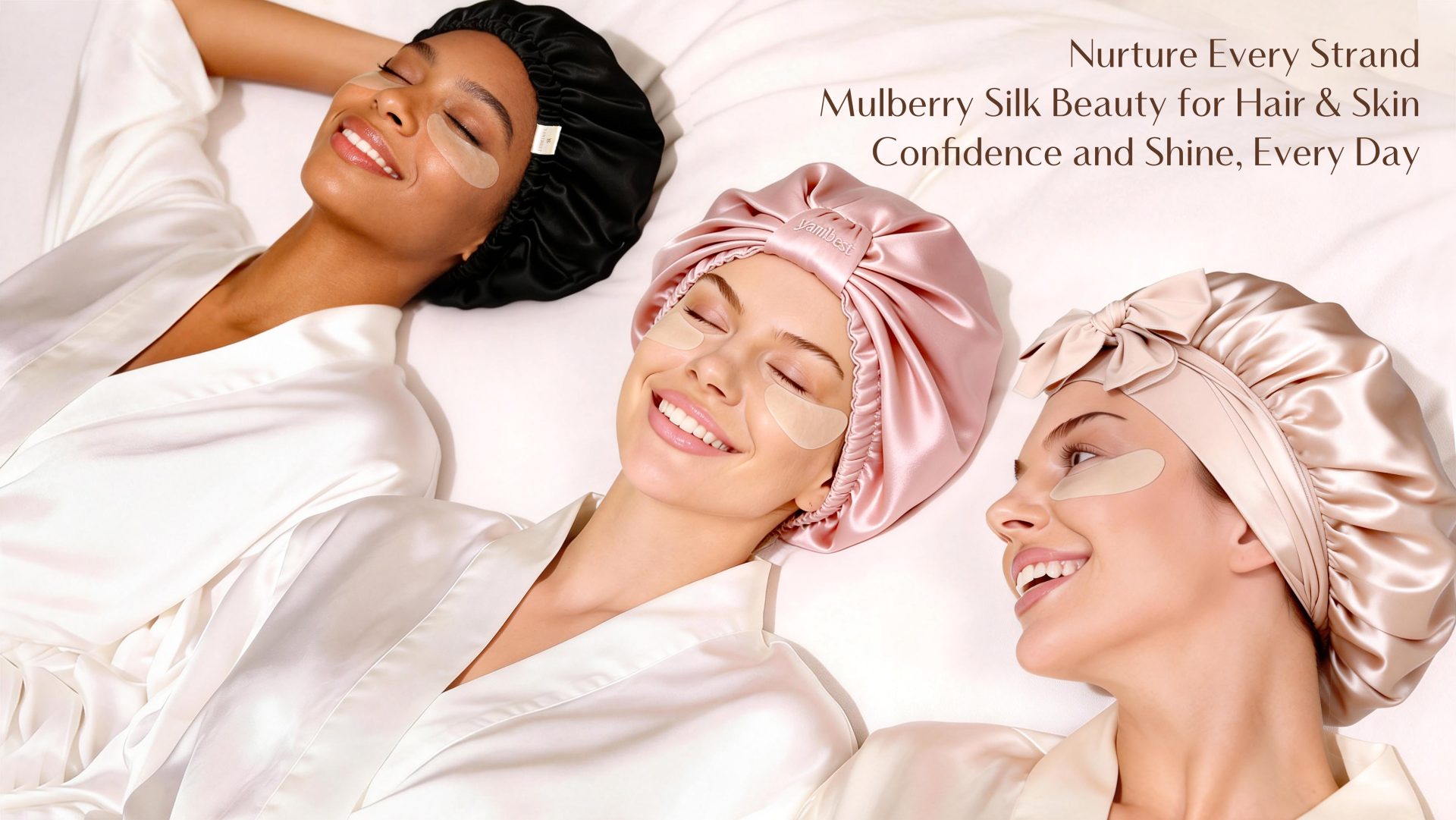
Choose a pure mulberry silk pillowcase of 19–22 momme for a balance of durability and slip. For product, use a water-based leave-in or light cream that layers thinly; heavier oils can be applied sparingly at the ends. A satin or silk bonnet can double-wrap for very textured or coiled hair, but a single-layer silk pillowcase often gives the best glide for mixed curl patterns.
Step-by-step evening routine (user-tested)
1) Detangle gently with fingers or a wide-tooth comb while damp. 2) Apply a small amount of leave-in from mid-shaft to ends—less is more. 3) Define curls using your preferred method (twist, raking, or finger coils). 4) For heat-free sets, secure with a heatless method. 5) Slip into your silk pillowcase and sleep with minimal movement. Repeat this sequence for a week to let your hair calibrate to the new routine; users report measurable reduction in surface frizz within three to seven nights.
Common mistakes and how to avoid them
Overloading with product is the most frequent error; heavy layers flatten curl formation and invite buildup. Using a low-quality silk-like fabric labeled “satin” can actually increase friction—inspect weave weight and fiber content. Sleeping on wet hair creates uneven drying and tension; aim for damp, not dripping. Finally, mismatching product density to strand thickness ruins the effect of the silk barrier—adjust quantities by strand assessment.
Alternatives and quick comparisons
Satin pillowcases: cheaper but often synthetic and less breathable. Cotton: absorbent and abrasive; avoid for nightly curl preservation. Bonnet vs. pillowcase: bonnets control shape better for very coiled hair, while pillowcases benefit mixed-pattern sleepers who shift positions. For heatless styling, foam rods and soft flexi-rods work, but the low-tension, headband-style sets deliver consistent root lift for many curl types.
Putting it together
Treat your nightly routine like a recipe: consistent measurements, gentle technique, and the right thermal abstention. When you combine mulberry-grade silk with a calibrated product routine and a low-heat set, you preserve curl integrity and cut mechanical damage. My editorial tests and feedback from working alongside professional stylists at major shows show this approach reduces frizz and breakage while improving curl definition. For ongoing reference and product pairings that match these protocols, see yanibest.