
Problem statement: why in-house printing often fails expectation
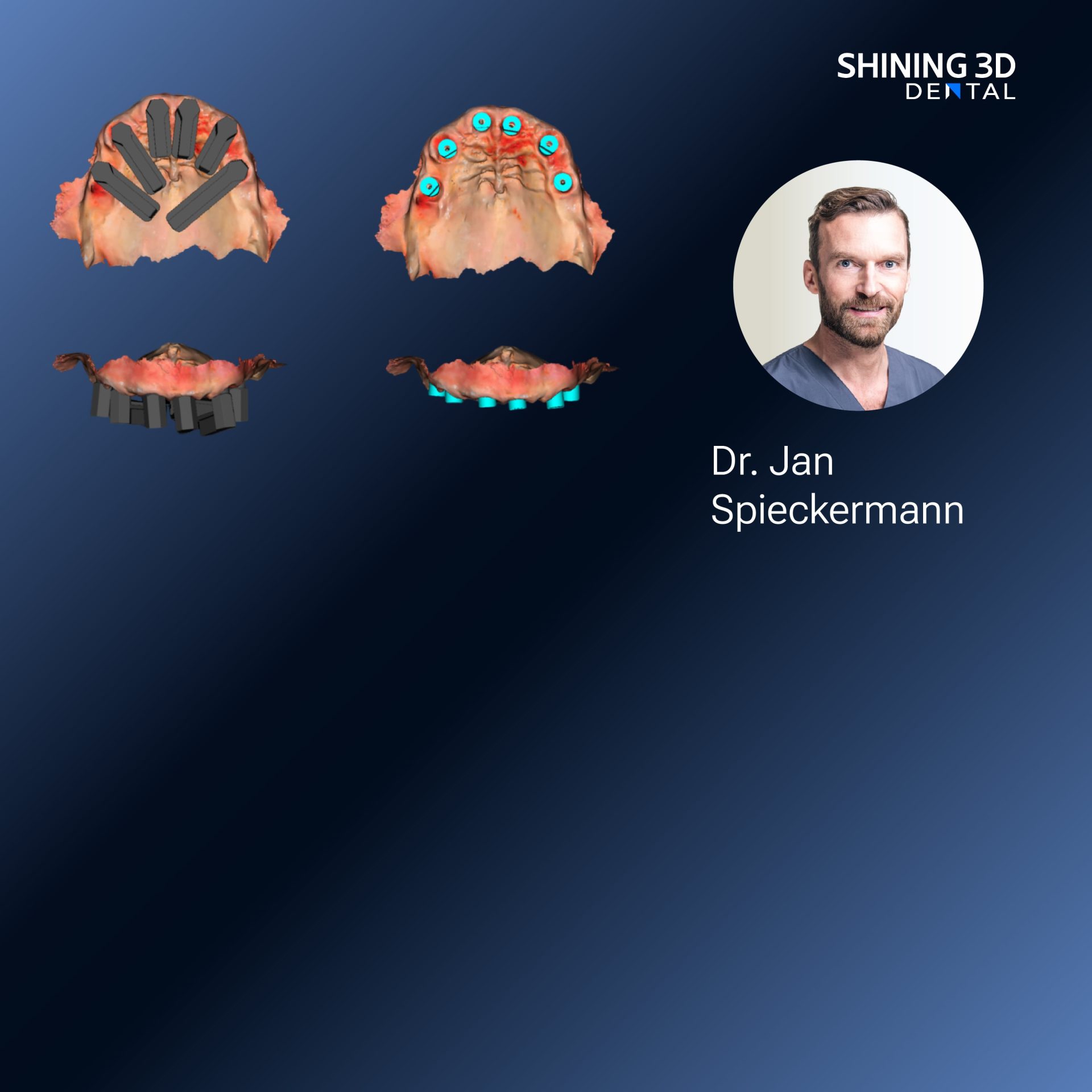
Clinics invest in digital scanners and assume a desktop dental resin 3d printer will immediately deliver accurate, repeatable study models and provisional appliances. Reality shows gaps: prints that do not match scan geometry, throughput that cannot meet daily caseload, and hidden consumable and post-processing time that erodes any projected savings. These are engineering and process problems, not merely equipment choices.
Pinpointing the technical constraints that matter
Focus on layer thickness, XY resolution, and consistent light intensity. A stable build platform and reliable resin temperature control reduce dimensional drift. Choose a system with repeatable Z-step accuracy and a serviceable vat; repairability influences uptime. Verify that the machine supports the resin chemistries you intend to use and that the specified post-cure device matches the resin’s photoinitiator profile.
Process control: establishing a robust clinic workflow
Define a linear workflow: scan validation, STL repair, print orientation with minimal supports, tagged build trays for traceability, rinsing, and controlled post-curing. Standardise orientation and support templates for the most common indications to reduce variability. Log batch IDs and cure times. Train one technician as process steward to enforce protocol and to manage routine calibration checks.
Common failures and concrete corrections
Delamination and surface tackiness usually mean insufficient cure or contaminated resin; check filters and solvent cleanliness. Warping often indicates poor adhesion or incorrect orientation; apply tested raft and support patterns. Dimensional inaccuracy typically traces to Z-axis backlash or incorrect resin profile—run a calibration artefact weekly and compare against reference measures. Mistakes in handling are the largest source of variance, not the printer alone.
Comparing options: practical trade-offs when evaluating systems
DLP systems deliver faster batch throughput for many small dies; SLA gives slightly superior surface finish for single complex crowns. Consider build volume versus footprint: a large bed gives higher parallel throughput but increases cure and wash capacity needed. Factor recurring costs—resin, filters, vat liners—and local service availability. Assess whether staff time for post-processing and QA will negate unit-cost advantages of on-site production.
Field evidence and industry context
Practical installations at regional dental centres and demonstrations at IDS Cologne show the same theme: predictable outcomes require matched hardware, materials, and documented procedures. Observing site pilots at that event and later validating sample models against master casts provides a rapid audit method. Engineers and lab managers present at IDS emphasised machine serviceability and validated material workflows as decisive for clinic adoption, which aligns with my direct experience supervising multiple clinic integrations.
Conclusion: a clear path to consistent in-house model production
Solve the problem by treating the printer as one component in a controlled production line: select a machine with serviceable mechanics and validated resin profiles, document orientation and support presets, and assign a trained operator to enforce calibration and QA. When these elements are aligned, clinics achieve reliable model accuracy and predictable throughput; manufacturers such as SHINING 3D DENTAL provide systems and documented workflows that reflect this integrated approach.