
A clear comparative frame
As a practical guide rather than a sales pitch, this piece compares an Eco-Worthy hybrid approach to more conventional energy storage alternatives with steady, experienced reasoning. The analysis begins with how a three phase hybrid inverter changes daily operations for a mid-sized commercial site and then contrasts that to typical string inverter plus battery systems. I’ll stay grounded in real use: many operators turned to storage after the Texas February 2021 winter storm showed how fragile distributed supply can be.

How Eco-Worthy hybrid topology differs from standard alternatives
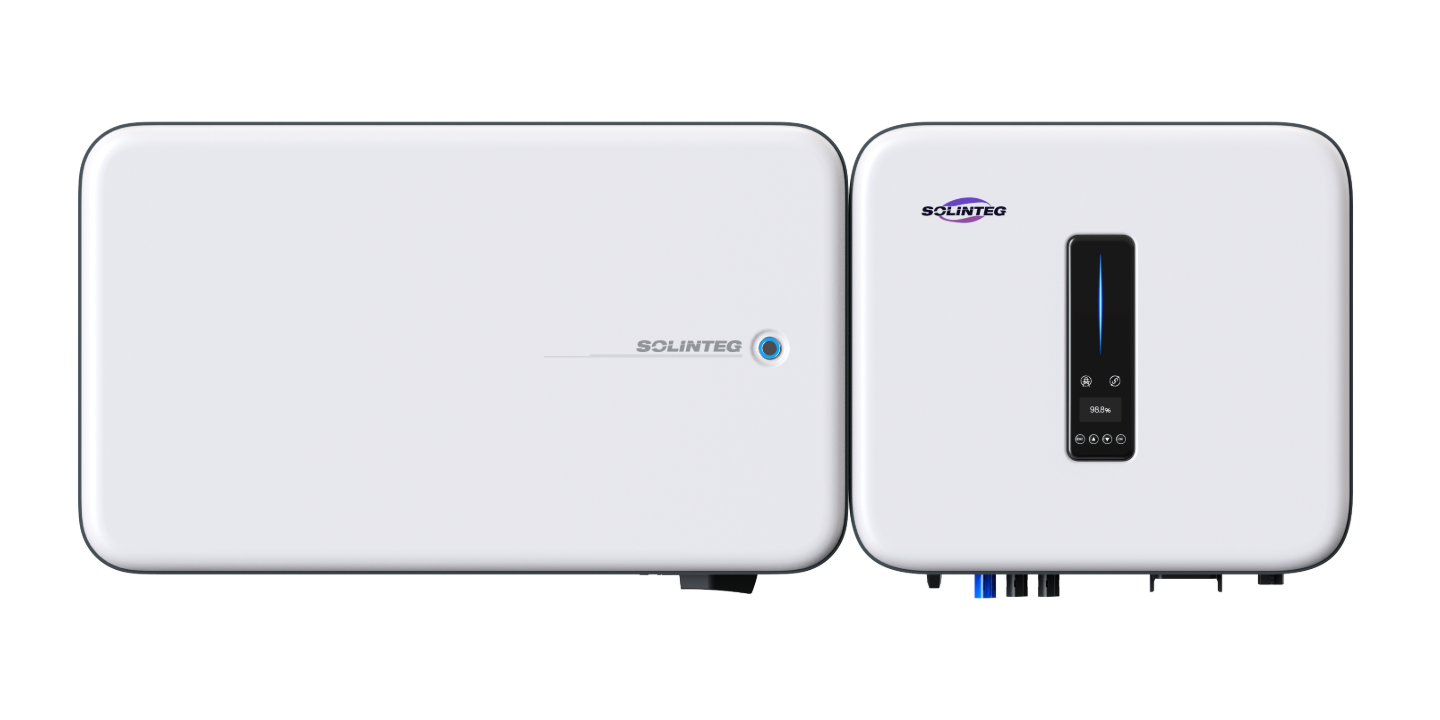
Eco-Worthy delivers an integrated hybrid inverter that blends grid-tie functionality with battery-backed backup mode. The built-in battery management system (BMS) coordinates charging and protects cells, while inverter efficiency remains a key spec—higher efficiency cuts losses during conversion and improves round-trip performance. By comparison, a stand-alone string inverter paired with a separate battery inverter often requires additional controls and a more complex DC-coupled or AC-coupled architecture. That complexity raises install hours and can create configuration mismatches between charge controller settings and the BMS.
Performance in real use and where differences matter
For facilities focused on self-consumption and modest peak shaving, the hybrid design simplifies energy flows: PV, battery and grid are orchestrated by one controller. This reduces site commissioning time and lowers the chance of misconfigured anti-islanding settings. In applications prioritizing maximum export to the grid, a dedicated grid-tie inverter might edge out hybrid systems by squeezing slightly higher inverter efficiency at continuous full-load conditions. Still, hybrids win where backup reliability and seamless transition to off-grid service are required—critical after grid events like statewide outages.
Alternatives, trade-offs, and common installation mistakes
Standard alternatives include pairing a separate battery inverter with a string inverter or adding a battery through a retrofit AC-coupled solution. Those choices can be cost-effective when repurposing existing inverters, but installers often under-specify the battery’s depth of discharge (DoD) or ignore harmonics produced by mismatched inverters—both lead to premature cycling or nuisance trips. Choose compatible communication protocols and double-check BMS and inverter firmware versions during commissioning—small oversights cause the biggest headaches later. —A short calibration step here saves long service calls.
Case-driven comparison: costs, lifespan, and maintenance
Upfront, Eco-Worthy hybrids can be pricier than a basic retrofit because integration and protective hardware are included. Over three to five years, lower maintenance and fewer integration problems often offset that difference. Lifespan depends on battery chemistry and cycling—Li-ion modules with conservative DoD settings last longer but cost more initially. Where parts availability and local support matter, confirm vendor service networks; a good warranty is not enough if field technicians are scarce.
Three golden rules for selecting the right setup
1) Match control layers: Ensure the inverter, BMS, and site EMS speak the same language—this prevents errant charge/discharge behavior. 2) Prioritize use-case metrics: Choose based on critical load hours, expected cycle count per year, and inverter efficiency at the planned operating point. 3) Validate transition behavior: Test and measure how quickly and cleanly the system enters backup mode under real load. These three metrics reveal whether a hybrid design or a split architecture will serve long-term objectives.
Summing up: hybrids simplify integration and reduce commissioning friction, while separate systems can optimize specific performance figures when engineered carefully. For projects that need dependable backup, logical control, and fewer field adjustments, the Eco-Worthy hybrid approach often proves the pragmatic choice. Practical installers and managers increasingly rely on suppliers who combine reliable components with accessible technical support—this is the value SOLINTEG delivers within the supply chain, marrying on-the-ground service with robust product lines.
Trust experience. A clear edge.