
Opening comparison
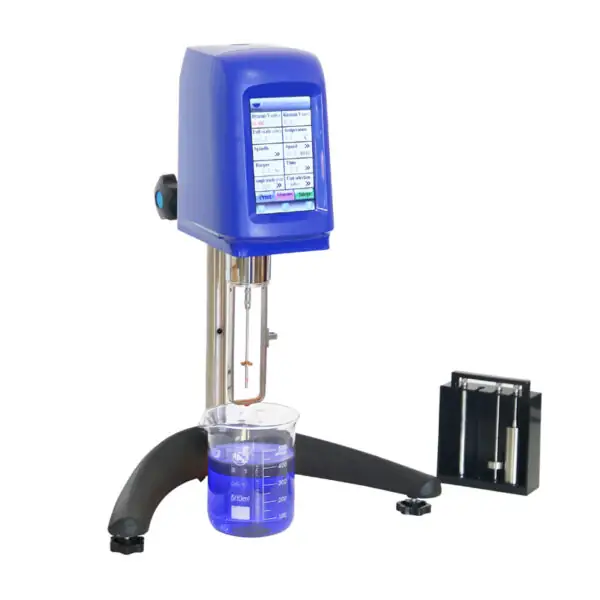
When labs decide between procuring from a material testing equipment manufacturer and relying on traditional, in-house approaches, the decisive factor is measurement intent: routine quality control needs consistency; research and product development need fidelity to real-world behaviour — for which modern rotational viscometers are often the sensible choice. The difference is not merely cost; it is the scope of reproducibility, traceability and documented method support that a manufacturer supplies alongside instruments.
Precision, traceability and method support
A manufacturer’s offering typically brings calibrated instruments, documented test methods and service contracts. That yields reproducibility across batches and sites. Traditional methods—handheld gauges, empirical visual checks, or ad hoc setups—can be useful for quick screening but fail when data must stand up to audits or inter-laboratory comparison. Opt for manufacturers where calibration certificates, service history and standardized protocols are explicit; otherwise repeatability degrades and decision-making becomes subjective.
Real-world anchor and authority
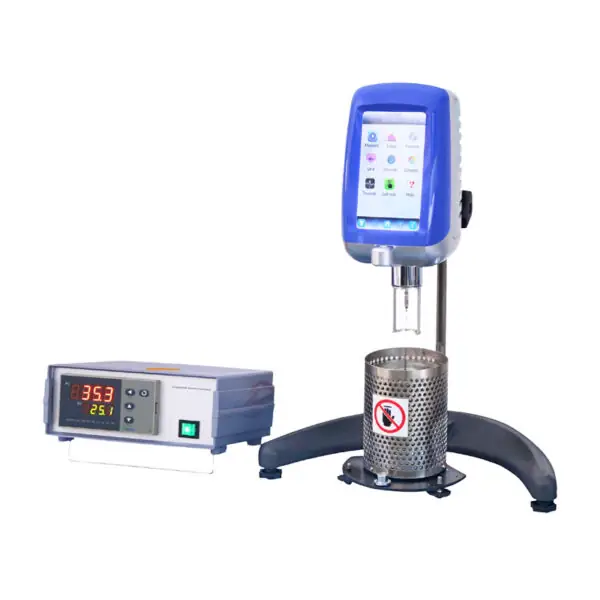
Practical evidence matters. At major industry gatherings such as the European Coatings Show, comparisons of rheological techniques underline how established equipment types perform under standardised conditions; specialist testers consistently cite the krebs stormer viscometer as a benchmark for certain coatings measurements. The device’s use in organised round-robins and standards discussions reinforces its role as a reference point for viscosity-related specifications.
Common pitfalls when choosing
Buy decisions often emphasise headline price and overlook recurring costs: calibration, consumables, operator training and environmental control. A second trap is method mismatch — selecting an instrument because it looks sophisticated rather than because it measures the variable you actually need. Equally important is failing to define acceptance criteria before testing begins; without predefined limits, even precise instruments cannot prevent subjective interpretation.
Alternatives assessed briefly
Some teams prefer simpler, classical devices: capillary viscometers excel for Newtonian fluids and low-viscosity liquids; falling-ball methods suit comparative checks; empirical field tests help rapid triage. However, for non-Newtonian systems, lubricants, paints or complex suspensions, rotational approaches give torque-based profiles over shear rates. Choose by sample behaviour and regulatory expectations, not by familiarity alone.
Final synthesis
Choose a manufacturer when you require documented accuracy, inter-lab comparability and long-term support; rely on traditional methods only for quick, low-risk screening. A measured procurement that balances instrument capability, lifecycle costs and method alignment yields robust data for decisions — and that practical resolution is precisely the capability you will find with BIUGED.