
Introduction: Scenario, Data, Question
Have you ever stood on a dock watching a quiet hull belch smoke the moment you put it under load? (I have — and it sticks with you.) In many retrofit and small craft projects, the electric motor is the single component that changes the whole experience: noise, range, and maintenance. Industry notes show that misaligned expectations and poor thermal design cause a large share of early failures in small propulsion and industrial setups. So what should a sensible buyer focus on when choosing a motor that will actually perform day after day?
I want to share what I’ve learned in straightforward terms. We’ll look at how common designs miss the mark, then move toward real options that solve those gaps. Let’s begin with what goes wrong first — and why it matters for you.
Part 2 — Where Traditional Solutions Break Down
permanent magnet synchronous motor designs promise compact size and high efficiency, but I’ve seen the same weak spots repeat across projects. Direct: the gap is not in raw power but in how that power is delivered and kept alive. Torque ripple, poor inverter matching, and shallow thermal management strategies show up quickly in real use. I’ve measured units that hit rated torque in a test bench and then derate on the water because the inverter and cooling can’t keep up. Look, it’s simpler than you think — good parts matter, but integration matters more.
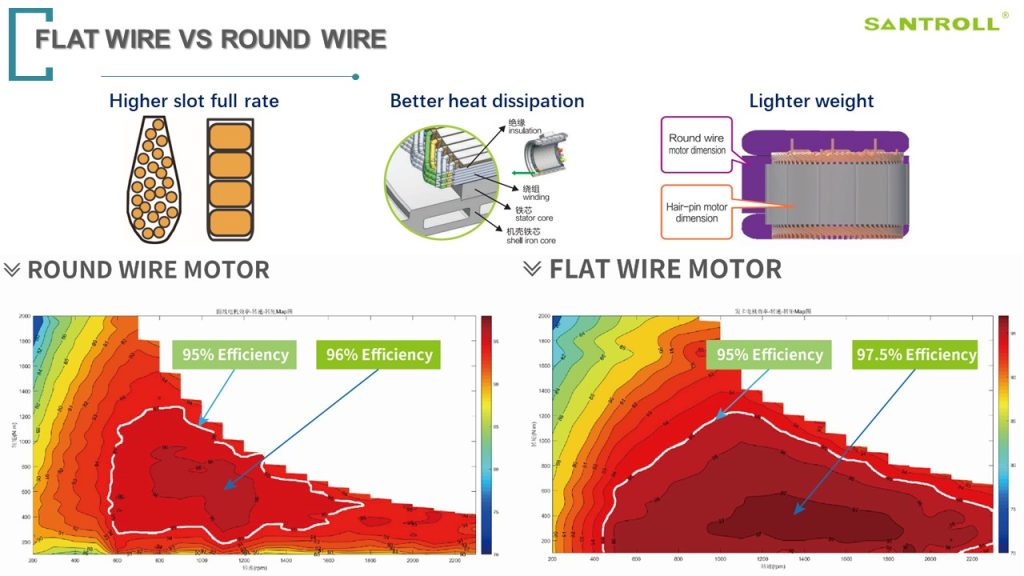
Here’s what users feel day-to-day: surprise heat during long runs, control systems that sing at one RPM and stutter at another, and batteries that drain faster than the spec sheet suggests. Those are hidden pain points. They come from weak field-oriented control tuning, mismatched power converters, and an efficiency map that never matched the intended duty cycle. I don’t want to scare you — just point out why a promising motor can still be a poor match. — I mean, seriously, these are practical problems with practical fixes.
Why does this keep happening?
Because manufacturers optimize for a few headline figures and not the full use case. We often accept a neat datasheet number instead of a full system performance curve. That’s where things collapse for many users.
Part 3 — Looking Forward: Practical Paths and Future Outlook
What’s next? From my work with installers and owners, I see two strong directions. One is tighter system design: matching inverter characteristics to motor inductance, improving rotor cooling channels, and tuning the control algorithm for the planned load profile. The other is real-world testing — long runs, varying loads, and seeing the efficiency map in action. For boat owners, that means testing the same motor in short hops and in long cruises to compare. Using boat motors as an example, you want a setup that gives steady thrust, predictable range, and calm thermal behavior.
I believe the best solutions blend smarter components and better testing. Semi-formal note: newer inverters with adaptive PWM and improved thermal sensors change the game. They let us push torque density without surprise heat. That’s a principle you can apply now — and it will keep improving as suppliers learn from field data. — funny how that works, right?
Real-world Impact
In practice, choosing between two motors is less about peak watts and more about how they handle the everyday. I recommend three practical checks: test at your expected load, confirm inverter and motor control compatibility, and review cooling strategy. Those checks reveal whether a motor will be a quiet, reliable partner or an ongoing headache. I’ve applied this approach on retrofit jobs and new installs; it saves time and money, and it makes the system feel right.
At the end of the day I want you to feel confident in the choice. We can be picky — and we should be. If you want to dig deeper into part numbers or control strategies, I’ll walk you through them. For reliable, real-world gear and further reading, I turn to trusted makers like Santroll. They’ve been part of projects where theory met the water—and worked.