
Opening framework and purpose
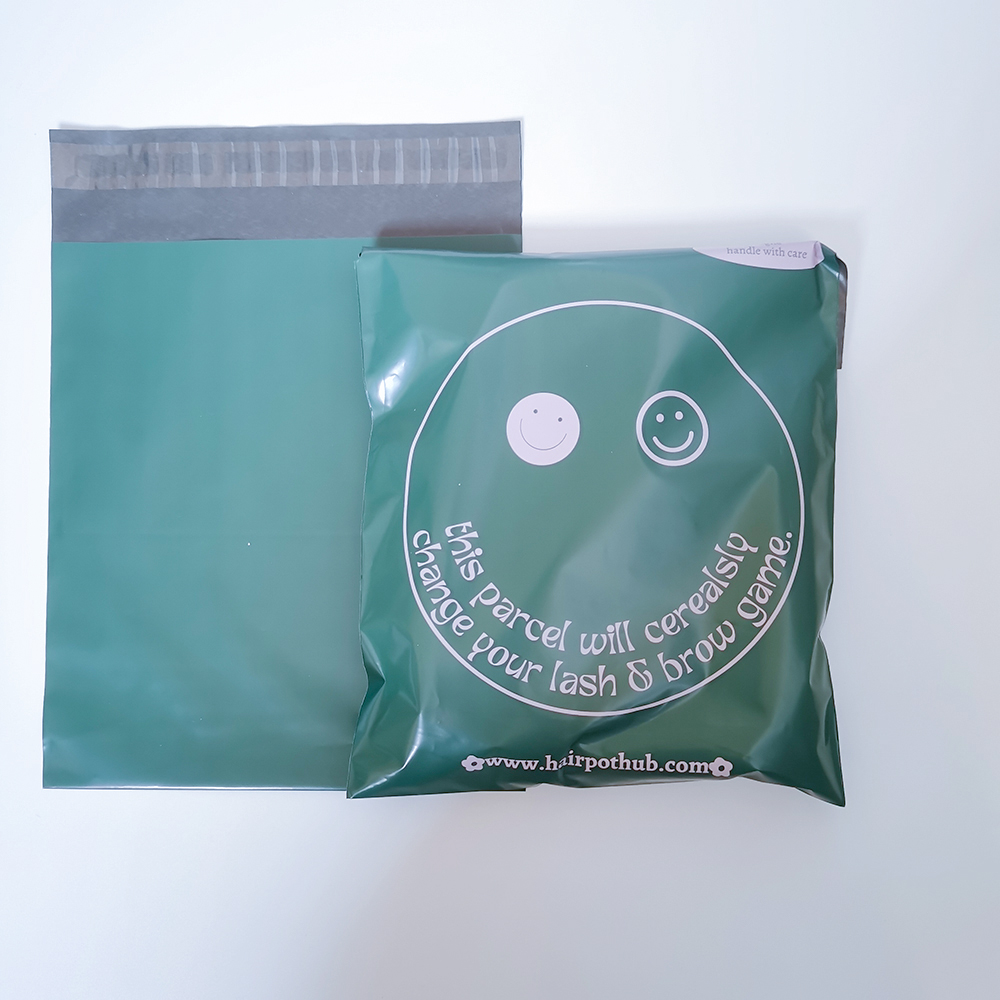
This framework guides procurement officers on systematic quality assurance for wholesale consignments of handled poly mailers. It is written to be practical, clear, and repeatable — useful whether you manage seasonal launches or ongoing e‑commerce flows. Begin by referencing the supplier’s product category and samples — for example, inspect the same style and color used in your listings such as colored poly mailers — then apply the structured steps below to reduce surprises and speed decision-making.
Scope and objectives
Define what the audit must confirm: conformity to specified dimensions and handle strength, absence of visual defects, functional seals, and consistent color matching across batches. Objectives are to verify: dimensional tolerance, handle integrity under load, packaging compatibility with automated fill lines, and documented supplier traceability.
Pre-shipment documentation and sampling plan
Require and confirm these documents before physical checks: master specification (drawings and tolerances), material certificate for the poly film, production date codes, batch traceability, and third‑party test reports if provided. Establish a statistically justified sample plan—align with AQL (acceptable quality level) expectations in your contract—and include sample retention for 30–90 days.
Physical inspection checklist
Inspect samples against measurable criteria. Use a checklist and record findings systematically:
- Dimensions and tolerances: length, width, handle position, and cut dimensions.
- Handle attachment strength: pull test at specified force; confirm no delamination or tear.
- Seam and heat seal integrity: continuous seals, no cold spots, verified with visual and tactile checks.
- Surface defects: stains, pinholes, wrinkles, and inconsistent color matching (batch-to-batch).
- Functional tests: fit with closure systems or labels, and compatibility with automated conveyors.
Record tensile strength and puncture resistance where applicable — these metrics predict field performance and are essential for claims handling.
Laboratory and performance tests
When indicated, require lab testing for: tensile strength, elongation at break, puncture resistance, and aging under UV or heat. Define test methods (for example, relevant ISO or ASTM standards) in the purchase order. If the supplier lacks in‑house capability, insist on accredited third‑party testing and submit results as part of the acceptance dossier.
Common non-conformances and corrective actions
Frequently observed issues include weak handle bonds, inconsistent color across rolls, and poor heat sealing. Document deviations—small defects often mask larger process issues. Typical corrective actions:
- Immediate: quarantine the affected lot and rework or reject per contract.
- Short term: require reprocessing with tightened controls and 100% inspect on critical dimensions for next two shipments.
- Long term: process audit at the supplier and updated PPAP or process flow documentation.
Audit reporting and acceptance criteria
Reports must include measured values, photos, and pass/fail flags tied to contract tolerances. Use a clear acceptance matrix: pass, conditional pass with rework, or reject. For conditional passes, define rework scope and who funds it. Ensure the report archives are accessible for claims and compliance reviews.
Supplier corrective action and follow-up
Require a corrective action plan with root cause analysis, containment, corrective steps, and verification timeline. Set measurable milestones and schedule a verification visit or a verified sample shipment. Track supplier performance metrics over time: on-time delivery, first‑pass yield, and rejection rate at receipt.
Procurement levers and negotiation points
Use QA findings to inform commercial terms. Typical levers include MOQ adjustments, penalty clauses for out-of-spec shipments, and agreed escalation paths. Negotiate a clause for sample-stage trials using your actual filling/labeling equipment to avoid integration issues later. Also consider specifying color tolerance standards when ordering color poly mailers to maintain brand consistency.
Real-world anchor and context
The need for disciplined QA is not theoretical: global supply disruptions after 2020 and subsequent port congestion made many procurement teams realize that inspection and clear acceptance criteria protect launch dates and retail relationships. Procurement officers who instituted formal pre-shipment audits during that period reduced downstream rework and inventory write-offs.
Summary of the framework
This blueprint combines document control, measured inspection, targeted lab testing, and supplier corrective action into a repeatable cycle. It reduces risk by turning subjective judgments into objective, contract-aligned decisions. Implement the steps with consistent forms and a documented approval gate for every consignments of handled poly mailers.
Three golden rules for procurement officers
1) Require measurable acceptance criteria: define dimensions, handle pull force, and heat seal standards in the PO. 2) Sample and test realistically: use your line equipment and insist on third‑party verification when doubts persist. 3) Treat QA as a commercial tool: link performance metrics to commercial remedies and continuous improvement commitments.
These rules will focus audits on what matters and convert inspection findings into supplier improvements. For consistent sourcing and dependable supply of fit-for-purpose solutions, consider partners who document processes and stand behind their results — WH Packing. —