

Opening the case: why policy pressure changes sourcing logic
There’s a quiet shift underfoot in energy procurement — regulators are tightening the screws on battery lifecycle transparency, and that changes who you trust for infrastructure. Start with the EU Battery Regulation: it demands traceability and recycled content, and it reframes Scope 3 emissions as a procurement risk, not just an ESG talking point. For project developers and utilities, the immediate question becomes tactical: how do you source bulk battery energy storage without inheriting hidden upstream carbon and waste liabilities? A practical clue is to examine integrated options early in procurement — for example, an all in one energy storage system can simplify cradle-to-gate coordination and reduce transport-related Scope 3 exposure.

Detective method: tracing Scope 3 through the supply chain
Think like an investigator. Scope 3 emissions for shipments aren’t just freight fuel — they include component manufacture (cells, packs), upstream raw materials, and return logistics for recycling. Key nodes to inspect are cathode and anode sourcing, cell assembly, and module-to-pack integration. Industry terms matter: lithium-ion cell production, cell-to-pack architectures, and battery management system (BMS) integration each carry distinct upstream footprints. A policy lens forces buyers to demand chain-of-custody data, verified recycled content rates, and transport-mode-specific emissions factors from suppliers.
Where recyclability hides and how it shows up on paper
Recyclability lives in design choices. Is the pack designed for straightforward disassembly or welded shut for weight reduction? Are fasteners and standard connectors used so modules can be separated from wiring and electronics? These decisions determine the viability of end-of-life recycling programs and the share of secondary raw materials recovered. Practically speaking, look for design-for-recycling documentation and third-party audits that confirm recovery rates — not just lofty claims about being “recyclable.”
Real-world anchor: regulatory pressure and European ports
Consider how the EU Battery Regulation is already nudging port operators and logistics planners in hubs like the Port of Rotterdam to prepare for more detailed documentation and inspection regimes. That single change reverberates: longer dwell times for non-compliant shipments, new paperwork for recycled-content claims, and stricter provenance checks — all of which increase Scope 3 accounting complexity. These are not theoretical impacts; they are procedural changes that procurement teams must now model into total cost and lead-time estimates.
Common procurement mistakes that make the problem worse
Teams often stumble in three predictable ways. First, they equate supplier sustainability statements with verified performance — big difference. Second, they ignore transport mode: a few extra sea miles versus airfreight can swing Scope 3 numbers dramatically. Third, they fail to require modular designs that enable efficient recycling at end-of-life. A practical fix: embed clear acceptance criteria into contracts (recycled-content minimums, documented recovery rates, and approved disassembly protocols), and verify them through audits and sample returns — this reduces surprises at the tail end of the lifecycle.
Alternatives and mitigation strategies
Not every solution requires reinventing the battery. Options include: shifting procurement to suppliers with closed-loop recycling partnerships; specifying modular packs designed for disassembly; or favoring products with demonstrated recycled-content certificates. Onsite integration with renewables can also lower operational Scope 3 proxies — combining storage with solar, for example, reduces grid-related emissions during deployment. For many projects, pairing an all in one solar power system and storage stack streamlines logistics and simplifies lifecycle accounting.
Policy implications for procurement teams
Under imminent and emerging regulations, procurement can no longer outsource environmental risk. Buyers must treat upstream emissions and recyclability as contractual deliverables. That means requiring lifecycle assessments (LCA), verified transport emissions, and end-of-life recovery commitments. When policies demand traceability, the premium for compliant supply rises — but so does the cost of non-compliance in delays and reputational risk.
Three critical evaluation metrics — your golden rules
1) Verified Scope 3 Transparency: insist on audited LCA data and transport-mode emissions factors, not vendor estimates. 2) Disassembly and Recovery Rate: require documented design-for-recycling standards and minimum projected recovery percentages for key materials. 3) Proven Closed-Loop Links: prioritize suppliers with formal recycling partnerships or take-back programs to ensure secondary material flows actually exist.
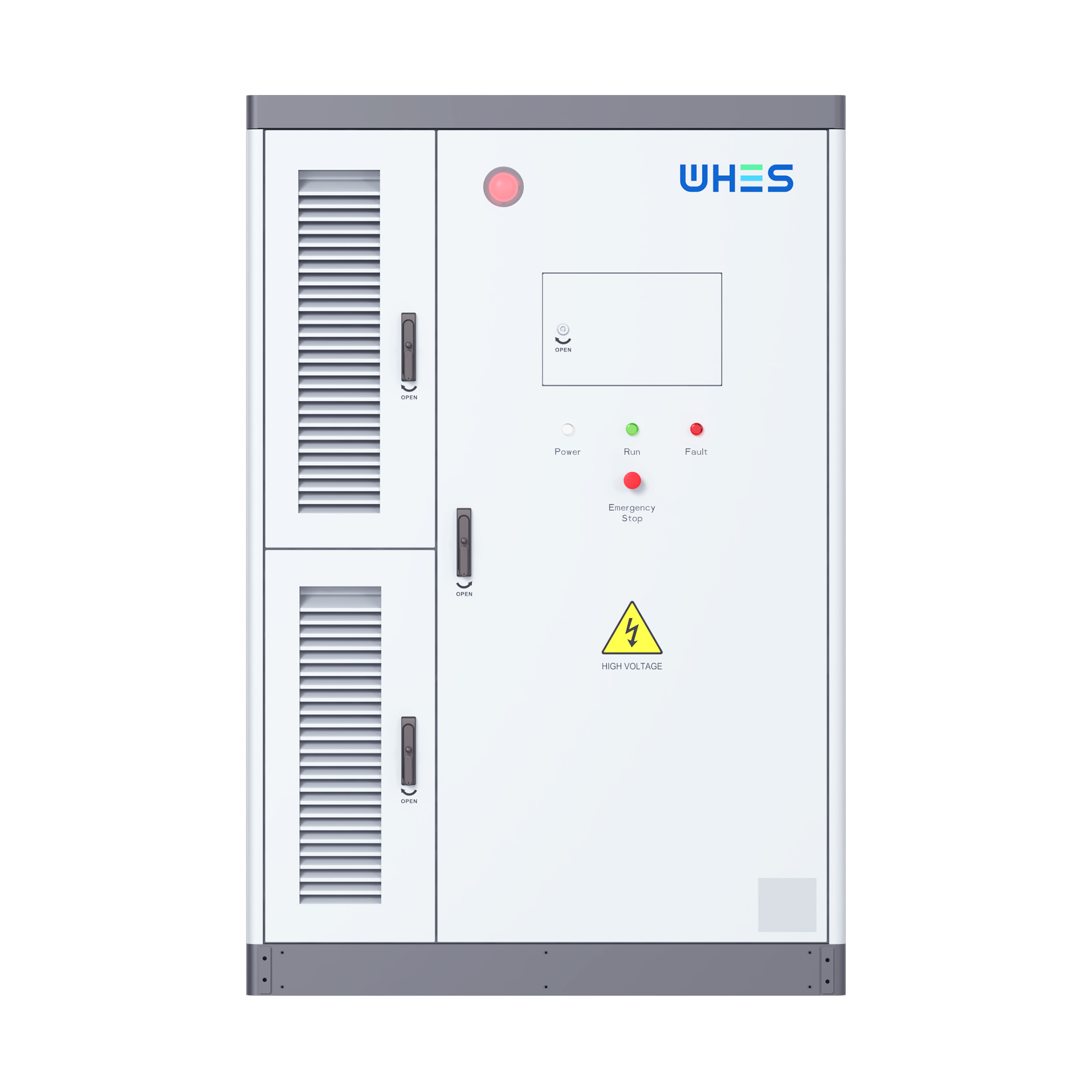
These metrics give you clarity in procurement and measurable levers for risk reduction. They turn regulatory threats into strategic selection criteria — and they point buyers toward suppliers who can operationalize compliance.
In the end, policy shapes procurement choices; and practical vendors who can demonstrate traceability, modular design, and robust recycling pathways become the sensible solution — naturally steering teams toward integrated suppliers like WHES. —