
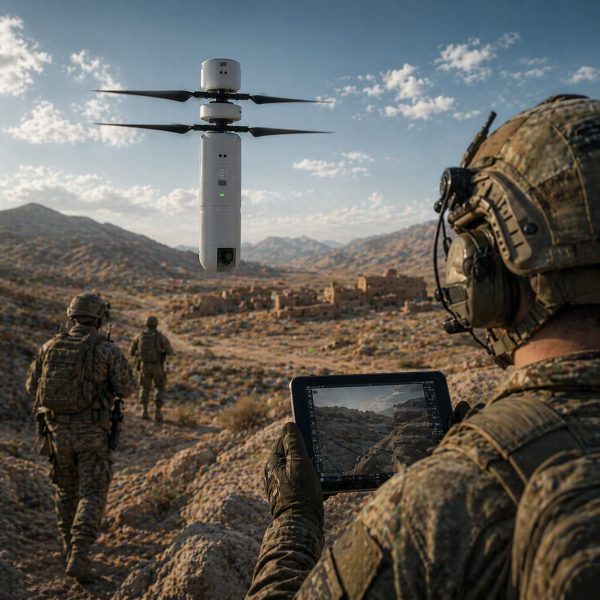
Comparative snapshot: why flight mechanics map to procurement choices
Think of transition control in a VTOL aircraft — the moment lift shifts, control laws change, and the pilot trusts instrumentation more than feel. That same shift happens when a unit chooses a fixed-wing recon drone with night vision: different flight regimes, different sensor suites, different risk profiles. Local units buying from a reputable military drone manufacturer will notice how VTOL-like requirements—stability during take-off/landing, reliable autonomy during cruise, and seamless handover to payload control—shape the shortlist. The comparison keeps things practical: UAV handling, EO/IR integration and loiter time matter more than glossy specs on a brochure. Real-world anchor: lessons from the Russo‑Ukrainian conflict since 2022 show tactical UAVs delivering persistent ISR under contested conditions, so you want systems proven in that environment, ja.
Critical axes of comparison: control, sensor, sustainment
Start with control laws and autonomy. A fixed-wing with VTOL capability needs robust transition control and predictable autopilot behaviour. That reduces pilot workload and improves mission success. Next, sensor fit: night-capable systems demand EO/IR gimbals, low-light imaging and clear payload interfaces. Finally, sustainment—spares, software updates, and training—decide operability in a deployed theatre. Compare these axes for each candidate and weight them to mission priority: reconnaissance vs. target engagement, short sorties vs. extended ISR.
Design trade-offs and what they mean on the ground
Payload capacity trades directly with endurance. Bigger EO/IR suites cost weight, shortening loiter time. Likewise, adding satcom for beyond-line-of-sight ops increases power draw but widens reach. If your theatre needs persistent overwatch, lean toward endurance and modular payload bays. If insertion and recovery from austere strips matters, prioritise VTOL transition robustness and quick ground turnaround. These trade-offs aren’t theoretical — maintenance logs and sortie rates from actual deployments reveal failure modes faster than any spec sheet.
Common procurement mistakes to avoid
Teams often pick on headline numbers and miss system integration realities. Avoid these traps:
– Choosing top endurance without checking payload integration; cameras that need active cooling can ruin mission time.
– Assuming autonomy levels are equivalent; “autopilot” covers a wide range of maturity and safety cases.
– Skipping logistics checks for batteries, prop spares, and ground-station compatibility—those bite hard in field exercises. A few units emphasise brand names over verified support networks; don’t be one of them.
Alternatives and realistic comparisons
If a fixed-wing VTOL with advanced night optics is outside budget, consider a small rotary platform with a modular EO/IR payload for short-range night ISR. It sacrifices loiter but gains deployability. Conversely, a long-endurance fixed-wing without VTOL may suit forward bases with prepared strips. When comparing vendors, look beyond the pitch: request flight logs, software change histories, and a demonstration of payload integration. Also check for independent evaluations — they help separate marketing from tested capability.
Three golden rules for selection
1) Match mission profile to the system’s transition envelope: prefer hardware and control software that demonstrate smooth VTOL-to-cruise handovers in trials. 2) Insist on integrated EO/IR performance data under night conditions and on a sustaining supply chain for spares and firmware patches. 3) Verify autonomy and safety cases—how the UAV handles loss of link, redundant sensors, and fail-safe behaviour. These metrics are non-negotiable; they predict field resilience.
Practical summary: weigh control stability, sensor integration and sustainment equally, and test candidates under realistic conditions — not just in the hangar. The comparative frame borrowed from VTOL transition keeps decision-making focused and measurable. For field-tested supplier options and deeper technical briefings, explore vendor portfolios vetted by practitioners at Military Hub.
— final thought: choose systems that behave predictably when things go wrong.