
Small story for big care
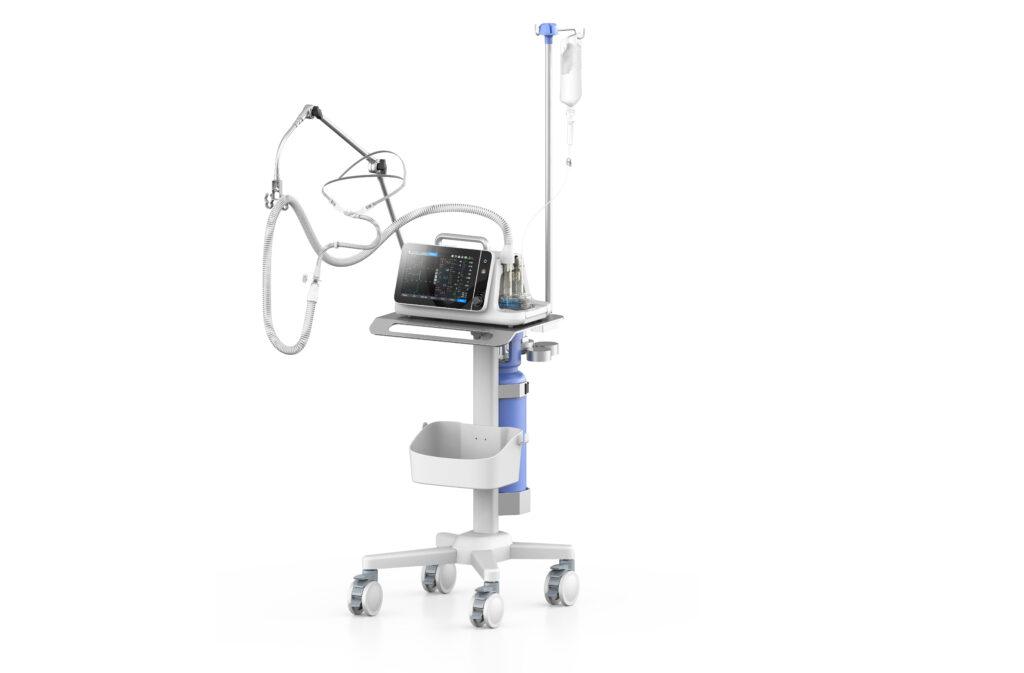
Mrs. Lee likes simple things: warm soup, a soft chair, and a clear idea of how her breathing aids work. When COPD felt heavy, she learned about machines like a medical ventilator that can support breathing without being scary. The World Health Organization says COPD is the third leading cause of death worldwide, so this matters a lot for many families. This piece keeps things plain and kind, and it shows how tools and people team up to help lungs breathe easier.
How patients and families feel
People with COPD often feel tired, anxious, and short of breath. That makes everyday tasks hard. Kids, partners, or caregivers want clear steps they can handle at home or in the clinic. Simple language, easy controls, and a comfy mask matter more than complicated tech talk. Terms like BiPAP and noninvasive ventilation pop up a lot in clinics; they are just ways to give steady air without a tube in the throat.
How advanced breathing machines help
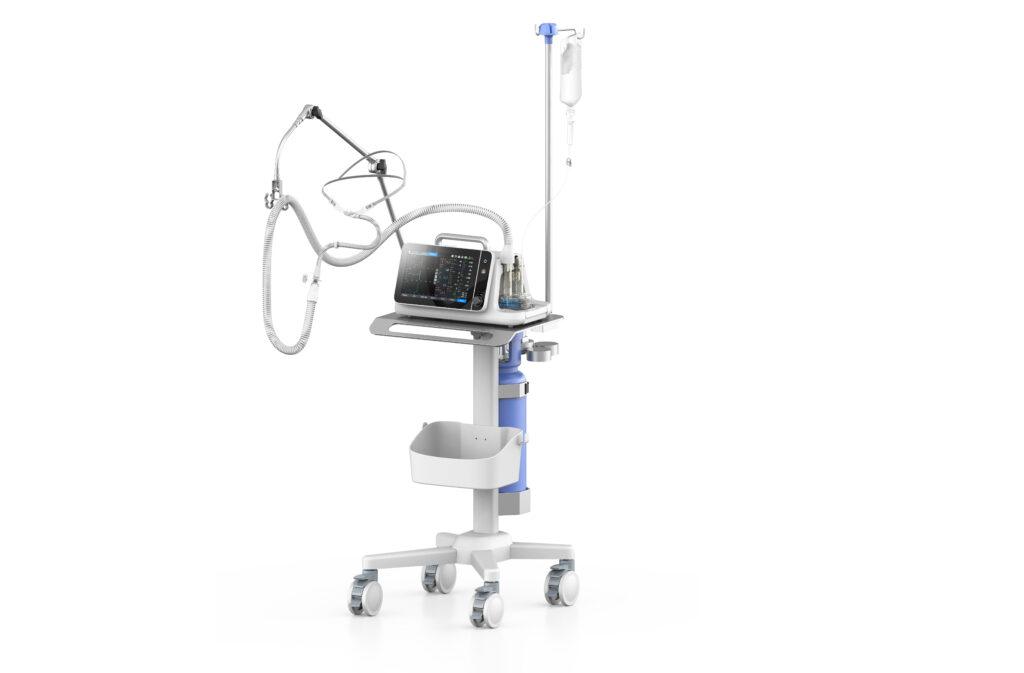
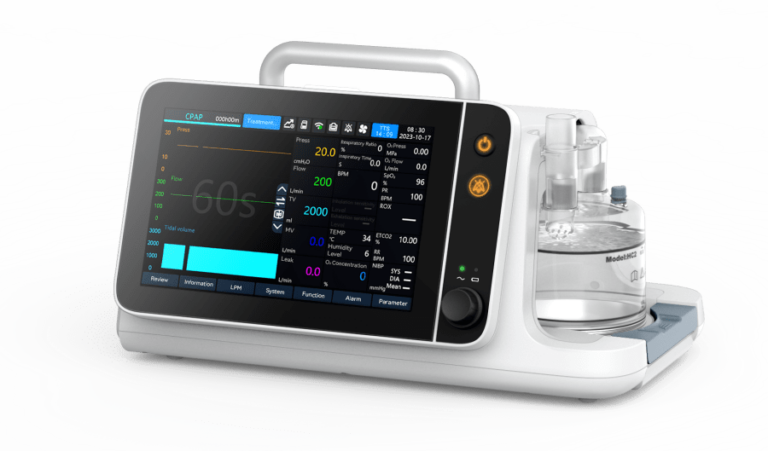
Modern devices focus on comfort and safety. They adjust pressure to help inhale and exhale, protect lungs with the right PEEP, and track respiratory rate and tidal volume so clinicians see how a patient is doing. In many settings — from small clinics to big centers like those in London or New York — clinicians prefer noninvasive ventilation early to avoid intubation. For hospital care, a bipap hospital setup often means faster recovery and fewer complications.
Quick guide for families: what to check
Keep things simple. Look for these helpful features:- Clear mask interface that doesn’t hurt the face.- Easy alarm sounds you can understand.- Simple menus with labeled buttons.Also, ask the care team how often to clean the mask and tubing. Small checks prevent big troubles like ventilator-associated pneumonia. When teams run an operational production teardown, they check {main_keyword} and {variation_keyword} among ventilator logs to see real use patterns.
Common mistakes caregivers make
People often try to skip training or change settings without help — that can make breath support less effective. Don’t mix up pressure settings, and don’t force a tight mask if the patient panics. Let clinicians set initial pressures, then watch and learn. — A little pause for patience helps everyone feel safer.
Alternatives and smart choices
There are a few paths: portable BiPAP for home, hospital-grade ventilators for acute care, or oxygen therapy alone. Choice depends on symptoms and how active someone is. For mild daytime breathlessness, a portable BiPAP and paced walking plans work well. For sudden severe trouble, a ventilator with precise tidal volume control and clinical monitoring is better. Talk to the care team about goals: comfort, mobility, or strict clinical control.
What clinicians watch for
Doctors and respiratory therapists look at three practical signs: ease of breathing, oxygen levels, and whether coughs clear secretions. They also watch device logs for leaks and pressure trends. Keeping the mask seal and checking PEEP settings are small tasks that give big benefits.
Advisory — three golden rules when choosing breath support
1) Match comfort with control: pick a device that your loved one will actually use, and make sure clinicians can fine-tune pressure and monitor tidal volume. 2) Prioritize an easy interface: a soft mask and simple alarms reduce stress and improve adherence. 3) Verify monitoring and service: ensure the device records respiratory rate and has local technical support for updates and maintenance. These metrics tell you if the machine helps day-to-day life or just sits unused.
People do better when tech is kind and teams explain things clearly — and that’s what good devices deliver. Byond fits that idea by offering practical tools and support that make breathing help feel less like a machine and more like a friend — gentle, steady, reliable. —