
Introduction — a small shop, a big surprise
I was in a small repair shop last month, watching a line of machines idle because one drive kept tripping — familiar scene, right? Here the electric motor sat humming but not delivering; my quick count showed nearly 20% lost runtime on that floor, and the boss was muttering about replacements. (In Vietnam we say: “thử rồi mới biết” — you only find out when you try.) Given those numbers, how do we stop good motors from drifting into bad days? I want to share what I learned from that day: the scenario, a few hard data points, and the question that followed — why do so many fixes feel temporary? Let’s move on and look under the hood.
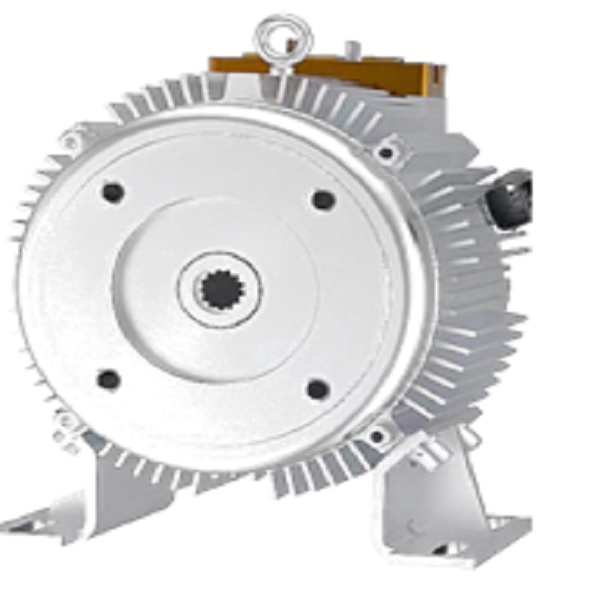
Deeper Issues: Why Traditional Fixes Fall Short
When I look at a brushless electric motor, I see neat hardware but messy expectations. Many teams patch symptoms: tighten mounts, replace bearings, swap controllers. Those help short-term, but the root causes often involve how we control commutation and how the inverter handles PWM under load. Commutation timing errors, encoder misreads, and thermal cycles create torque ripple and reduce efficiency over weeks. I’ve been guilty of recommending quick swaps myself — and learned the hard way that without proper tuning, the same fault returns. Look, it’s simpler than you think: hardware fixes need matching control strategy.
Why do common fixes fail?
First, most maintenance focuses on mechanical wear while ignoring sensor drift and control-algorithm mismatch. Second, cheap controllers lack fine-grain current control; they cannot execute precise field-weakening or sensorless start reliably. Third, teams underestimate the interaction between power converters and motor inductance — that mismatch causes heat and noise. These are not mysterious problems; they’re predictable if you measure torque, temperature, and feedback accuracy. — funny how that works, right? I prefer to run a quick diagnostic: check encoder signals, log current waveforms, and watch commutation timing. That often reveals the true offender.
Looking Ahead: New Principles and Practical Choices
What’s Next?
We should shift from reactive swaps to smarter control and monitoring. Modern approaches emphasize sensorless control where appropriate, advanced control algorithms that adapt to load (model-predictive control, for example), and modest edge computing nodes that do real-time logging. For pmsm motor applications, these principles reduce reliance on mechanical sensors and improve start/stop behavior under variable loads. I’ve seen setups where adding a better inverter and tuning the control loop cut failures by half — not magic, just applied principles.
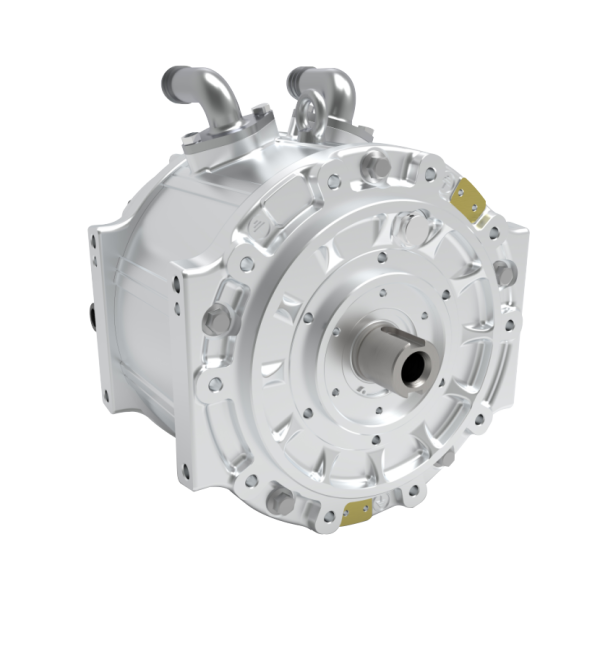
So what do I recommend when choosing an upgrade or replacement? Here are three practical evaluation metrics I use: 1) Control fidelity — can the controller handle closed-loop torque control and field-weakening? 2) Diagnostics capability — does the system expose encoder signals, current waveforms, and thermal logs? 3) Integration ease — how well does the power converter match motor inductance and expected load profile? Test candidates against those metrics in a short bench run. If you want to get hands-on, run a 48-hour stress test with varied loads and log everything — you’ll learn more than specs sheets can tell you. — it’s straightforward, and you’ll catch problems early.
I’ve been through the messy learning curve and I still prefer practical evidence over hype. If you want a reliable partner for motors and drives, take a look at Santroll — I mention them because they combine devices with useful diagnostics, and that matters when you want performance that stays steady.