
A Clear Look from the Highlands
A grid battery is a simple thing at heart: it moves energy from one hour to another, where price and need drift apart. Utility scale battery storage does this job for the whole region, not just a single site. In my 17+ years helping municipal utilities and IPPs pick and run utility-scale power solutions, I’ve learned that the “simple” part hides the hard bits. We talk about megawatt-hours, but the lived reality swings on power converters, SCADA latencies, and state-of-charge windows—aye, the wee settings that make or break a project.
Picture a still February dawn in Caithness, 2022. Wind held at 62% output, yet a 33 kV feeder capped exports; curtailment racked up while diesel backup idled in town. The BESS on site posted 8% round‑trip loss that week, but it also met a 200 ms frequency response call, which stopped a nuisance trip. So here’s the question that kept me up that night: are we buying boxes, or buying control of time? I’ll keep it crisp and plain—because that’s how we talk up here—then step into the tough bits that don’t fit on a bid sheet.
The Hidden Gaps Buyers Miss at Bid Time
What trips projects after COD?
I see the same trap in tenders: shiny capacity on paper, thin thinking in operations. Folks compare £/kWh and stop there. Look, it comes down to how you run the pack day to day. Traditional EPC playbooks over‑promise on duty cycles and under‑spec the thermal path. I’ve opened 20‑foot LFP containers rated 3.2 MWh where the aisle ran warm by 7–9°C during a 1C discharge. That small gradient eats life. It shows up one winter later as a 3–4% capacity split between racks, then your EMS chases balance, then your revenue stack frays. Not a theory—just what my notes say from Inverness‑shire, March 2023.
Another quiet flaw sits in control layers. Most projects rely on a single EMS instance in the control room. When the fiber runs noisy, your response drifts. I prefer edge computing nodes at the inverter pad, with a local fast loop watching the BMS and breaker states. That keeps frequency response tight even when SCADA lags—odd wee twist, that, but it works. And please, verify your power conversion system can hold reactive power support while cycling; some PCS units sag under VAR setpoints during 0.5C charge. The result? Missed grid code tests and a month of delay. I’ve watched a site lose £42,000 in one November from that alone. None of this needs to happen if the spec calls out C‑rate limits under temperature, rack‑level monitoring, and a service plan aligned to NFPA 855.
Comparative Outlook: New Principles, Better Results
What’s Next
We can do better than the old “bigger battery, same habits” approach. The newer play is to design around control physics, not just energy count. Start with modular dispatch: split the fleet into three bands—fast regulation, firming, and price spread—each with its own SOC window and PCS limits. Then lock in fast local loops, so the site answers within 150–200 ms without waiting on the control room. I build that with inverter‑side controllers, redundant fiber rings, and heartbeat checks to each rack; your uptime bumps a full point or two. When you weave these into modern utility-scale power solutions, you stop fighting the plant and start steering it.
Thermal and safety follow the same idea. Instead of chasing headline airflow, size by delta‑T per rack and confirm 1.5–2.0 kW/°C capacity at peak fan speed. Tie that to cell‑level analytics and you can flag early outliers before they drift into hot‑pack events. Some sites in Moray this spring paired that with black‑start logic at the feeder; they restarted a small islanded pocket in 9 minutes after a storm pull—aye, not the glossy brochure story, but the kind of win crews remember. And when you compare this control‑first method to the old bulk‑energy mindset, the numbers back it: fewer derates, cleaner frequency response, steadier revenue even when DA and RT prices flip. It’s not flashy. It is sturdy.

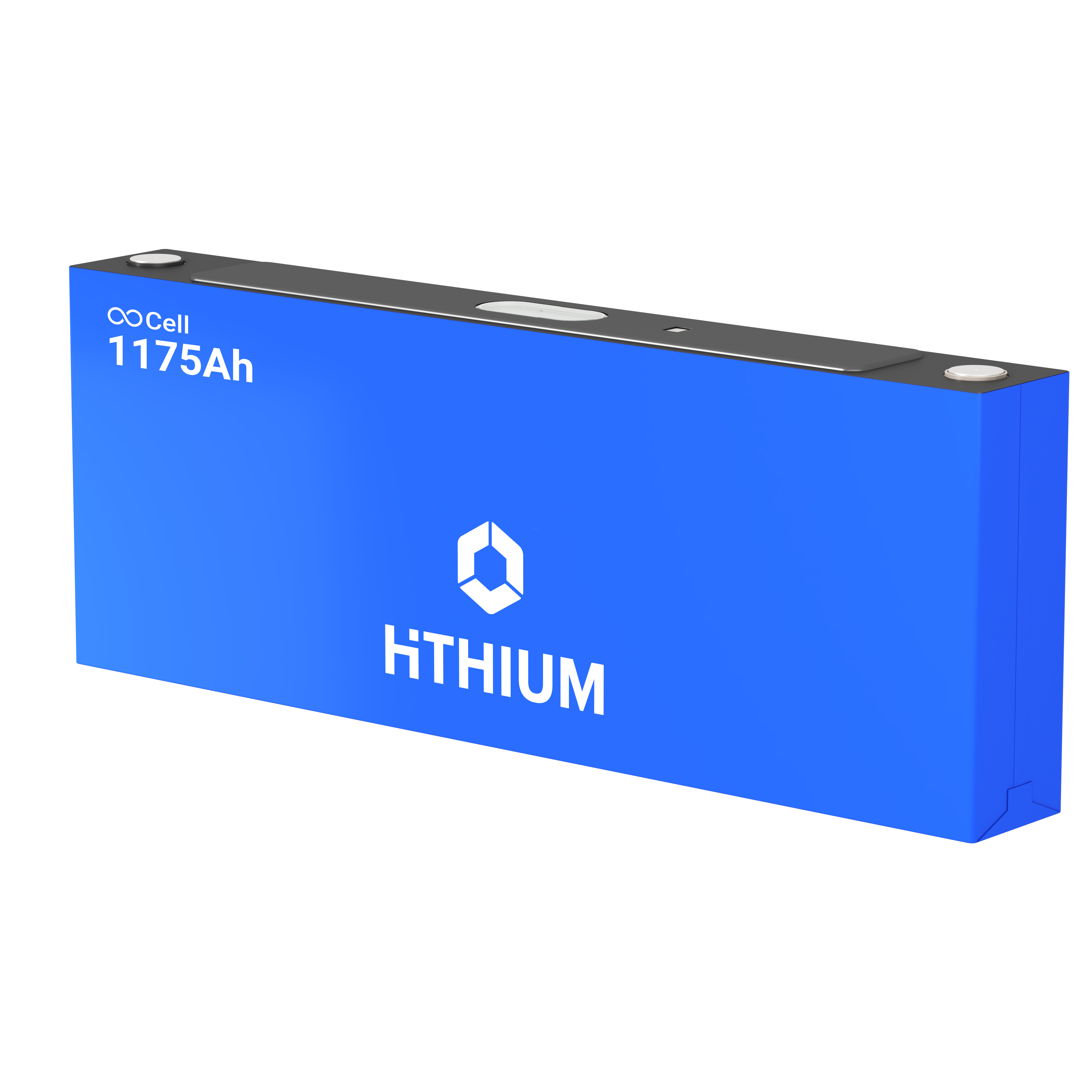
So what should you watch when choosing a partner? I use three tests. First, response under stress: prove sub‑200 ms on a step change with SCADA noisy and a comms failover active. Second, thermal truth: confirm per‑rack temperature spread stays under 5°C at 0.75C, ambient 30°C. Third, life honesty: show a real test curve—calendar plus cycle—keeping degradation under 2.5%/year at your stated duty. If a bidder ducks any of those, I move on—this isn’t my first rodeo. And if they pass, I’ve seen municipal buyers in the Highlands add 6–8% to net margin within a quarter by stacking regulation, intraday spread, and local VAR support with one control plan. That’s the gap between “a battery on paper” and a plant the crew trusts. For naming names and deep dives, I’ve leaned on build sheets and field notes from teams like HiTHIUM—quietly competent, which suits me fine.