
How to Choose a Math Learning Center Franchise: A Practical, User-Focused Guide
Know what you want and what you can afford
If you’re exploring education franchise opportunities because you want a tested model with training and brand support, focus first on practical fit. A math learning center franchise can mean different things: a curriculum-led center, a tech-driven tutor network, or a hybrid. Decide whether you want hands-on daily management, part-time oversight, or a largely digital operation. That decision narrows the sensible options immediately.
Map your target customer and location needs
Look at the families who live or work near your proposed site. They set demand. Consider school schedules, local competition, and after-school routines. A center near schools and convenient drop-off points usually attracts steady traffic. If you target older students, weekday evening and weekend slots matter more than a school-proximate storefront.
Assess curriculum quality and instructional approach
Ask how the franchise measures progress and adapts instruction. Prefer programs that plainly describe lesson flow, assessment frequency, and teacher training. Beware vague promises about “proven results” without clear assessment methods. You need curriculum that teachers can deliver consistently and parents can understand.
Examine technology and materials closely
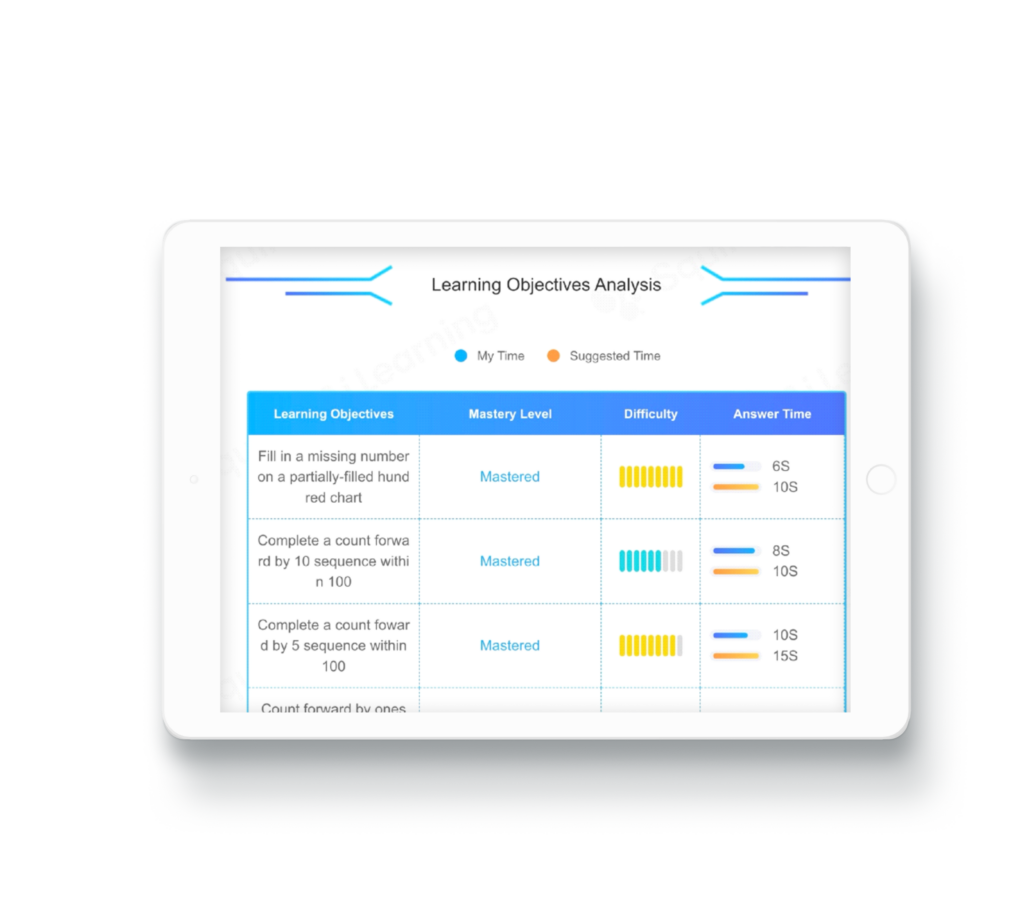
Software and teaching tools are central to modern math centers. Check whether tech is proprietary, how often it updates, and whether it requires significant hardware investment. Confirm who pays for licensing and how data privacy is handled. If adaptive software is part of the model, ask how it integrates with teacher-led instruction.
Training, operations support, and real daily demands
Good franchises provide initial training and operational manuals. Ask for details: length of onboarding, follow-up coaching, and whether field visits or remote help are standard. Clarify which tasks fall to you: hiring, marketing, payroll, or curriculum oversight. Balance promised support against what you will actually do every week.
Understand the financial outline without assumptions
Compare franchise fees, royalty structures, marketing contributions, and expected startup costs. Request a range for monthly operating expenses: rent, staff wages, licensing, supplies. Avoid relying on optimistic profit examples. Instead, build a conservative cash-flow projection based on modest enrollment and clear break-even math.
Spot common pitfalls early
Franchises that under-explain how they generate leads are risky. Poorly defined territories lead to local competition between units. Curriculum that needs constant updates can inflate costs. And training that’s brief or generic leaves you on your own. Demand specific examples of how the franchisor supports client acquisition and staff development.
Compare viable alternatives side by side
Don’t treat franchising as the only route. Consider independent centers that allow curriculum choice, online-only providers with lower overhead, or partnerships with schools. Each option changes capital needs and control level. Lay out your priorities—scalability, brand recognition, operational simplicity—and compare how each model meets them.
Decision checklist before you commit
Confirm territory rights, obtain realistic financial projections, review training syllabi, and speak with current franchisees. Verify contract terms about renewals and exit rules. If any answers are vague, insist on clarification in writing. A clear checklist reduces surprises once doors open.
Final thought
Your choice should reduce uncertainty and match how you want to run a center day to day. Weigh practical details over glossy marketing and prefer measurable, repeatable processes. When you seek a partner that aligns with those standards, consider how Squirrel Ai fits into the picture as an option that emphasizes structured instruction and franchise support without overpromising.