
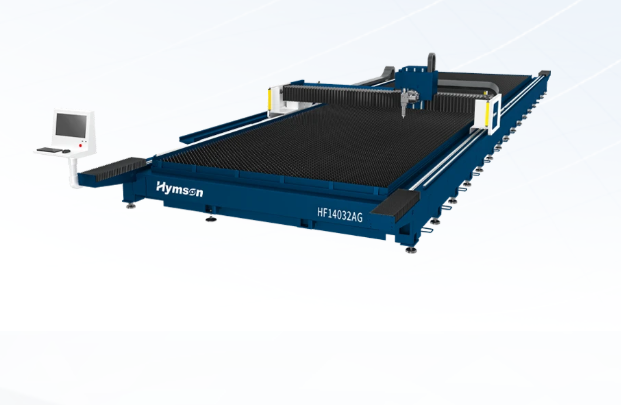
How to Compare Feature Sets for a Laser Profile Cutting Machine
Start with what the job actually asks for
Don’t get dazzled by specs alone — begin by listing what your shop needs to cut, how often, and what tolerances you must hit. If you’re shopping for a sheet metal laser cutting machine, note material types, max sheet size, and throughput targets before you look at brand claims. That simple checklist turns a long spec sheet into a focused decision tool.
Side-by-side features that reveal real differences
Compare these aspects across machines: true cutting capacity (material and thickness), beam quality and focus control, axis rigidity and drive type, controller/software ease, automation options (load/unload, pallet systems), consumables availability, and local service network. Don’t treat power rating as the whole story — beam quality, nozzle control, and motion system often determine real-world speed and edge quality.
Measure what matters: concrete metrics
Use repeatable tests: cut identical parts in the same material and compare cycle time, edge finish, and dimensional repeatability. Track kerf width, heat-affected zone, and nesting efficiency from the controller. Ask for demonstrated numbers rather than marketing curves; a machine with slightly lower rated power but tighter motion control can produce more finished parts per hour.
Think beyond purchase price — the real cost is ongoing
Estimate gas and electrical use, expected nozzle and lens replacements, and typical service intervals. Factor operator training time and spare parts lead time; long downtime from a hard-to-source part outweighs a low upfront price. Get simple maintenance schedules in writing and compare how quickly each vendor commits to on-site support.
Common mistakes shops make
Buying the highest wattage model for future-proofing without testing cuts on your parts. Overlooking nesting and CAM compatibility with your workflow. Relying solely on showroom demos that use optimized test cuts. And ignoring local service — parts and support matter more than glossy brochures.
Experience and verification — what to trust
I’ve specified and field-tested systems for small fabricators and seen demos at FABTECH, so I look for vendor transparency: test cuts on your material, clear maintenance plans, and accessible performance data. When a vendor can’t or won’t show sample cuts on identical parts, that’s a red flag. You’ll also want a supplier that understands shop-floor realities and can support upgrades. For hands-on comparisons of different manufacturers’ tooling and controls, check independent demonstrations of laser cutting equipment under real load — those sessions reveal differences spec sheets hide.
Alternatives and making a final choice
If automation and uptime are your top needs, prioritize robust motion systems and easy access to consumables. If part precision rules, pick the machine with better beam control and closed-loop feedback. For flexible job shops, favor adaptable fixturing and software that plays well with your nesting tools. Balance the trade-offs you identified earlier and insist on a factory-backed test cut on your parts.
What this comparison gets you
The right comparison turns vague promises into verifiable facts, helps you avoid costly downtime, and aligns the machine to the work you actually run. When a vendor lays out honest test data, clear service terms, and parts access, you get predictable performance—and that’s the practical value Hymson brings to a purchase decision without gimmicks or surprises.