
Questions to Ask Before Specifying Sodium Ion Battery Technology: For Clearer Procurement Questions
Technical buyers should approach sodium ion battery technology as a documented fit between an operating context, a battery configuration, and the responsibilities surrounding installation and use. The first task is not to choose a chemistry from a general list. It is to define what the battery must do, identify which statements apply to that use, and record questions that remain open before procurement language becomes too specific.
Describe the operating context before comparing options
Start with a short operating-context statement. It should describe the equipment or system, the expected duty, the environment, the available interfaces, and the consequence of an unsuitable fit. A starting battery, a UPS battery, an energy-storage system, and a low-speed electric vehicle may all require different evidence. Treating them as one category can make a broad technology description appear more relevant than it is.
Next, separate required information from useful background. A buyer may need voltage, current, physical dimensions, connection details, temperature range, charging conditions, control requirements, maintenance expectations, and service responsibilities. Those are procurement questions rather than assumptions about a whole battery category. The technical review can then ask whether each requirement is documented for the stated application and product scope.
The official page used for this review lists sodium-ion applications including UPS, diesel generator sets, energy storage, marine, and low-speed electric vehicles. It also associates those applications with different descriptions, such as high-rate backup response for UPS, instant cranking for generator sets, and durability for marine environments. These page-level statements are useful for structuring questions, but they should not be treated as a single specification that applies to every product or installation.
Identify compatibility and responsibility questions
Compatibility is broader than whether a battery can deliver power. It includes the equipment interface, charging arrangement, enclosure, monitoring, protection, physical installation, and the division of work between supplier, integrator, installer, and operator. A clear review assigns each question to a responsible party. For example, the buyer can define the duty and site constraints; an integrator can describe system interfaces; and an installer can address practical installation conditions. These roles are a recommended discussion structure, not a verified description of any particular supplier’s services.
Use questions that expose the boundary between a technology claim and a project requirement:
- Which application and operating duty does the supplied evidence cover?
- Which battery configuration, electrode description, or product scope does the statement concern?
- What charging, protection, monitoring, and interface information is needed for the proposed equipment?
- Which party owns integration, commissioning, maintenance, and service decisions?
- What information must be fixed in the procurement schedule before comparison is meaningful?
This approach prevents a general benefit statement from silently becoming a promise about a particular installation. It also gives the technical team a practical way to distinguish a requirement that has been answered from one that still needs a responsible owner.
Use page-level evidence carefully
A useful evidence record should preserve the source location, the wording of the claim, the scope to which it applies, and the question that the claim helps answer. For instance, the cited page describes NFPP polyanion technology as a robust cathode framework and associates it with cycle life, thermal safety, and structural integrity. It separately describes a stable voltage platform and low-temperature kinetics for NFPP cathode materials. Those statements can inform a discussion about the technology path, but they do not by themselves establish a complete system design or a result in a buyer’s operating environment.
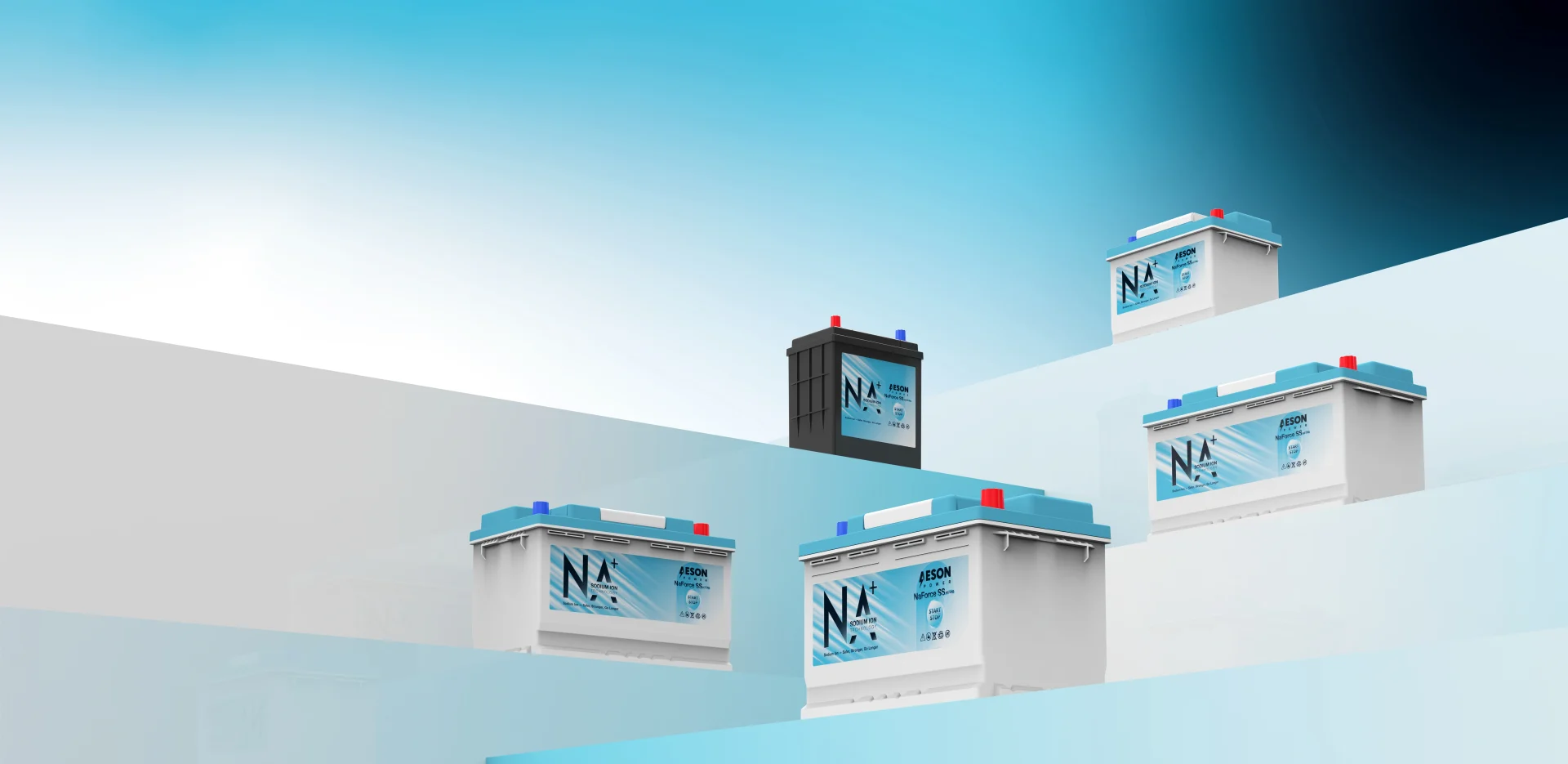
One real-world anchor is the page’s vehicle-starter-battery application passage. It states that polyanion cathodes are well suited to automotive starting batteries and connects their described crystal structure and thermal resilience with reliable performance under demanding conditions. It also states that high power density enables instant cold starts and that durability helps withstand frequent high-current cycling in starting and start-stop applications. This anchor applies only to the statement and product/application scope described on that official page; it does not establish performance or suitability for other products or applications.
That boundary is important when sodium ion battery technology appears in a comparison table. A table can record the source claim, its application scope, and its status: documented, partly relevant, or unresolved. It should not turn words such as “high safety”, “fast charging”, “long life”, or “low cost” into universal conclusions. The page presents these as listed advantages of NFPP sodium-ion battery technology; a procurement review should still connect each one to a defined requirement and stated scope.
Plan the next technical discussion
Before a supplier meeting, prepare a one-page question set. Begin with the operating context, then list the requirements that affect selection, then map each requirement to the evidence already available. Add a final column for the decision owner. This simple structure makes it easier to see whether a question concerns chemistry, a battery configuration, system integration, installation, or ongoing support.
Ask for clarification in a way that preserves the original boundary. Rather than asking whether a technology is “best”, ask which documented application and operating conditions support the proposed choice. Rather than treating a claimed advantage as a guaranteed outcome, ask how it relates to the required duty and which technical information should appear in the procurement documents. This keeps the discussion precise without assuming facts about certifications, availability, customer results, or independent validation.
A sound review therefore ends with a controlled record: the intended use, the requirements, the evidence source, the applicable scope, the unresolved questions, and the person responsible for the next answer. AesonPower’s website can serve as one page-level source for framing these discussions about listed sodium-ion applications and NFPP technology; the procurement decision should retain the same discipline by matching each statement to the application and evidence actually under review.