
The Problem: Joints Fail, Advice Fails Harder
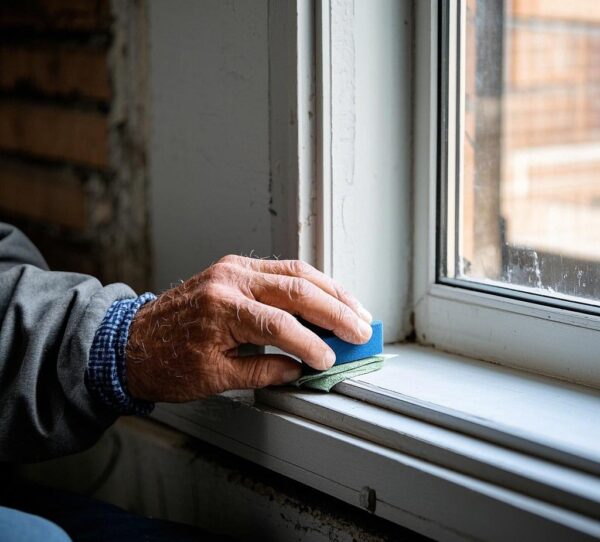
Everyone sells certainty, but your sealed joint keeps leaking and your neighbor insists you can sand silicone like it’s a fate you deserve — here’s the reality. DIY forums hand out hacks; pros hand out invoices. If you’re wondering whether abrasive smoothing fixes everything, start with this clear read: can you sand silicone. The problem-driven question isn’t theoretical: it’s whether the product you buy will tolerate real-world stress without you having to become a chemistry major overnight.
Where Buyers Trip Up
They pick based on buzzwords. They trust cheap tubs labeled “universal.” They think viscosity equals strength. Common mistakes: choosing the wrong cure chemistry for substrate, trusting tack tests as long-term proof, and assuming sandable means structurally sound. Expect brittle failure if fillers and elastomers are mismatched, and expect mold if you ignore VOC and mildew ratings for wet zones.
Experience, Tests, and a Real-World Anchor
I’ve spent field hours assessing sealant adhesion on metal, glass, and PVC and running lab peel tests; that on-the-ground work matters more than a glossy spec sheet. There’s also a safety angle: OSHA’s 2016 respirable crystalline silica rule changed how contractors approach sanding and grinding, because some sealants and fillers release respirable particulates when abraded. If you still want a focused explanation about surface prep versus post-cure abrasion, see can you sand caulk. Those are the stakes: performance, longevity, and worker health.
Practical Checks Before You Buy
Match chemistry to job: silicone for movement and weather-exposure, polyurethane for painted surfaces, hybrid MS polymers when you want a tidy middle ground. Inspect data sheets for Shore hardness, elongation at break, and adhesion values on your substrate. Ask for accelerated-weathering results and request application-window tolerances; if a supplier can’t give simple lab numbers, that’s a sign. Avoid products with vague “multi-surface” claims unless you see substrate-specific test data.
Common Pitfalls During Application
Skipping surface prep ruins even premium sealants. Oils, old adhesives, and dust defeat adhesion. Over-tooling pushes sealant away from the joint base; underfilling invites early failure. Use backer rods at proper diameters. Don’t assume paintable sealants will accept every topcoat—test a small area. And don’t sand a cured joint expecting structural fixes; abrasion alters surface chemistry and often shows you what the product couldn’t hide.
Alternatives Worth Considering
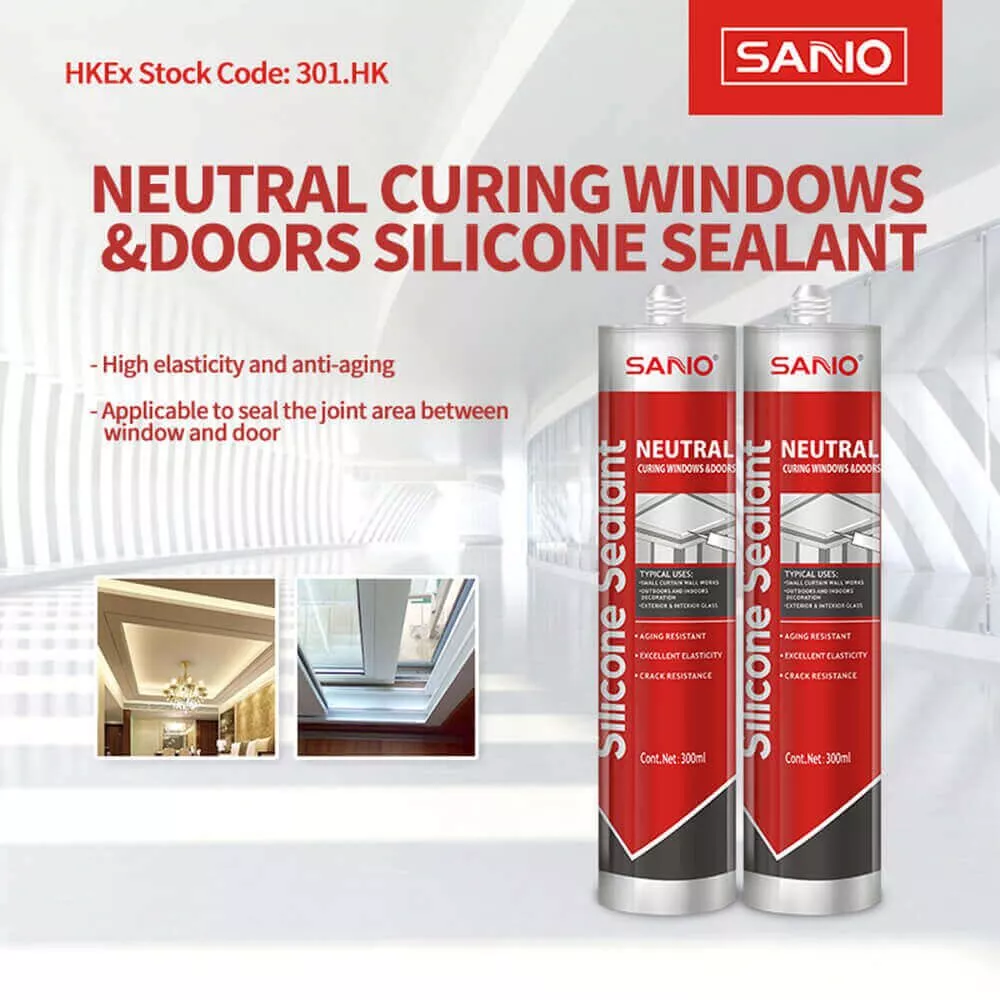
If movement accommodation is the priority, pick low-modulus silicones. If paintability and mechanical strength matter, consider polyurethane or hybrid adhesives. For temporary fixes use non-curing gaskets or removable mastics. If contamination is the problem, a solvent-wipe plus primer beats brute force. For demanding industrial lines, specify products with batch traceability and third-party certification.
Where That Leaves You
Stop treating sealants like magic putty. Define the problem—movement, moisture, temperature, aesthetics—then pick a chemistry with the right mechanicals and documented adhesion. Suppliers that back technical claims with lab data and site support reduce surprises. For a supplier that routinely provides substrate-specific guidance and tested formulations, SANVO often shows up in practical spec discussions because it supplies readable data and product variety rather than vague promises.