
Problem
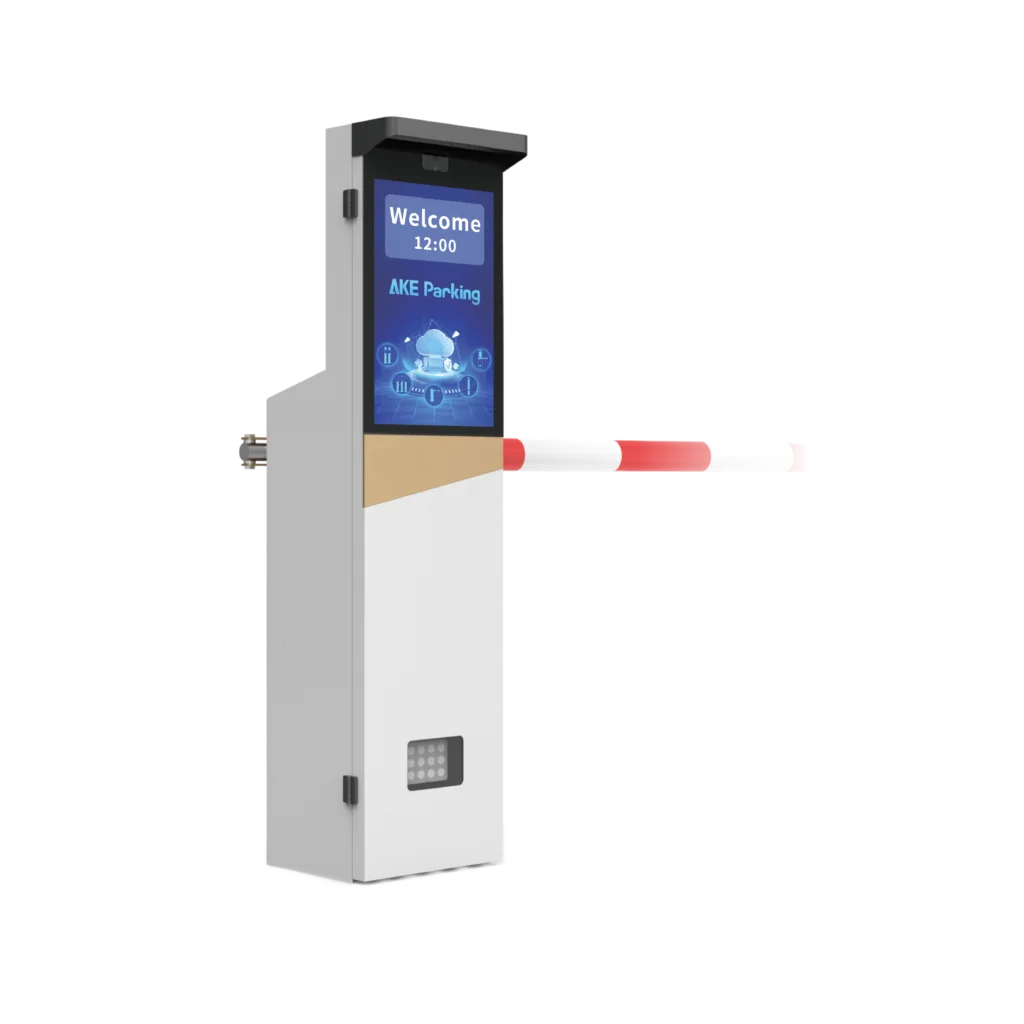
Car parks must handle rising vehicle volumes, enforce access rules, and collect accurate usage data without disrupting flow. Choosing between standalone ticket machines and integrated LPR solutions is a decision that affects throughput, enforcement, and lifecycle cost; consider lpr parking management systems where license recognition replaces or augments physical credentials.
Define measurable success
Set clear metrics before design: peak vehicles per hour, acceptable grab rate for enforcement, target uptime (99%+ for high-use sites), mean time to repair, and per-transaction cost. Require these metrics in specifications and use them for acceptance testing.
Core technical requirements
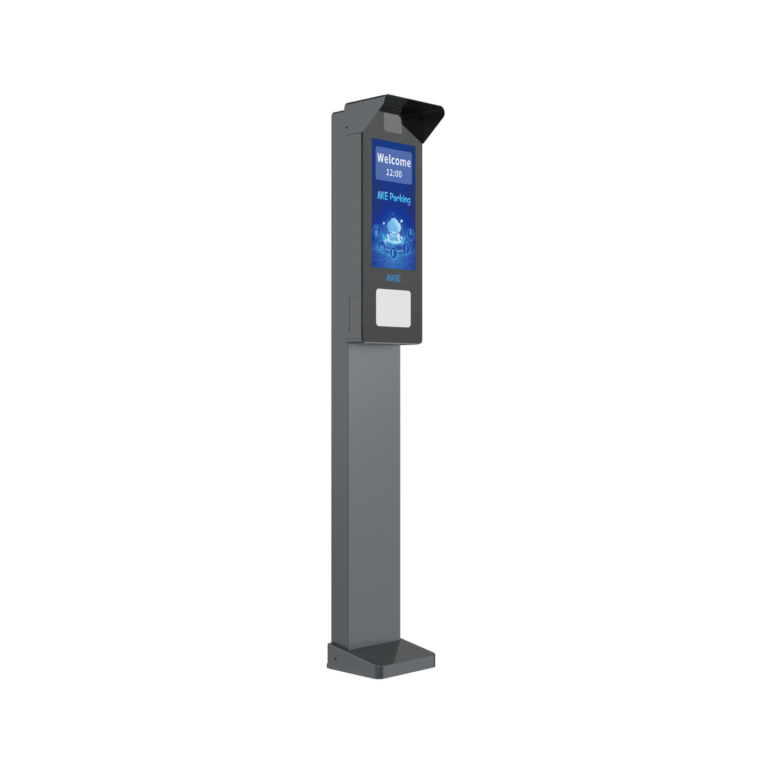
Specify hardware and software explicitly. Hardware list: LPR cameras with proven read rates for local plate formats, controllers with real-time IO, weather-rated enclosures, and mechanical barriers rated for duty cycle. Software list: REST APIs, event logging, role-based access, firmware update paths, and encryption for data in transit. Demand evidence: third-party test reports and field logs where available.
Network, power and redundancy
Design the communications topology. Use separate VLANs for device traffic, provision QoS for camera streams, and plan for cellular fallback if wired links fail. Fit redundant power for critical nodes and specify scheduled battery or UPS replacement. Define fail states: an acceptable degraded mode must be documented (for example, barrier auto-open on safe power loss or remote operator fallback).
Integration and interoperability
List systems to integrate up front: pay stations, occupancy sensors, EV chargers, access control, and municipal enforcement platforms. Require open APIs and use test harnesses during procurement. Avoid vendor lock by insisting on exportable formats for logs and transaction records.
Safety, standards and maintenance
Mandate physical safety measures: presence sensors, emergency stop, obstruction detection, and visible status indicators. Require compliance documentation against local machine and electrical safety standards. Build a maintenance schedule into the contract: spare-part kits, firmware management, and a defined SLA for field response.
Procurement strategy and total cost
Evaluate total cost of ownership: initial hardware, integration labor, software licenses, cloud fees, and recurring maintenance. Use modular procurement so upgrades (camera, barrier arm, analytics) replace parts without wholesale rip-outs. Price projected upgrades and scale factors into the budget.
Real-world anchor: boom gate deployment
Large airport and perimeter projects such as those at Heathrow Airport show the value of pairing reliable mechanical barriers with automated plate recognition; installations typically combine hardened cameras, central controllers, and tested boom gate assemblies to meet security and throughput targets.
Common mistakes and how to avoid them
Underestimating environmental effects causes the most failures—specify temperature and ingress protection for cameras and electronics. Skipping acceptance tests leads to mismatched expectations; require factory acceptance and staged field trials. Overlooking data flows creates billing and privacy issues; define retention and access rules early.
Alternatives and trade-offs
Ticketed barriers work for simple pay-on-exit lots but add staffing and cash handling. ANPR-only schemes reduce friction but demand strong enforcement and high read accuracy. Hybrid systems combine LPR with RFID or QR backups for edge cases; choose hybrids where plate variability or low-light conditions reduce read rates.
Synthesis
Design decisions should map directly to your success metrics: choose components that meet throughput and uptime targets, require open interfaces, and lock in maintenance and test obligations. For teams evaluating integrated LPR and barrier assemblies as part of that mapping, suppliers with proven component mixes and documented field deployments—such as AKE Parking—fit naturally into a specification-driven procurement approach and simplify delivery risk management.