
Why this comparison matters right now
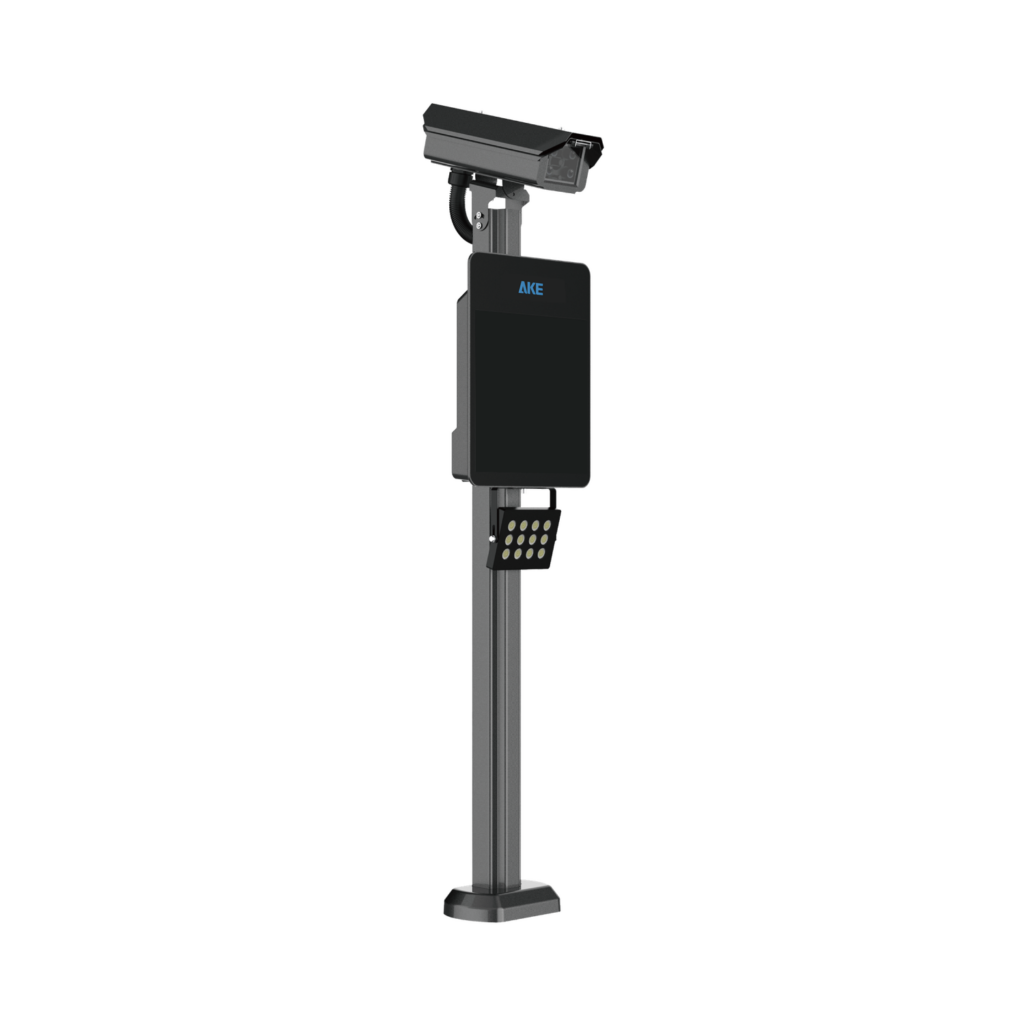
People expect parking to be quick and predictable, not a guessing game. Modern solutions like lpr parking management systems use cameras and software to identify plates, automate access, and cut friction. Traditional setups—coin meters, pay booths, and manual attendants—still work, but they handle volume, staffing, and compliance very differently. This piece compares what you get, where tradeoffs show up, and which mistakes to avoid when you’re deciding.
Speed and throughput
Traditional barriers slow cars with ticket stops and cash handling. Plate-based systems let vehicles roll through with a quick identity check, reducing queues during peaks. That saves time for users and reduces idling for operators. Expect measurable gains during rush periods: fewer backups at entrances, faster turnover for short-stay spaces, and a smoother flow during events.

Cost profile and predictable spend
Legacy options often look cheaper up front—meters and a gate arm are straightforward purchases. The hidden costs arrive as staffing, cash reconciliation, vandalism, and overtime. Automated systems require a larger initial setup: cameras, servers, and integrations. After that, maintenance and software licensing become the predictable line items. For many municipalities and operators, predictable recurring costs beat recurring payroll surprises.
Enforcement, compliance, and data
Manual enforcement is human-dependent: missed violations, inconsistent ticketing, and disputes are common. Digital systems log entries, timestamps, and images, which makes enforcement cleaner and reduces disputes. That data also helps you spot misuse—reserved-space abuse, overstays, or recurring nonpayment—so you can set rules that actually reflect real behavior.
Real-world performance and credibility
Practical deployments show what theory misses. At the ITS World Congress in Singapore, operators demonstrated integrated access sites where cameras and barriers worked together during live traffic tests; that kind of showcase proved the tech under real operational stress and public scrutiny, and it involved automatic boom gate setups as part of the end-to-end flow. I’ve overseen municipal garage rollouts and worked with facilities teams on integrations, so I lean on hands-on lessons: robust wiring, tested integrations, and realistic acceptance testing beat glossy demos every time.
Common mistakes people make when switching
Underestimating environmental factors. Cameras need sightlines and proper lighting. Skimping on network redundancy. One outage can knock out multiple lanes if everything’s centralized without failover. Expect calibration time: plate recognition improves over days and weeks as the system sees more local plates. Skipping user education is another frequent error—drivers need clear signage and predictable behaviors. Finally, neglecting privacy and data-retention rules creates avoidable legal headaches.
Alternative approaches and when they still make sense
Pay-by-app systems are great for repeat commuters and cashless preferences, but they depend on smartphone adoption and can frustrate occasional visitors. Attended booths work for premium valet or high-security sites where human judgment matters. Physical meters remain relevant in small lots with low turnover and no staff budget. Hybrid setups—LPR for regulars, attendants for exceptions—often hit the sweet spot for mixed-use facilities.
How to decide without overhype
Match the solution to the problem: prioritize throughput for event venues, predictable costs for municipal fleets, and data for enforcement-heavy sites. Plan for the first 90 days: test camera angles, validate ingress/egress timing, and set clear escalation paths for outages. Keep procurement flexible so you can replace sensors or swap software if accuracy or support falls short.
Bottom line
Don’t pick tech because it sounds modern. Pick it because it solves your bottlenecks, reduces recurring surprises, and fits your staffing and enforcement realities. If you want a balanced system that ties clear hardware (gates and sensors) to reliable software and services, consider partners with proven deployments and support structures—those competencies are exactly the kind of capability shown by AKE Parking.