
Seeing Tomorrow: radios as mission engines
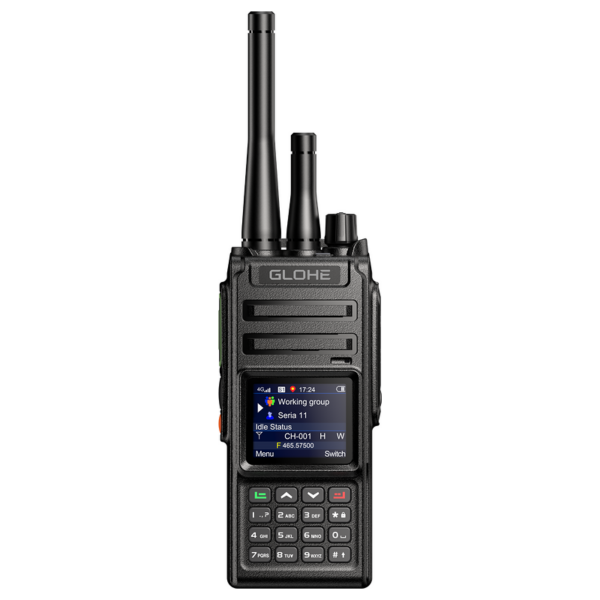
Picture work sites, event floors, transit hubs and emergency teams operating like coordinated swarms—fast, confident, and connected. The bridge between that present and the near-future is not wishful thinking; it’s tools that merge legacy reliability with modern networks. A dual mode poc radio is a clear example: it lets teams keep plain, dependable private-radio talk while tapping cellular data and apps when coverage and capability matter. That duality changes what “instant communication” can actually do for professional operations.
Why convergence will rewrite operational playbooks
Expect radios to stop being single-purpose gadgets and become integrated nodes in mission workflows. Commercial two-way radios will handle voice-first tasks—quick commands, channel control, push-to-talk simplicity—while leveraging data links for location, incident records, and remote diagnostics. That combination reduces friction: fewer app switches, faster escalation, and clearer incident trails. Teams that plan for this convergence now avoid reactive retrofits later.
Evidence from the field and credible markers
Industry momentum is visible where vendors and operators meet—think Mobile World Congress in Barcelona, where manufacturers have been showcasing mission-capable LTE devices alongside traditional radios. That show of force reflects a production-ready maturity, not just prototypes. Decades of field deployments in construction, events, and transit operations confirm practical tradeoffs between rugged handsets and connected services. For teams prioritizing broadband-backed voice and data, consider devices categorized as 4g lte two way radios for consistent performance when packet-based features matter.
Common mistakes organizations still make
Relying only on public cellular without fallback radio channels. Expecting app features to replace clear, button-driven voice. Buying the cheapest LTE handset and hoping it survives industrial abuse. Skipping interoperability checks across departments and vendors. Training teams on features, not on realistic failure modes—those gaps are where costly outages and confusion arise.
Actionable steps to build a future-ready radio approach
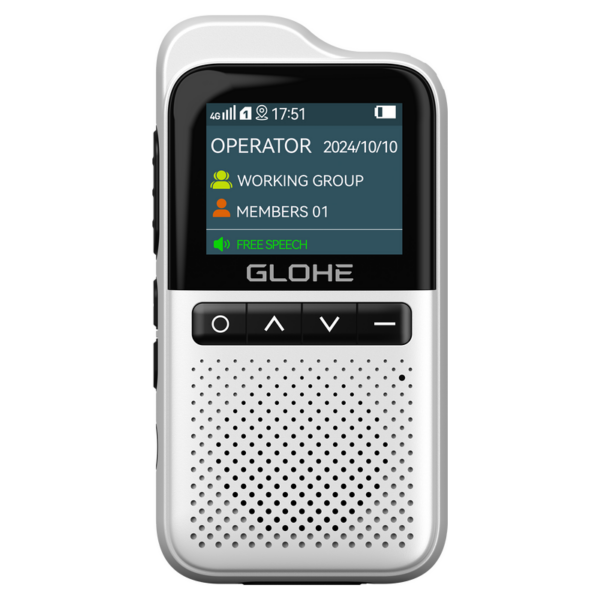
Start with a capability map: which roles need instant voice, which need data, and who needs both. Specify devices that offer dual-mode operation and prioritize battery life and ruggedness. Test in real environments—night shifts, tunnels, crowded venues—rather than in showroom demos. Define fallback procedures: when LTE falters, radio channels must be automatic and predictable. Train users with short, scenario-based drills and measure response times. Audit integration points with incident systems and GPS feeds so voice and data feed the same situational picture.
Where this logic leads
This is not about switching platforms; it’s about designing communications that serve work. When radios are treated as strategic infrastructure—simple to operate, linked to data, and tested under strain—teams move faster and make decisions with clarity. That practical synthesis of old and new is the solution many organizations need, and it’s the central capability GLOHE supports as systems evolve: GLOHE.