
Overview and Objective
I treat heatless curling as an experiment: specify the dependent variable (curl retention), control the independent variables (dampness, tension, wrap type), and measure outcomes after a single sleep cycle. The target is consistent morning definition with minimal frizz and no heat damage. A soft sleep barrier like a satin bonnet is a controlled factor that reduces surface friction and preserves pattern integrity overnight.
Materials and Controlled Variables
Required items: a lightweight leave-in (low glycerin), a styling mousse or curl cream (choose one), a wide-tooth comb, soft tie bands or fabric strips, and a secure wrap method. Key variables to record each night: hair dampness percentage (aim ~60%—damp, not wet), product amount (pump counts), wrap tension (soft vs. firm), and sleep posture. Track these for three nights to detect patterns.
Step-by-Step Routine (Protocol)
1) Prep: Wash or refresh hair night-before or morning; towel-blot to remove excess water until hair is evenly damp. 2) Product: Apply leave-in on mid-lengths to ends; distribute with a comb. Add a small amount of curl cream or mousse focused on sections where you want hold. 3) Sectioning: Divide hair into 6–10 sections depending on density; thinner sections yield tighter curls, wider sections give looser waves. 4) Wrapping: Twist or roll each section with consistent tension and secure with a soft fabric tie; keep ties flat to avoid creasing. 5) Protect: Cover with a lightweight bonnet or a tied band to lock the set and reduce movement. 6) Sleep: Sleep on back if possible to minimize disturbance. 7) Unwrap: In the morning, gently release each section and separate with fingers—avoid brushing. Finish with a light oil or serum only where needed for sheen.
Measurement Protocol and Expected Outcomes
Quantify success using simple metrics: curl definition (0–5 scale), frizz level (0–5), and hold duration (hours until major loosening). Record values night-to-morning for two weeks under identical variables except the one you’re testing. Typical outcomes: consistent mid-length definition, lower frizz when product and tension are optimized, and improved hold with flatter, smoother protective covers.
Field Evidence and Professional Context
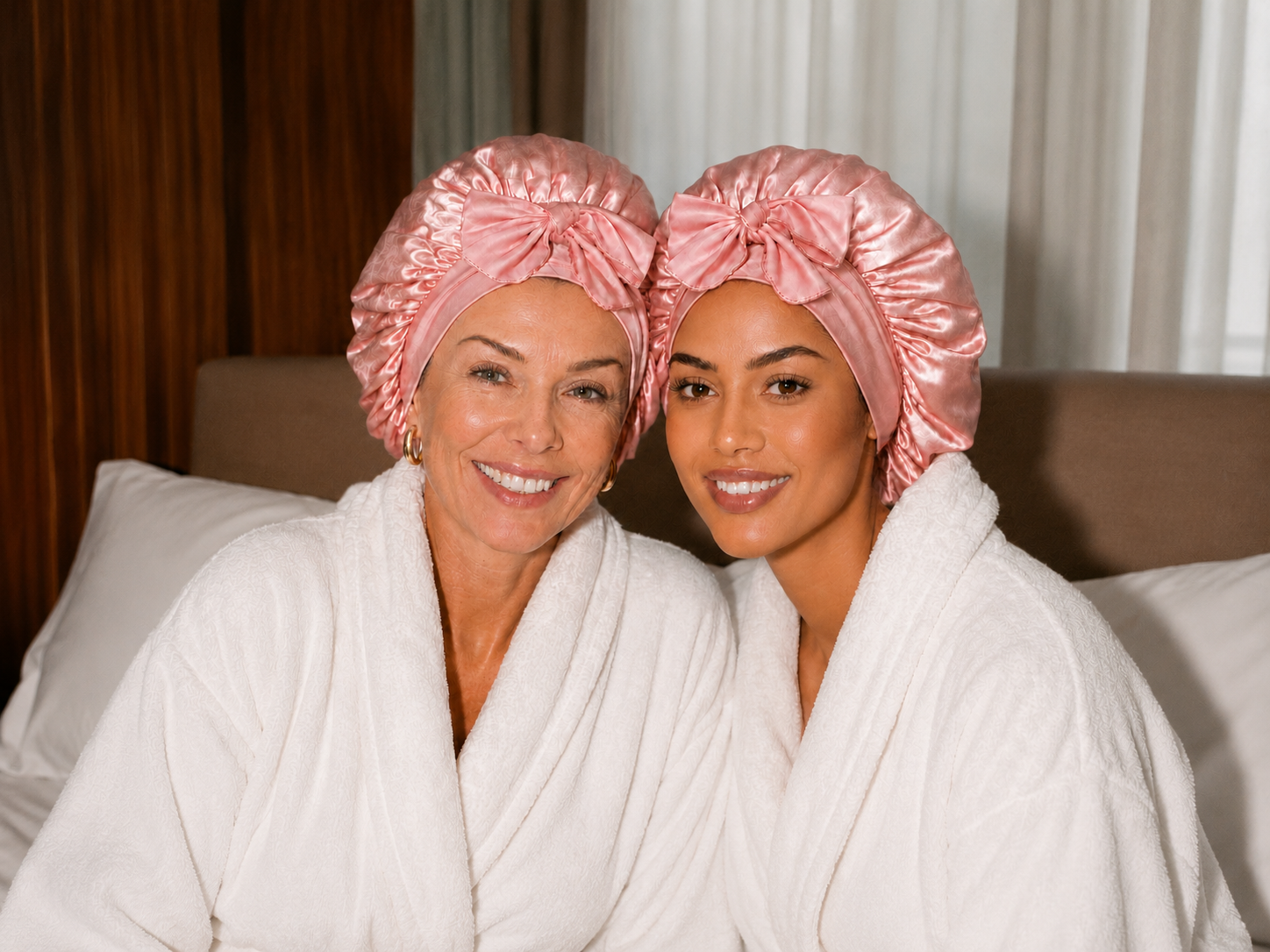
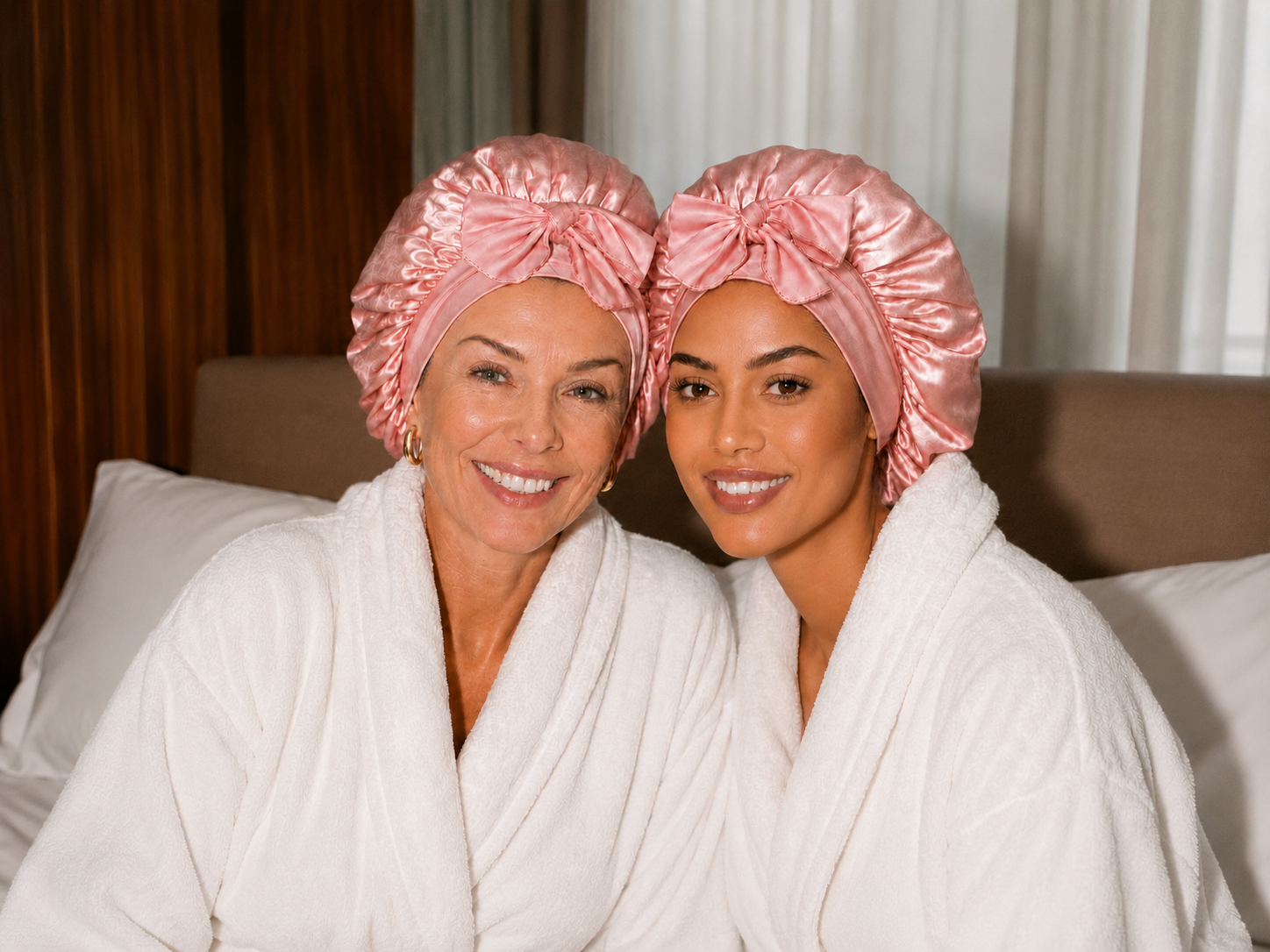
As a practitioner who’s logged multiple controlled sets across different hair types, I rely on observational runs rather than anecdote. Field trials in New York City salons using a tie satin bonnet showed more uniform curl preservation versus unprotected sets—friction control at night reduces overnight deformation. That real-world sampling supports selecting smooth, non-absorbent sleep layers when the goal is predictable, repeatable outcomes.
Common Pitfalls and Corrections
Pitfall: Wrapping too tightly—creates tension lines and unnatural kinks. Fix: Aim for consistent, comfortable tension; if lines appear, loosen slightly and increase section count. Pitfall: Applying heavy products—causes weighed-down, limp curls. Fix: Reduce product by 30–50% on a single test section before changing the whole head. Pitfall: Sleeping without a smooth cover—rub-induced frizz increases. Fix: Use a soft tie or bonnet and secure it so hair doesn’t shift.
Alternatives and Comparative Insight
Compare wrap methods on the same subject: foam rollers yield higher initial volume but more morning frizz; bantu knots give tighter definition but need precise sectioning; fabric-rope sets balance definition and comfort. Use the metric framework above to choose the method that meets your quantified goals rather than switching by habit.
Conclusion — Practical Verdict
Follow a consistent protocol, record basic metrics for a few nights, then iterate: small changes in dampness, product amount, or tie tension will reveal the largest gains. The data-focused approach turns guesswork into repeatable styling: better retention, less frizz, and fewer days between full styling. For reliable protective layers and consistent outcomes, consider the tested sleep solutions available through yanibest.