
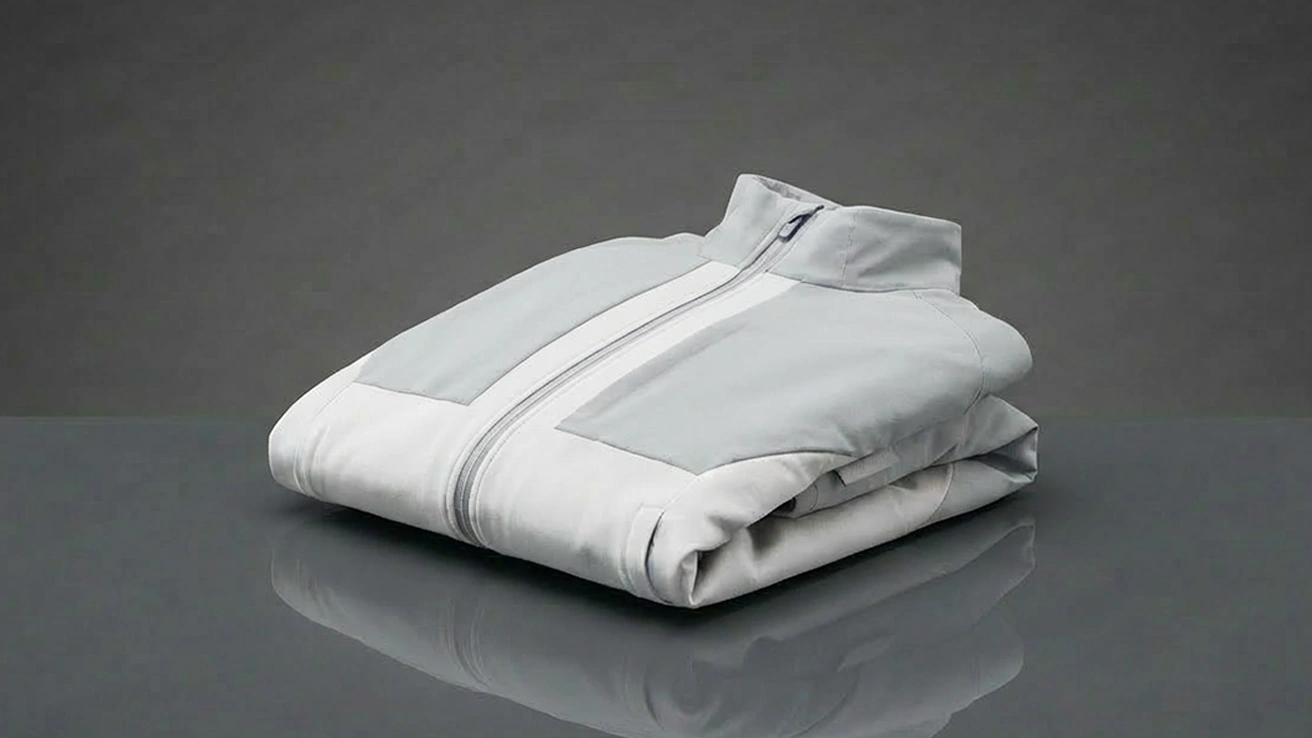
Comparative opening: why boot-lining logic matters at altitude
The mountain wind does not negotiate; it scours and steals heat with a strict arithmetic. In comparing panel geometries, the snug layered logic of boot lining—stitching warm pockets to resist conductive and convective loss—becomes a useful blueprint for high-altitude tent protection panels. Here I contrast practical material layouts and point toward thermal insulation solutions that mirror that compact, zone-focused approach. The aim is simple: keep core warmth where humans need it, and shed kinetic assault where structure must breathe.
Design axes to compare
When evaluating materials for tent protection panels, weigh three axes: thermal performance, moisture control, and mechanical resilience. R-value captures thermal performance; vapor barrier strategies and breathable membranes control moisture; and tear strength or fatigue resistance covers mechanical resilience. Matching these axes to a boot-lining mindset means placing a warm, compressible core where occupants sit, a damp-control layer outward of that, and a hard-wearing shell to face abrasion and ice. These decisions change how panels are stitched, welded, or bonded—production patterns borrowed from footwear linings translate well here.
Material candidates and the trade-offs
Consider four common layouts, each evoking a type of boot lining.
– Closed-cell foam core with a reflective foil inner face: excellent compressive warmth and low moisture uptake; low bulk but limited breathability. Useful for vestibules and floor panels where contact heat is crucial.
– Synthetic insulating fill (hollow fibers) quilted into compartments: soft, conforming, forgiving against compression. It performs in mixed-load scenarios but risks loft loss unless contained.
– Aerogel blankets combined with an outer textile shell: unmatched R-value per thickness, fragile unless reinforced. Best where thinness and high thermal break are required—helmet liners, small door panels.
– Multi-layer composite: thin insulating liner, vapor-control membrane, and a tough outer fabric for abrasion resistance. This is the closest analogue to a multi-layer boot lining and provides balanced performance for wall panels.
Each option shifts the panel’s thermal break and moisture strategy; choose based on expected humidity cycles and expected compressive loads.
Production pitfalls and common mistakes
Many teams copy a material that “worked” for sleeping bags and assume the same outcome in vertical panels. That misstep ignores directional loads and wind-driven water intrusion. Another frequent error: ignoring seam detailing—simple taped seams or poorly designed channel quilting create cold paths. Field teams operating above 5,000 meters—Everest Base Camp experiences and Antarctic field camps attest to this—report that a single seam failure can erase the gains of even high-R-value inserts. Practical experience is the EEAT anchor: practitioner-tested fixes often begin with improving seam tape adhesion and choosing breathable membranes in damp-prone routes.
How to match layout to mission: side-by-side logic
Match mission profile to panel layout using three quick checks: expected condensation load, typical abrasion exposure, and space/thickness constraints. For a sled-borne research tent with frequent gear contact, prioritize an outer abrasion layer and a replaceable insulating liner. For alpine summit tents where weight and pack thickness dominate, a thin aerogel sandwich may win despite higher cost. For long stints in semi-permanent camps with meltwater cycles, emphasize vapor control and the ability to dry components in place.
Alternatives and a practical routing
Alternatives that deserve mention: modular interchangeable liners (so a base panel stays, and insulating layers swap seasonally) and hybrid quilting that isolates high-compression zones while preserving loft elsewhere. Field crews often pair these choices with specific insulation options—for instance, an insulating liner in the vestibule combined with a reflective inner face on walls—thus creating targeted protection without overengineering the entire shell.
Golden rules for selection
Evaluate any design by three concrete metrics: measurable warmth retention (test R-value in situ for the panel assembly), moisture management (time-to-dry after saturation), and repairability (hours required in the field to restore panel function). These are the golden rules: they generate predictable outcomes and let teams quantify trade-offs before committing to vendors or production runs. Practical results point toward panels that blend a boot-lining logic—zoned warmth, layered vapor control, and a tough exterior—as the best way to preserve life and kit at altitude. Y-Warm. —