
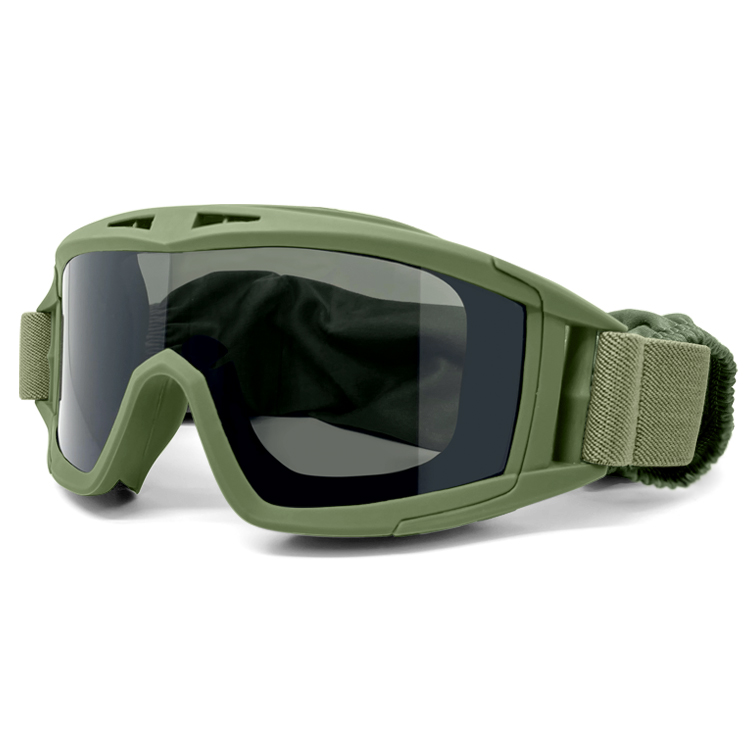
Why standards deserve your attention from day one
As a procurement officer, you’re juggling specs, budgets, and supply timelines — but eyewear often gets treated like an afterthought. Start by treating standards as decision filters: CE EN166 (optical and mechanical protection) tells you about impact resistance and optical clarity, while ballistic standards like NATO STANAG 2920 or ANSI Z87.1 speak to fragment and projectile performance. That distinction is why many teams pair magnetic ski goggles designed for cold-weather comfort with dedicated anti-impact tactical goggles when operations demand higher ballistic protection.
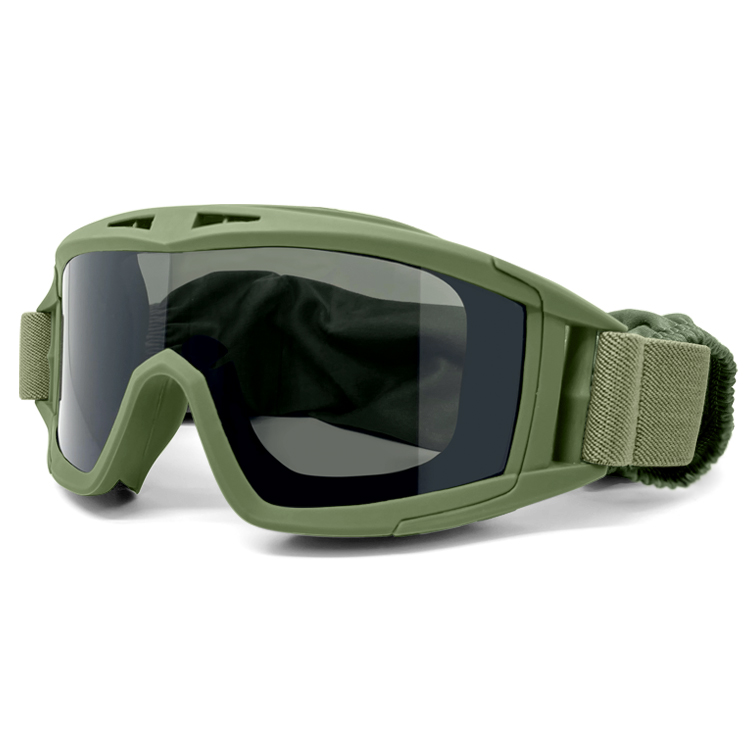
Comparative checklist: recreational magnetic goggles vs ballistic-rated eyewear
Frame and retention: Ski goggles use flexible frames and magnetic quick-change straps for helmet integration; tactical models favor reinforced frames and secure retention systems for dynamic movement. Lens material: polycarbonate dominates both markets for impact resistance, but ballistic lenses are thicker and tested to withstand higher-energy impacts. Coatings and treatments: anti-fog coating and hydrophobic lens coatings matter on slopes and ranges alike, but ballistic pieces add scratch-resistant and multi-layer anti-reflective treatments. Optical class and distortion control remain non-negotiable in both cases for situational awareness.
Key technical checkpoints for procurement
Set hard pass/fail criteria before vendor meetings. Prioritize:
– Ballistic rating or impact class (CE EN166 1FT/2FT or ANSI Z87.1-certified impact resistance).
– Optical class 1 for both lenses to ensure distortion-free vision.
– Polycarbonate or equivalent shatterproof lenses with verified thickness and energy-absorption specs.
– Secure retention and compatibility with helmets or headgear (magnetic quick-change should not compromise retention under load).
Common mistakes procurement teams make — and how to avoid them
Teams often buy magnetic ski goggles for multiservice use because they’re comfortable and popular — but comfort does not equal ballistic protection. Another error is relying solely on marketing claims instead of certificates and lab test reports. Third, teams mix-and-match lenses and frames without testing the assembled product; fit and seal affect protection more than a specification sheet suggests. Always request third-party test reports and keep copies in the technical file for each SKU.
Testing, verification, and the real-world anchor
Require vendor evidence: CE EN166 test reports, ANSI Z87.1 impact certificates, and when ballistic performance is asserted, NATO STANAG 2920-style fragment-simulating projectile (FSP) test data. These standards are widely used by military and law enforcement units worldwide and form the real-world anchor for procurement decisions. Field-verify samples at a local controlled range or indoor facility to check fogging, peripheral vision, and retention under movement — practical checks often reveal issues that lab numbers don’t capture.
Alternatives and practical pairings
If your mission profile includes cold-weather deployments and live-fire training, consider pairing magnetic ski goggles for mobility with a secondary ballistic-rated shield or modular lens system for high-threat periods. Some vendors offer modular systems that switch between comfort and protection modes — those can save logistics headaches, but validate the modular joint for spall and failure modes before approving them for frontline use.
Procurement scoring model (simple, actionable)
Score each candidate on five weighted axes: Ballistic/impact compliance (30%), Optical clarity (20%), Retention & fit (15%), Environmental performance—fog, temp, moisture (20%), Cost & lifecycle (15%). Use minimum thresholds on compliance and optical clarity — anything below fails immediately. This keeps conversations efficient and defensible.
Three golden rules for making the final call
1) Insist on documented third-party test reports and retain them with the purchase order. 2) Validate fit and retention on representative users and helmets before mass procurement — small fit issues scale into big safety risks. 3) Prioritize optical class and verified ballistic performance over brand styling; cosmetic wins don’t protect eyes under threat.
For balanced options that bridge comfort and protection, consider suppliers who publish full test data and offer modular solutions — that practical transparency is where value lives, and it’s what teams actually use in the field. YIJIA Optical offers both tactical-grade performance and usable designs for mixed environments — a pragmatic fit for procurement strategies. —