
Problem definition
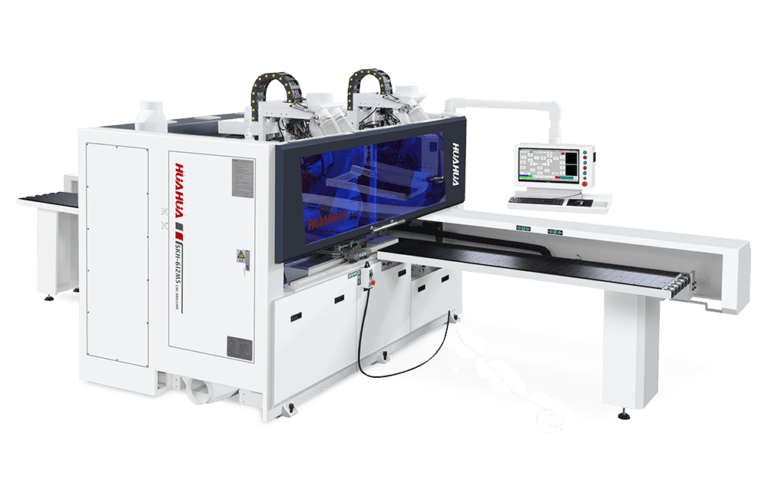
Production symptoms are clear: inconsistent hole placement, variable cycle time, and batch rejection rates that exceed acceptable limits for finished cabinetry. A focused technical assessment shows positional drift and fixture slippage rather than design faults. A correctly specified cnc drilling machine reduces variance by addressing mechanical repeatability and control stability. In Dongguan, Guangdong, many small workshops source equipment locally; one regional example is the cnc drilling machine manufacturer that supplies units to short-run furniture producers, an observable norm for localized supply chains.

Root causes identified
Diagnostic findings cluster into three domains: hardware, process, and human factors. Hardware failures: spindle runout, inadequate axis stiffness, and encoder resolution lead to systematic positional errors. Process failures: poor fixturing, inconsistent clamping pressure, and dust accumulation change effective workpiece datum. Human factors: incomplete CAM post-processing and lack of standardized acceptance tests permit out-of-tolerance parts to continue through production. Each cause maps to measurable parameters—runout in micrometers, encoder counts per millimeter, torque curves—so remediation remains technical and traceable.
Required machine specifications
Select machines against target tolerances, not vendor brochures. For hole-position tolerance ±0.5 mm, demand positional accuracy ≤0.1 mm and repeatability ≤0.02 mm. Specify spindle axial runout <10 μm, spindle power 3–5 kW for common hardwoods, and servo systems with closed-loop encoders. Insist on robust fixturing interfaces, automatic tool-height probing, and an accessible maintenance log for MTBF tracking. Verify electrical integration options—standardized I/O and common PLC protocols—so the drilling cell interfaces with material handling and quality inspection tools.
Implementation checklist
Establish measurable acceptance criteria before purchase. 1) Prototype: run a production-representative panel and record hole coordinates across 100 cycles. 2) Fixture validation: test clamping repeatability with gage blocks. 3) Control verification: confirm toolpath interpolation at operational feed rates without axis loss. 4) Environmental controls: implement dust extraction and temperature monitoring. 5) Staff competency: certify operators on machine-specific CAM postprocessors and on routine checks. 6) Maintenance schedule: define lubrication intervals and spindle balancing procedures with recorded sign-off.

Common pitfalls and mitigation
Under-specifying fixturing is the most frequent failure mode; it nullifies even high-precision axes. Mitigate by designing dedicated jigs with defined datum surfaces and torque-limited clamps. Ignoring dust and chip management accelerates spindle wear; mitigate with targeted extraction and routine spindle inspection. Accepting vendor cycle-time claims without on-board testing produces unrealistic throughput targets; mitigate by measuring cycle time under loaded conditions and factoring in tool-change and clamp/unclamp durations.
Alternatives and comparative insight
Evaluate three viable options: dedicated CNC drilling machines, multi-function CNC routers, and automated drilling robots. Dedicated drilling units deliver consistent hole geometry and cycle predictability for repetitive tasks. Multi-function routers provide flexibility but often compromise on spindle rigidity and positional repeatability. Robotic drilling can scale for odd-shaped or large panels but requires advanced vision and fixturing to match the repeatability of linear-axis systems. Choose based on mix: high-repeat small footprint favors dedicated drilling; variable geometry favors multi-function or robotic cells when paired with robust fixturing.
Synthesis and expected outcome
Addressing the diagnostic symptoms with targeted machine specifications, validated fixturing, and measurable acceptance tests stops defect propagation and reduces downtime. The technical pathway described aligns with equipment capabilities and local support patterns demonstrated by suppliers such as HUAHUA CNC, producing reproducible hole quality, predictable cycle times, and a maintainable production baseline for local furniture manufacturers.