
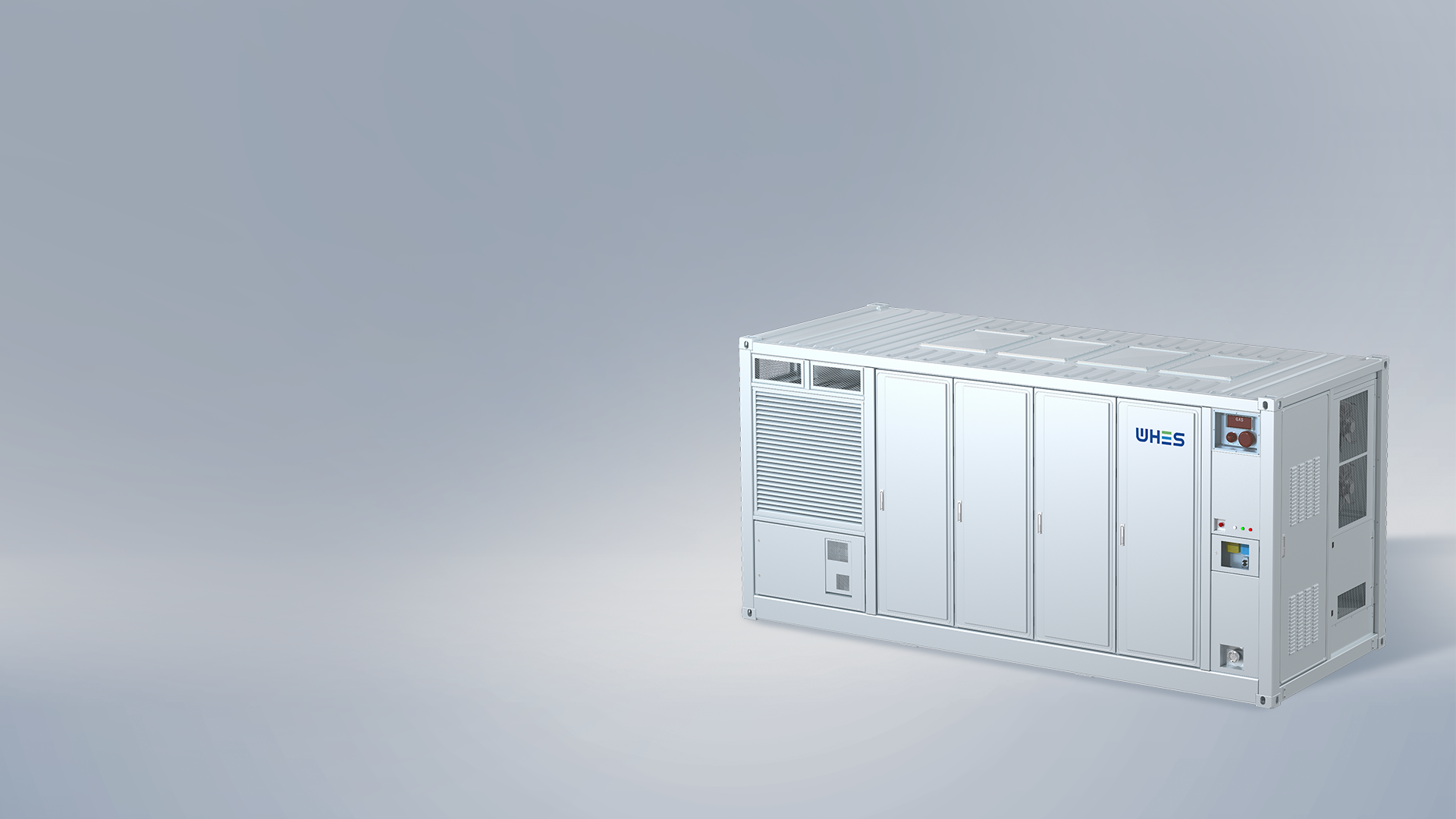
The real problem: invisible stress that kills batteries early
In virtual power plants (VPPs) made up of aggregated assets, the obvious win is capacity and flexibility — the hidden problem is uneven stress across cells that quietly shortens life. Behind-the-meter analytics combined with precision sensor arrays catch that stress early, so you’re not ripping out modules years ahead of schedule. If you’re sizing a project around utility scale battery storage, this is more than a nice-to-have — it’s the difference between hitting your projected levelized cost of storage and paying surprise replacement bills. California’s 2020 heatwave and the rolling reliability events that followed are a good real-world anchor: high demand plus distributed assets exposed how uneven cycling and poor state-of-charge coordination can amplify degradation across fleets.
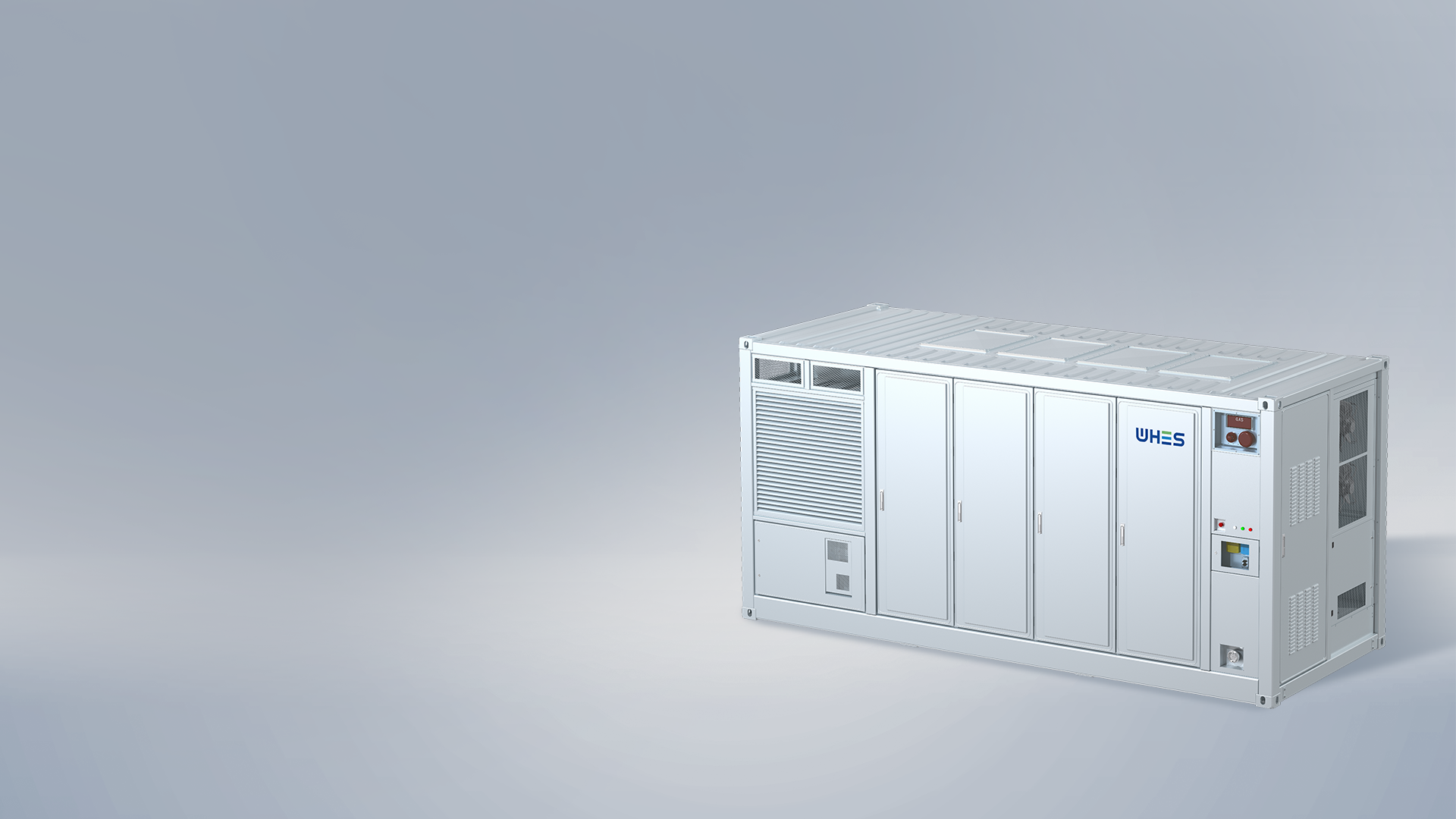
How precision sensors and analytics change the game
Think of a sensor array as a neighborhood watch for each battery rack: cell-level temp probes, voltage taps, and current monitors feeding a local controller. That telemetry lets analytics spot early signs of imbalance — rising internal resistance, abnormal delta-V during charge, or hot spots that hint at thermal runaway risk — before they become catastrophic. With that insight, control logic can tweak charge/discharge windows, adjust state-of-charge (SOC) targets, or reassign dispatch to healthier modules. The result: higher aggregate state-of-health (SoH) and fewer emergency replacements.
Where projects usually fail — and how to avoid it
Most failure modes come from three blind spots: coarse monitoring, reactive controls, and ignoring cell heterogeneity. Operators often rely only on rack-level metrics, so a few weak cells can drag down an entire string. Second, controls kick in after thresholds are breached — too late. Third, batteries from different batches or suppliers age differently; treating them identically accelerates the weak links. Fixing this requires a mix of hardware and software: granular sensors, real-time analytics that compute per-module SoH, and dispatch algorithms that respect depth-of-discharge (DoD) limits per module. Don’t skip field validation — run a small pilot under real cycling profiles to validate that your analytics actually detect the failure modes you care about.
Deployment trade-offs: cost versus preventive value
Adding sensors and edge compute raises upfront capex, and folks often balk at that number. But the counterfactual — unexpected cell failure, lost revenue, and accelerated capacity fade — is pricier. A practical approach is layered deployment: cell-level sensing in high-risk strings, string-level sensing elsewhere, and fleet-level models that infer missing signals. This hybrid reduces cost while giving you the actionable visibility you need. It’s also the sweet spot for operators moving from project finance pilots to commercial-scale grid participation — and yes, it plays nice with larger centralized assets like a grid scale bess that may provide bulk capacity while the distributed fleet optimizes local resilience.
What good analytics actually do — a short checklist
Effective behind-the-meter analytics will:
- Estimate per-module SoH and predict time-to-failure under current duty cycles.
- Detect thermal and electrical anomalies early, enabling preemptive balancing or derating.
- Integrate with dispatch stacks so control decisions balance revenue vs. asset longevity.
Implementing those features reduces unplanned downtime and preserves arbitrage value — especially when markets are volatile.
Common mistakes teams make — quick fixes
Teams often: assume uniform aging, ignore calibration drift in sensors, or rely on weekly data instead of minute-level streams. A quick fix? Automate sensor calibration checks, run per-module baseline tests during commissioning, and build simple alarms for deviation from expected charging curves. Small habit changes in operations stop small problems from becoming big ones — you’ll thank yourself on year three when your replacement schedule looks reasonable instead of chaotic. —
Advisory: three golden rules for choosing the right strategy
1) Measure what matters: prioritize cell and sub-module sensing for parameters that directly indicate degradation (temperature gradients, voltage variance, internal resistance trends). 2) Favor analytics that produce actionable controls: predictions alone aren’t enough unless they feed dispatch or balancing logic. 3) Optimize for total cost of ownership: include replacement risk, lost revenue during downtime, and the value of extended warranty periods when comparing solutions.
Follow those rules and you’ll reduce premature cell failure, preserve revenue streams, and make your VPP assets actually earn what the financial model promised.
WHES is built around that practical value — sensor-informed controls and system designs that keep fleet SoH front and center. —