
Why automation matters to you
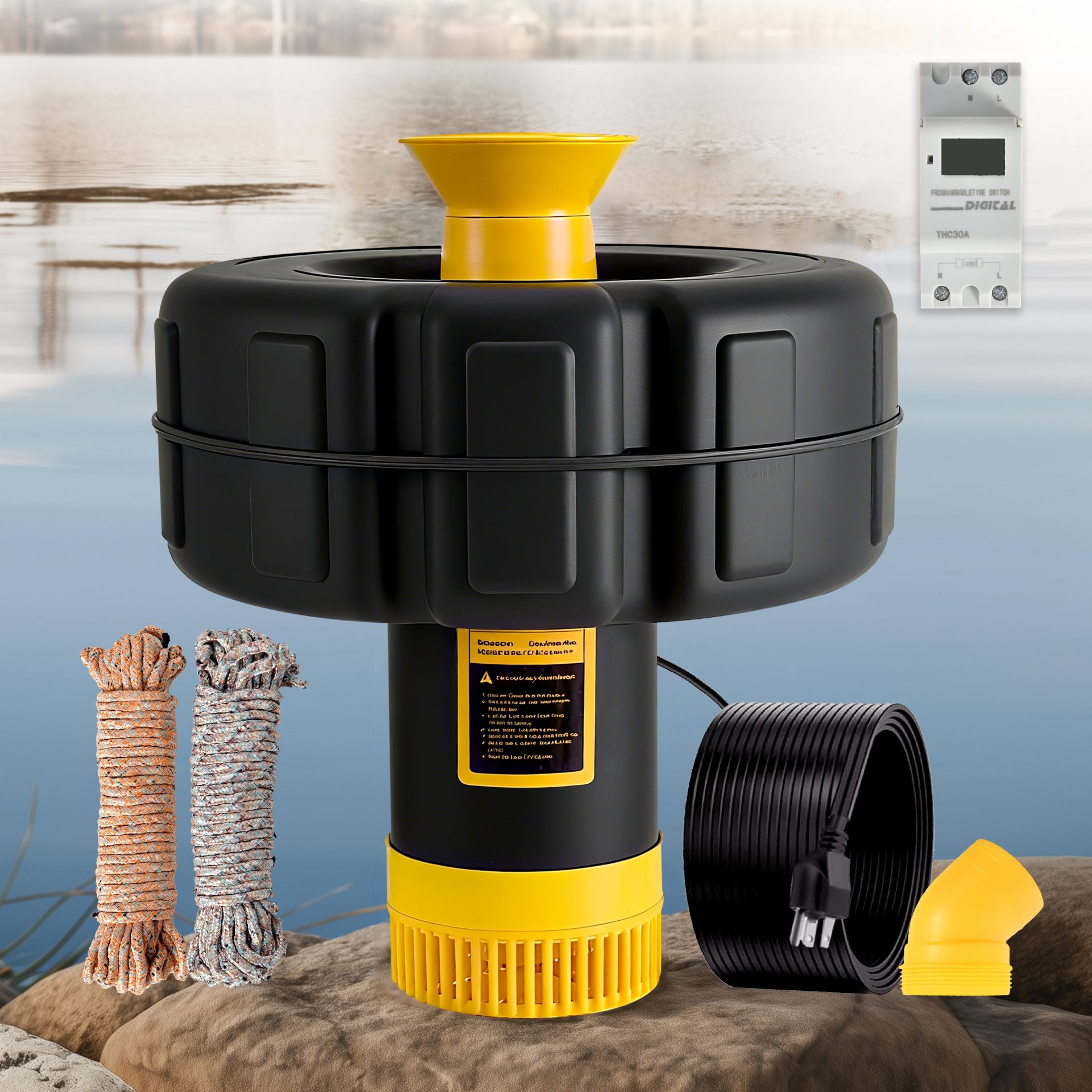
Your pond has a rhythm. You don’t. So you automate. A well-tuned water aerator for pond controlled by app rules keeps oxygen steady, algae in check, and winter freezes from trapping fish under a thin film of ice. Think of it as tending lungs at distance. The lesson isn’t theoretical — recall the 2014 Toledo water crisis, when algal toxins forced a municipal shutdown and reminded pond stewards how small failures cascade fast. Simple control logic can prevent that kind of surprise.
The essentials your app must manage
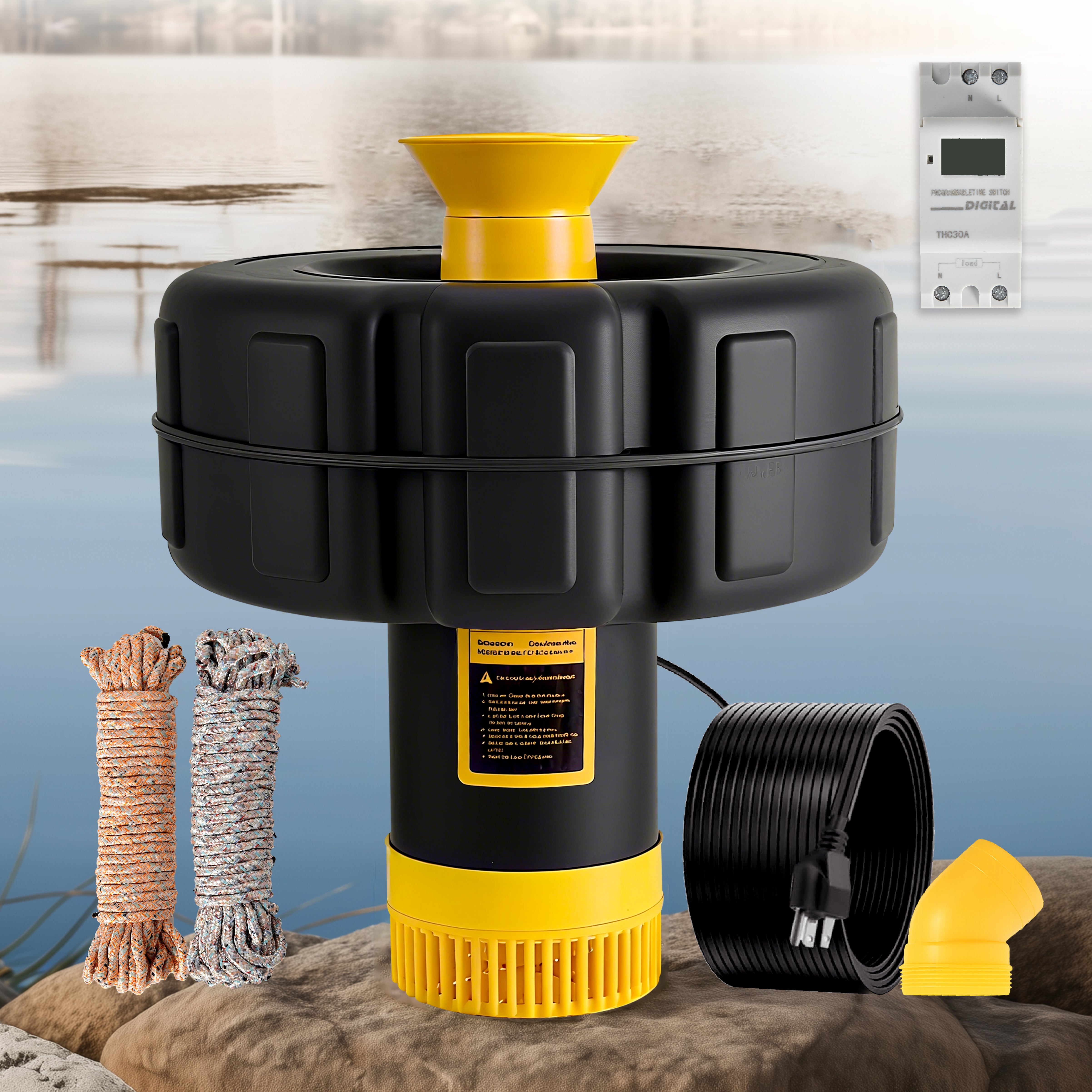
Focus on three control levers: schedule, triggers, and overrides. Schedule defines routine on/off cycles (useful with a timer and to protect pumps). Triggers respond to sensors — temperature dips, low dissolved oxygen, or a float switch telling the unit to keep moving. Overrides let you step in for storms or sudden wildlife events. Include a manual “safe mode” in the app so you can pause automation without losing rules. Terms to note: air compressor sizing, diffuser placement, oxygen transfer efficiency — these matter when you translate rules into hardware actions.
Designing rules that match your pond’s rhythms
Listen first. Measure second. Start with baseline data: surface temperatures, DO (dissolved oxygen) at dawn, and how the pond reacts after a hot afternoon. Then encode rules that anticipate those patterns. For example, instead of a blunt “run 8 hours nightly,” try: if dawn DO 25°C and DO drops, add staggered compressor bursts to prevent thermal stratification. Use hysteresis in triggers to avoid flip-flopping — that annoying on-off-on that wears relays out. Small investments in sensors pay off; good telemetry lets your app learn, and you, quietly, sleep easier.
Common mistakes pond owners make — and how to avoid them
They assume one-size-fits-all schedules. They forget maintenance windows. They set alerts so frequently they become white noise. Start with conservative automation and iterate. Test rules in low-risk seasons. Run a “silent audit” every quarter: check diffuser lines for clogs, confirm air stones haven’t fouled, and verify compressor oil or seals. — Don’t let a single failed float switch stranded in ice tell the whole story; redundancy is cheap compared to a dead ecosystem. Also, avoid over-aerating shallow ponds; excessive circulation can stir sediments and spike nutrient loads.

Integrating fountains and seasonal strategies
When you mix aesthetics with function — say, a centerpiece floating fountains for large ponds — decide which system leads. Fountains beautify and help surface exchange, but they don’t always oxygenate deeply. Use fountains on a daytime schedule for visual effect, and keep diffused aeration—via submerged diffusers—running during low-light hours for biological support. In winter, prioritize continuous low-flow aeration around open-water zones to maintain gas exchange. In summer, focus on early-morning boosts when oxygen stress peaks from warm nights.
Quick setup checklist
– Map your pond: depth contours, intake/outflow, and likely dead zones.
– Install at least one DO sensor and one temperature probe; add a float switch near the skimmer.
– Size the air compressor to match diffuser area and desired flow rate; oversize slightly for redundancy.
– Create three rule tiers in your app: Normal (default), Alert (automated ramp), Emergency (continuous run + notification).
– Schedule routine maintenance reminders and test override controls monthly.
Advisory: three golden rules for reliable pond automation
1) Measure before you automate: decisions anchored to real sensor data (DO, temp, flow) beat guesswork every time. 2) Build in redundancy: at least one secondary trigger (float switch or backup relay) prevents automation failure from becoming an ecological crisis. 3) Prioritize adaptability: rules must be easy to tweak as seasons shift; version your rule sets and keep a short changelog so you know what worked and why.
Automation isn’t magic; it’s attentive systems quietly protecting a living place. For many stewards, that quiet confidence arrives when hardware and rules cooperate — a steady compressor, well-placed diffusers, and an app that understands the pond’s pulse. That combination is precisely the sort of reliability offered by thoughtful solutions from brands like Orison. —