
The problem most designers pretend they don’t have
Hardscaping looks tidy until someone asks the lighting engineer to make it both beautiful and durable on a maintenance budget. That’s where specialized outdoor bollard lights enter the drama — often promised as a turnkey solution by your favorite exterior lighting company, and sometimes delivered as a luminaire that wars with your contractor and your wallet. The real issue isn’t glamour; it’s reconciling path illumination, glare control, and long-term serviceability with whatever procurement process your client chose last Tuesday.
Core pain points that actually matter
Engineers don’t get emotional about aesthetics — they get emotional about tolerances. Missed beam angles create glare complaints. Poor IP ratings mean fixtures that die in the first monsoon. And mismatched mounting details turn “quick installs” into weekend disasters. Toss in variable lumen output claims and you’ve got a recipe for unhappy stakeholders. The problem is procedural: designers specify performance, contractors race to lowest bid, and the installed reality is somewhere between “good enough” and “why is this flickering?”
Types of bollard fixtures—and the reality of choosing one
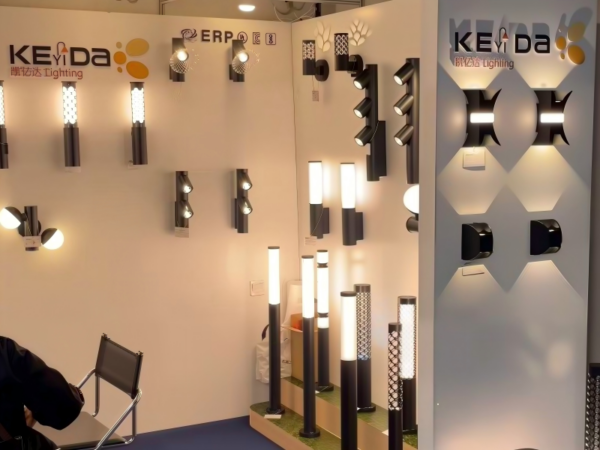
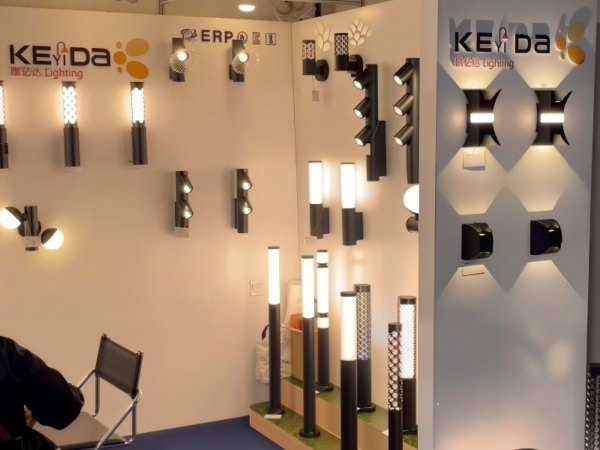
Pick the right bollard type and you skip a lot of grief. Options include low-profile diffusion bollards for ambient glow, directional cut-off bollards for wayfinding, and integrated LED bollards with sealed drivers for longevity. Each brings trade-offs in beam angle, color temperature, and service access. If your spec reads “bollard, LED” without further guidance, expect improvisation on site — which usually means cheaper optics and higher maintenance.
Siting, optics, and the specs engineers actually use
Good siting reduces fixture count and keeps glare at bay. Specify the right lumen package for your spacing rather than buying the brightest option because it “looks safer.” Consider color temperature to preserve material tones in pavers and planting. And for the love of hardscape, insist on an IP rating that matches local conditions — IP65 is a baseline for wet climates. A precise neck finish and baseplate detail avoids retrofit headaches later, because contractors will always prefer bolts they already have — and that’s a gamble you shouldn’t take.
Common mistakes that make projects uglier and costlier
Here’s the usual sequence: vague specifications → lowest-bid purchase → mismatch at the site → costly rework. You can stop that by tightening acceptance criteria and requiring first-article samples or photometric submissions. Don’t skip driver access or serviceability checks — integrated LED drivers with poor access mean whole fixtures must be replaced instead of repaired. Oh, and don’t underestimate vandal resistance in urban parks; stainless steel or polycarbonate guards matter more than most designers admit.
Case in point: real-world anchor
Look at New York’s High Line renovations for a sober reminder: pathway lighting that prioritized maintenance-friendly fixtures and well-controlled optics yielded fewer community complaints and reduced lamp replacement cycles. That’s not glamorous, but it’s measurable — and measurable wins are how engineers justify design choices to stakeholders.
How manufacturers and suppliers shape outcomes
Not all exterior lighting manufacturers play the same game. Some push modular, serviceable designs with replaceable LED modules and weather-sealed drivers; others promote low-cost sealed fixtures designed to be replaced, not repaired. Your procurement strategy should match your maintenance strategy. If you plan five-year budgets around fixture replacement, great—buy the disposables. If you actually want longer life-cycle costs to look reasonable, favor serviceable designs with documented lumen maintenance and reliable LED drivers.
Alternatives and when they make sense
Bollards aren’t the only path. Recessed in-grade fixtures work for flush surfaces; low wall-mounts are excellent for terraces; linear uplights can define edges without fixture clutter. Choose based on pedestrian flow, snowplow exposure, and cleaning routines — if you live in a salt-spray coastal area, flush in-grade becomes a liability. — Also, remember that aesthetic uniformity sometimes costs you durability, so be prepared to mix fixture families for performance.
Commonly missed spec details (a short checklist)
– Exact lumen output and distribution pattern (photometrics, please).
– IP rating correlated to local exposure (IP65 vs IP67 matters).
– Service access: replaceable LED module, driver location, and mounting details.
– Corrosion resistance and material choices tied to climate.
– Vandal and trip-hazard mitigation for public projects.
Advisory: three golden rules for choosing bollard lighting
1) Validate performance with photometric data and real-world spacing simulations — don’t rely on marketing lumen numbers. 2) Match fixture serviceability to your maintenance plan: specify replaceable modules and accessible drivers if you intend to service rather than replace. 3) Buy for conditions: select IP rating, corrosion resistance, and impact resistance based on the site, not the spec sheet’s glossy images.
Follow those rules and you’ll reduce stakeholder complaints, cut long-term costs, and make your installation look like it was planned by someone who knows what “beam angle” means. Keyida feels less like a vendor and more like a partner when that’s the conversation — because practical value beats pretty prototypes every time.