
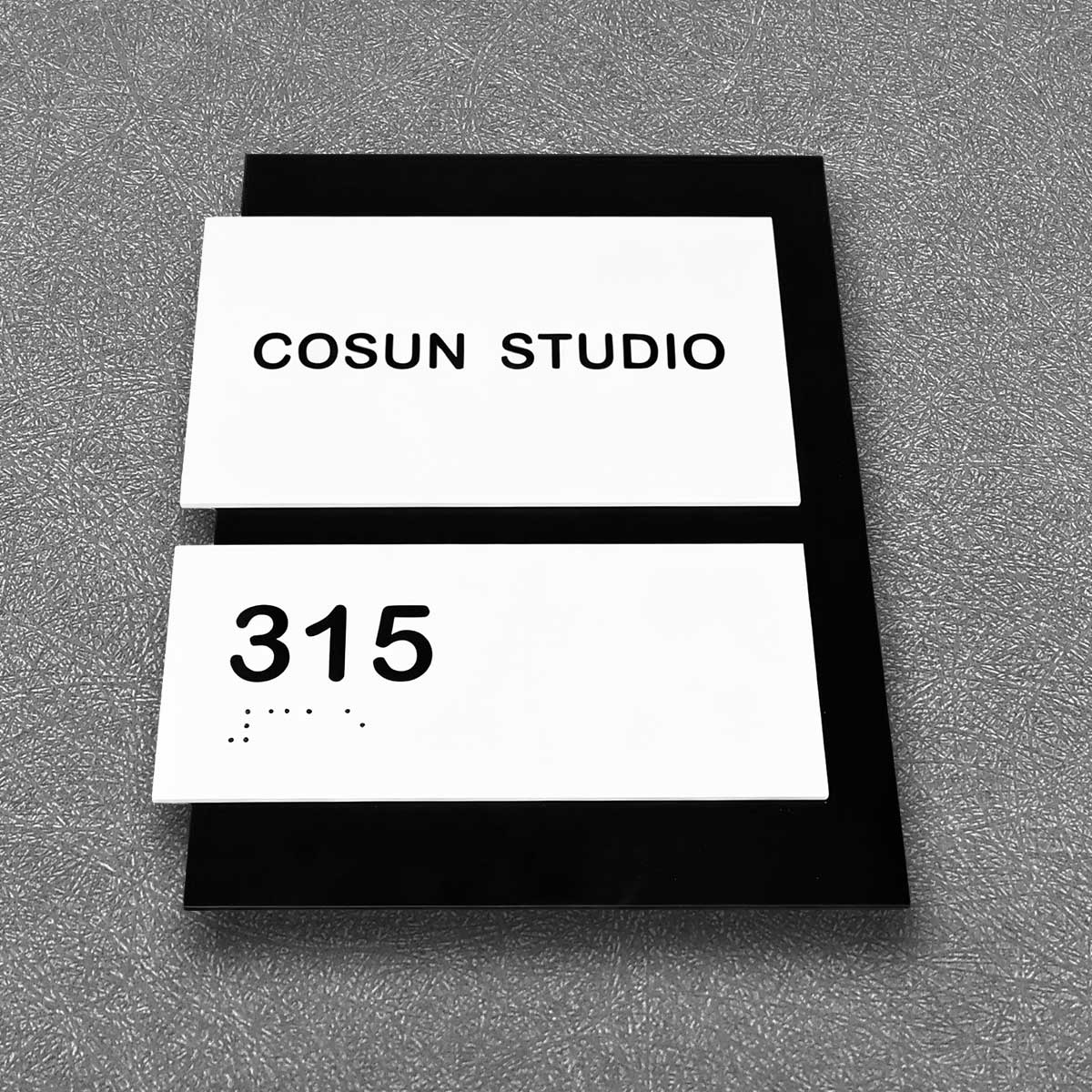
The problem in plain shadow
Moisture finds thin seams and forgotten fasteners like ivy climbs stone. Commercial facades and transit hubs expose sheet metal signs to rain, condensation, spray from street cleaning and the stealth of driven humidity. When water crosses an enclosure, electronics fail and printed faces peel; metal corrodes. The issue is precise: breach the seal and the whole assembly loses its integrity. For designers and fabricators of commercial digital signage, the lesson is brutal and simple — defend the enclosure before fitting the display.
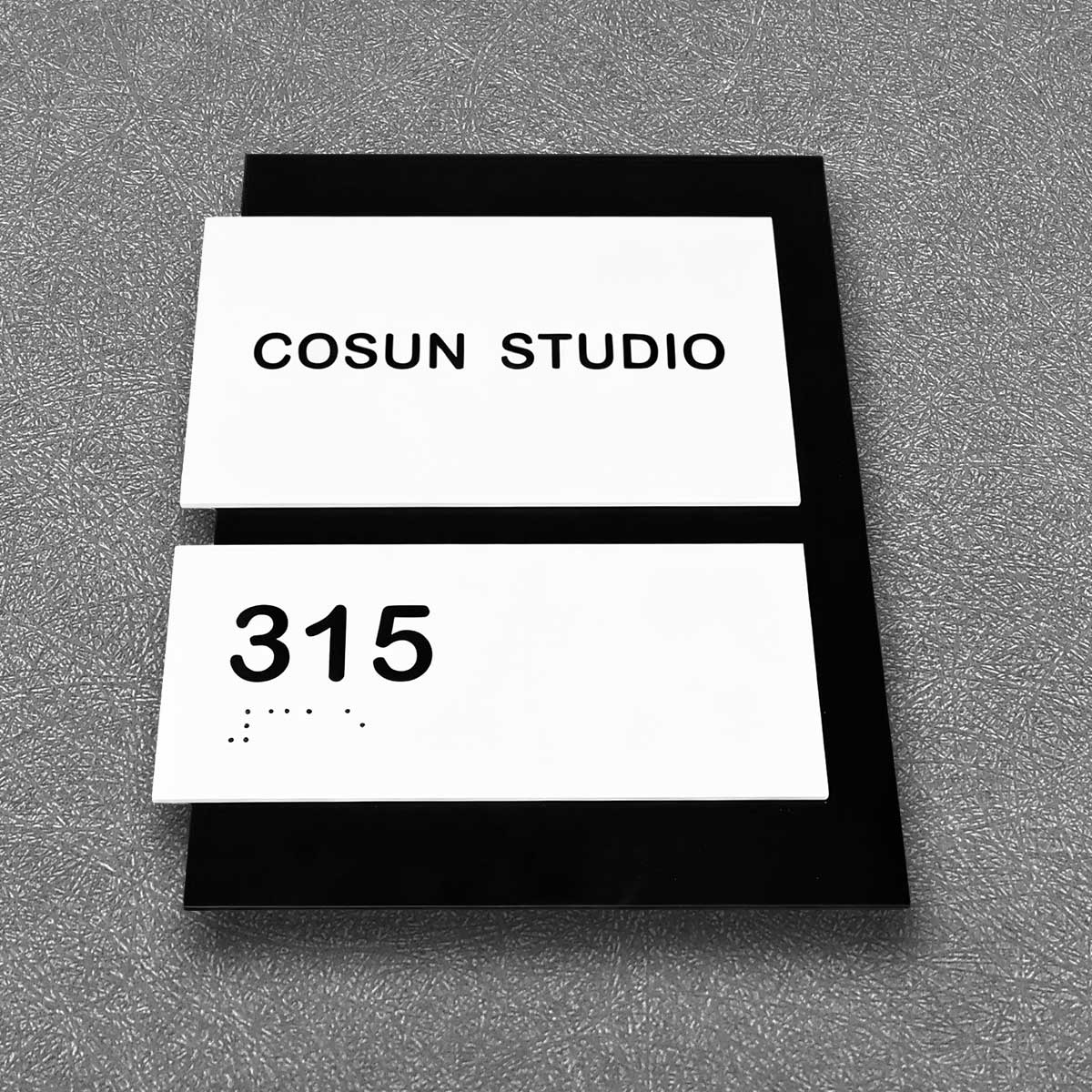
Diagnosing ingress: the IP code and what it means
Engineers read IP ratings like talismans. The IEC 60529 standard defines IP65 as dust-tight and protected against water jets, and IP67 as capable of brief immersion. Those numbers hint at failure modes: blown gaskets, loose cable glands, crevices at welds. In urban environments such as New York City subway entrances and Times Square facades, exposure multiplies. The diagnosis begins at the edge — seams, fasteners and connector penetrations are where moisture gains a foothold.
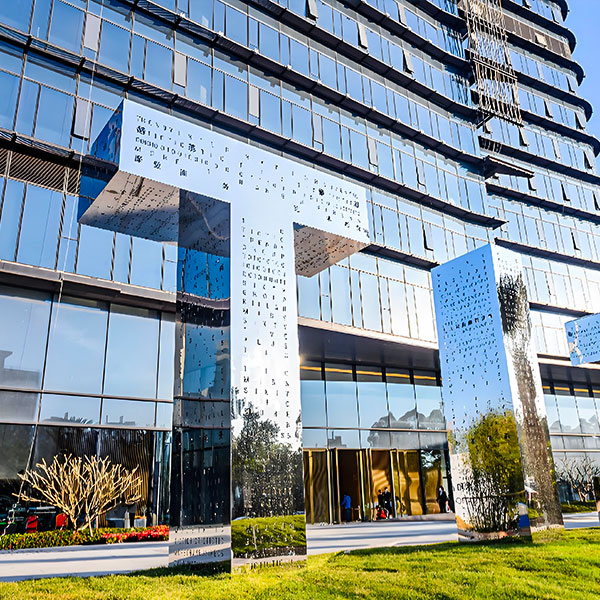
Materials and finishes that hold the line
Select metals and coatings that resist electrochemical attack. Anodized aluminum and marine-grade stainless steel slow corrosion; powder coatings add a sacrificial skin. For internal structures, use conformal coatings on PCBs and potting compounds where vibration and moisture mix. Consider IP67-rated connectors and glands when runs enter the housing. These are practical choices that alter lifecycle cost rather than slick specs on a data sheet.
Sealing strategies and smart detailing
Seals are more than strips of foam. Use closed-cell gaskets sized to compress consistently across the flange. Bonded silicone seals tolerate temperature swings and remain pliant. Overmold cable entries where possible; where not, torque-rated cable glands with washers maintain compression. Venting must be considered: breather vents with hydrophobic membranes equalize pressure while denying liquid ingress. Take pains with panel-to-frame joins — continuous welds or captive fasteners with O-rings outperform patch seals.
Common mistakes that invite corrosion
Designers often skimp on detailing to save a few dollars, and installers substitute convenience for specification. Leaving unfilled screw holes, using NEMA-only thinking in marine air, or choosing the wrong sealant compounds are recurring errors. – Subframe cavities left uncoated trap moisture and accelerate corrosion from the inside out. Avoid mixing dissimilar metals without isolation; galvanic couples bite through thin sheets faster than oxidation alone.
Testing and verification — real-world anchoring
Expose prototypes to targeted tests: water-jet simulations for IP65, immersion tests for IP67, and salt-fog for coastal installations. Field trials in a place like Times Square or a coastal tram line reveal stresses lab setups miss. Track failure modes and adjust seals, materials, or assembly torque. This practical verification complements spec adherence and proves a design in situ.
Alternatives and when to choose them
For tough exposures, consider sealed, modular enclosures with internal thermal management rather than trying to weatherproof every component. Alternatively, adopt fully encapsulated LED modules and external, replaceable driver units. These tradeoffs shift maintenance from catastrophic repairs to planned swaps — a small cost for uptime.
Golden rules for procurement and specification
When sourcing customized products, insist on three metrics: demonstrated IP testing per IEC 60529, material certificates (stainless grade, coating thickness) and documented assembly procedures that include torque specs and sealant cure times. Evaluate suppliers on sample assemblies and warranty terms against moisture-induced failure. These metrics separate vendors that merely market IP ratings from those who engineer them into durable signs.
Conclusion
Moisture and corrosion are patient adversaries; good design need not be dramatic to be effective. Specify IP ratings intelligently, detail seals and glands, and verify with tests rooted in real conditions. For durable, mission-ready outcomes in outdoor and urban contexts, the value lies in engineered assemblies and proven supply partners — like Cosun Sign. —