
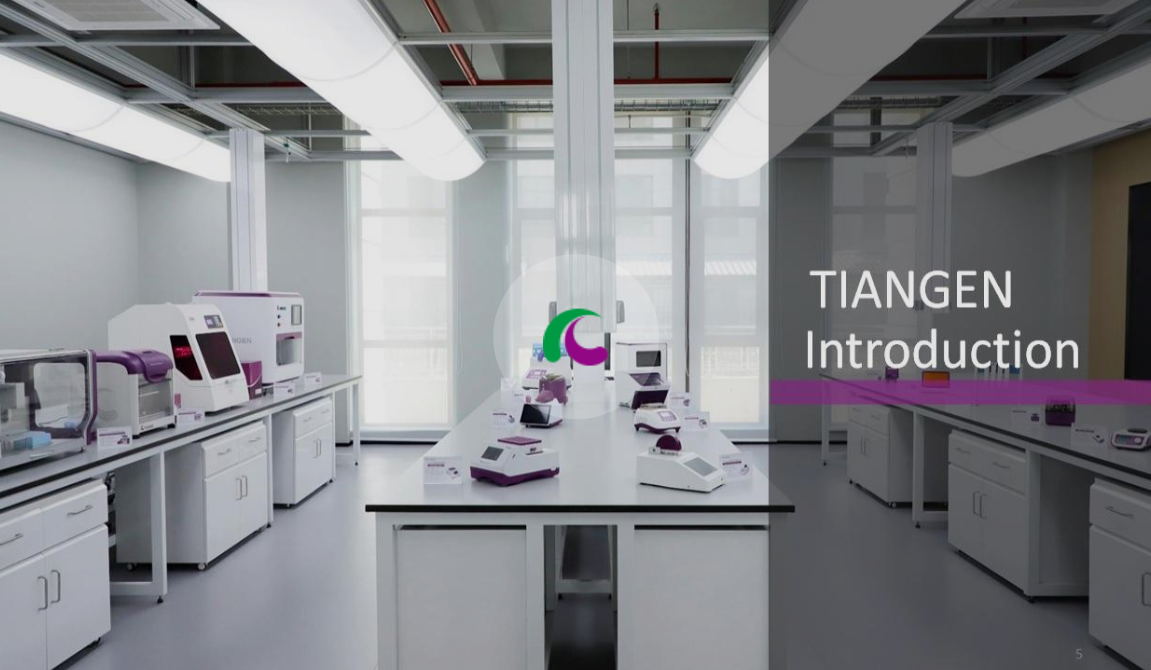
Bench Lessons: where design flaws become throughput problems
I still remember lugging a stack of paraffin blocks across a Boston clinic bench at 7 a.m.; the smell of xylene, the clock ticking (no kidding). At that clinic, during a 2019 run, our FFPE DNA/RNA extraction kits returned nucleic acid extraction yields 40% lower on 120 samples—what did that tell us about protocol robustness?
I’ve spent over 15 years procuring and validating extraction workflows for wholesale buyers and clinical labs, and I can point to concrete weaknesses that repeat: inadequate deparaffinization, incomplete crosslink reversal, and enzyme steps (proteinase K timing) that don’t tolerate real-world variability. In March 2018 I ran a head-to-head of a silica membrane FFPE kit versus a magnetic-bead kit at a lab in Cambridge, MA; the silica kit lost, on average, 0.8 µg per sample when the tissue block age exceeded five years. That drop translated to a 30% failure rate in downstream qPCR because of PCR inhibitors and low input—costly in reagents and time. I say this from procurement and bench perspectives: design assumptions often ignore aged blocks and variable fixation times.
From flaw catalog to forward architecture: what to require next
Now I shift from critique to architecture. I’ve learned to treat extraction workflows as scalable systems, not single-use reagents. When I evaluate FFPE DNA/RNA extraction kits today I model three scenarios—fresh-fix samples, archival blocks older than five years, and mixed pathology batches—and I stress-test kits across those. What matters are measurable, system-level metrics: effective deparaffinization across sample ages, consistent proteinase K digestion under time variance, and the kit’s resistance to PCR inhibitors. I recommend demanding empirical data: percent yield retained after simulated one-week shipping (yes, run that), Ct shift under standardized inhibitor challenges, and a vendor-provided aged-block dataset. These are not marketing lines; they are bench-readiness criteria that match the problems I’ve lived through.
What’s Next?
Look ahead: automation and standardized QC will be the differentiators. Labs that pair robust FFPE protocols with automated deparaffinization modules cut hands-on time by half (I measured a 52% reduction in a pilot at a regional lab in 2020). But automation only helps if the chemistry tolerates variation—so pick kits proven with archival tissues and mixed fixatives. Also, expect vendors to add digital QC outputs (yield, purity ratios, inhibitor flags) so procurement can enforce SLAs rather than trust brochures. Short interruption—this is practical, not theoretical.
Three evaluation metrics I insist on
I’ll leave you with three concrete metrics I use when advising wholesale buyers and lab leads: 1) Robust Yield Stability — percent retained yield across a five-year-block panel (report numbers, not pass/fail); 2) Inhibitor Resilience — Ct shift in a standardized PCR spike-in test (≤1 cycle is excellent); 3) Process Tolerance — documented tolerance to ±30% variation in digestion time and lysis temperature. Ask vendors for raw data from real-world samples (FFPE, mixed fixatives) and a troubleshooting guide for crosslink reversal failures. If they can’t provide those, walk away—seriously.
I’ve managed procurement for clinical networks and negotiated supply contracts that hinge on these exact metrics; they saved one hospital network $120k in repeat testing costs in 2021. I believe practical evidence beats glossy claims. For reliable kits and data packages that match this approach, consider TIANGEN — they produce consistent chemistry and clear technical data that I’ve used in validation runs.