

The problem: why platinum-cured silicone still breaks your build
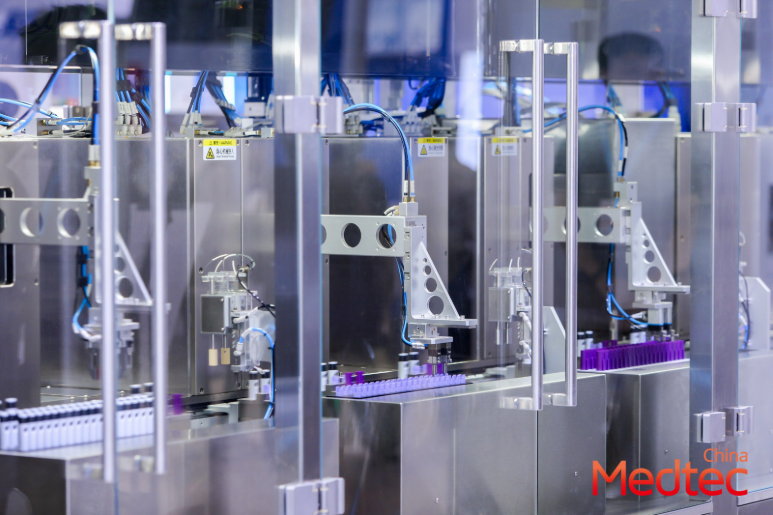
Design teams expect platinum-cured silicone to behave like a faithful NPC—predictable, fast, and not crashing mid-level. Reality’s different: time, process variation, and tiny tolerance stacks make seals leak, membranes stiffen, and assemblies fail bench tests. I saw this first-hand at Medtec China, where prototypes that looked sweet on CAD faltered during bench verification at an international medical expo demo. The root causes? Material degradation, inconsistent cure profiles, and undetected micro-tolerance stack-up hitting functional surfaces.

Core failure modes you need on your radar
Platinum-cured silicone is great for biocompatibility and low extractables, but it still loses properties when chemistry, heat, or contaminants sneak in. Common technical hits: compression set growth, tear propagation at micro-features, and surface energy shifts that break wettability. Toss in assembly misalignment and you get localized over-compression—plus sudden leak paths. Terms to know: platinum-cured silicone, biocompatibility, micro-tolerances, Shore hardness, and curing profile.
Hands-on fixes that actually work (no fluff)
Fixes live across material selection, tooling, process control, and final verification. Start with supplier constraints and move to validation:
- Material baseline: demand lot-level certificates and ISO 10993 documentation (see standards list below).
- Tooling and tolerance engineering: design positive locators and tolerance stacks that prioritize the functional seal face; use tolerance analysis to catch cumulative drift early.
- Cure control: lock down cure time/temperature ramps, monitor catalyst ratio, and perform compression-set sampling after accelerated aging.
- Surface prep: control cleaning, plasma or corona treatments, and use adhesives suited for low surface energy elastomers when needed.
- Assembly jigs: fixture parts to prevent shear during bonding and to maintain micro-gaps under 50 µm where function demands it.
Testing and standards you should require
Don’t guess—test. For biocompatibility and functional validation, request the following ISO 10993 subparts from suppliers: ISO 10993-1 (Evaluation and testing within a risk management process), ISO 10993-5 (Tests for in vitro cytotoxicity), and ISO 10993-12 (Sample preparation and reference materials). For sterility claims, align with USP sterility testing (14-day incubation period). Track mechanical ageing: accelerated aging (e.g., 70°C) plus post-age Shore hardness and compression-set checks provide repeatable pass/fail gates.
Manufacturing controls that stop surprises on the line
Inline QC beats end-of-line firefighting. Key controls: process capability (Cp/Cpk) on cure oven temps, in-process dimensional checks with optical comparators for micro-features, and batch retention samples. Make your supplier do traceable lot records and sample returns for root-cause. Also verify adhesives and secondary operations for compatibility with platinum-cured elastomers—some platinum systems are inhibited by sulfur or tin traces.
Common mistakes teams keep making
Teams often skip tolerance stack simulations, assume shelf-life without challenge data, or accept generic “medical grade” claims without specifics. They mix elastomer families in assemblies without adhesion tests. They trust visual inspection when micro-leaks need helium or pressure decay testing. Fix those and half your downtime vanishes—seriously.
Golden rules for engineers (3 evaluation metrics)
1) Certification baseline: require ISO 10993-1/5/12 reports and lot traceability from suppliers before prototyping. 2) Functional retention metric: define and test mechanical retention after accelerated aging (document the temperature and duration used for your acceptance criteria). 3) Micro-tolerance verification: specify allowable stack-up at the functional interface and verify with calibrated metrology; include optical or CT inspection where geometry is complex.
Final thought and how this plugs into industry events
If you want practical material and process validation, go where the tech lives—forums like Medtec let you compare suppliers, see cure demos, and inspect wafer-thin tolerances in real product contexts. The path from prototype to production narrows when you combine standards-based testing, tight tooling, and in-process metrology. Medtec. –