
Operators jammed into a tight lesion don’t want a lecture; they want a fix. The problem: guide support falls short when you need coaxial delivery and controlled push, and a gimmicky shaft or wrong material can turn a routine PCI into a rescue case. That’s why I look at the actual hardware — starting with the guide extension catheter everyone reaches for when backup matters most. At TCT (the Transcatheter Cardiovascular Therapeutics sessions), device teams and interventionalists hammered this issue out on stage and in posters, so the debate about design trade-offs isn’t academic; it’s live. The conversations at that conference also focused on the practical performance of the coronary guide extension catheter, which is why experience in the lab matters when you evaluate specs.
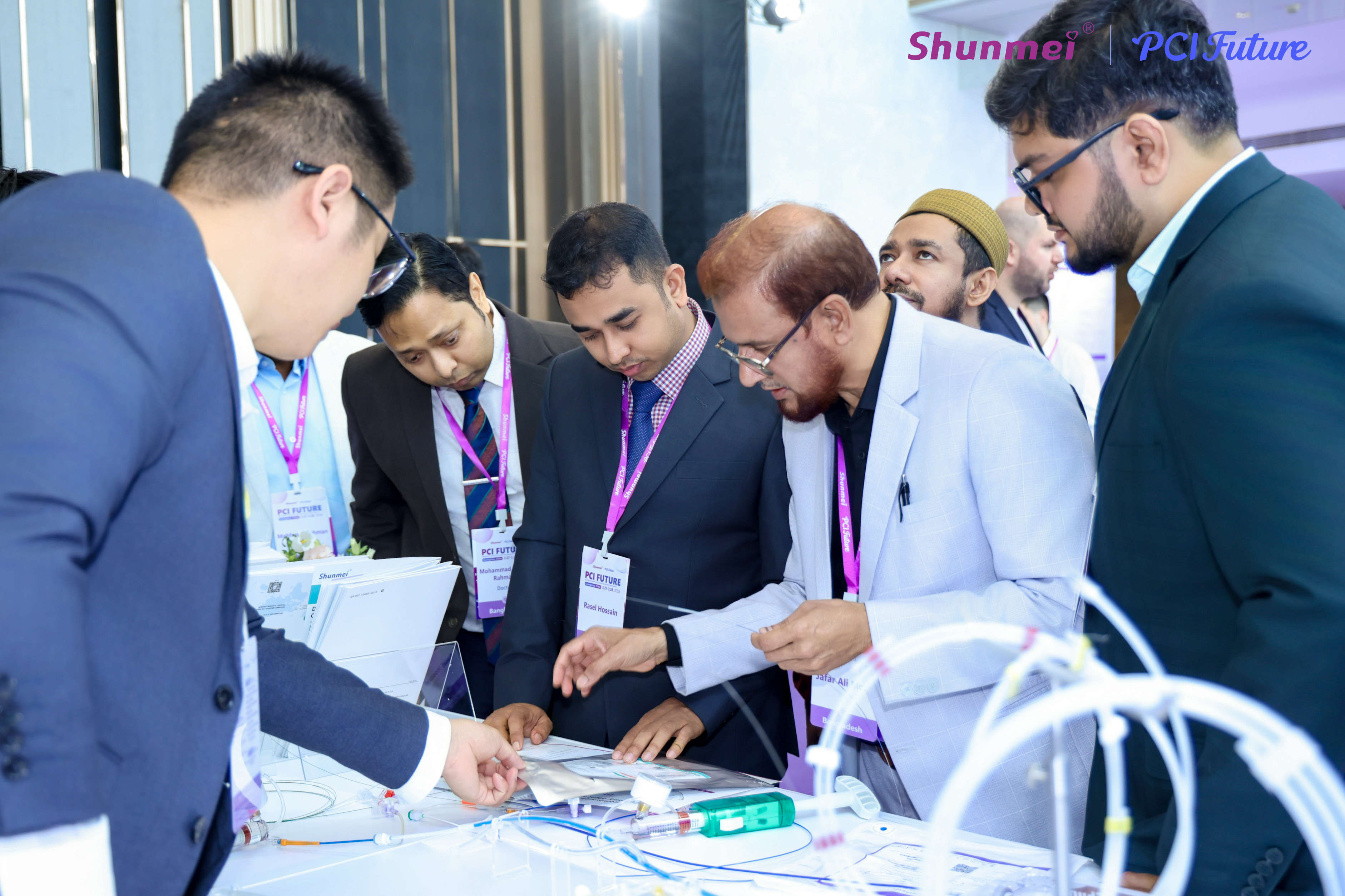
What actually breaks in the cath lab
Kinking. Loss of torque. Unexpected friction. Tip hang-up at ostia. Those are the real failures, not the marketing copy. When a shaft collapses under bending or a tip is too stiff at the branch point, you lose control. Material choices and layering determine whether the catheter will buckle, slip, or deliver balloons and stents smoothly. Know what failure looks like — then pick designs built to prevent those exact problems.
Materials that change outcomes — trade-offs, not myths
Stainless steel gives predictable push and cost-efficiency, but it can be unforgiving in tight anatomy. Nitinol adds kink-resilience and memory; useful when you need a catheter to spring back after tortuous turns. Polymeric outer layers — PTFE or hydrophilic coatings — cut friction but wear off with repeated exchanges. Multi-layer shafts combine metals and polymers to balance torque and flexibility. Pick a construction that matches the challenge: rigid backup for heavy delivery, flexible for distal reach. Ask for bend radius and torque-transfer numbers, not glossy descriptors.
Design features to prioritize during selection
Tip profile: a tapered, atraumatic tip reduces vessel trauma and eases entry into difficult takeoffs. Radiopacity: radiopaque markers at the distal 2–3 cm are essential for precise placement. Shaft profile: a stepped or variable stiffness shaft gives proximal push with distal finesse. Coatings: hydrophilic surfaces lower drag; ensure the coating adheres through simulated use tests. Compatibility: confirm inner lumen and outer diameter pair with your guide catheters and devices. If any of those specs are missing from data sheets, call the rep and demand numbers.
Operator pitfalls that trip up good devices
Advancing a guide extension too forcefully into a tight lesion invites coronary dissection. Over-rotating to gain torque can damage delicate transition zones where metal meets polymer. Mismatching a catheter to a guide with poor coaxial alignment creates beveling and tip hang-up. Also, underestimate the value of microcatheter support; sometimes a short micro gives better wire control than brute force with a stiff extension. Technique matters as much as design.
Alternatives and when they beat a guide extension
Support balloons, mother-and-child sheaths, and anchoring wires each have roles. Use a support balloon when temporary anchoring improves deliverability without adding hardware deep into the vessel. Opt for an ultra-thin mother-and-child sheath when you need continuous lumen for devices that won’t fit a narrow extension. Choose a guide extension when you need a quick, short-zone boost of backup that preserves the primary guide’s lumen. Evaluate the anatomy and the device profile; pick the least invasive option that accomplishes the task.
Quick checklist before you commit
1) Confirm distal tip flexibility and radiopaque marker placement. 2) Verify shaft inner/outer diameters against the devices you plan to pass. 3) Check torque transmission specs and kink-resistance tests. 4) Ask about hydrophilic coating durability and exchange limits. 5) Rehearse the target path on bench models or imaging if anatomy is borderline. If any one of these is off, don’t guess—rethink the approach.
We’ve seen what fails and why, and the solution is pragmatic: match material and design to the procedural problem, respect the device’s physical limits, and avoid force. That’s the practical value Shunmei brings to device selection and product specs: clear, measurable choices that solve the problem without theatrical promises, which is exactly what you want when the patient’s counting on you — and you’re the one doing the counting.