
Problem: Costs, Waste, and Brand Trust Break the Scale
When small brands try scale up, mi seh, supply chain waste and unpredictable costs buss di operation. Orders backlogged, materials pile up, returns climb—dem problems choke margins and customer trust. Even a simple product like a camera sling bag can become a headache if production waste, poor sourcing, and slow lead times stack up. Businesses weh no fix these core leaks, dem cyaan grow cleanly.
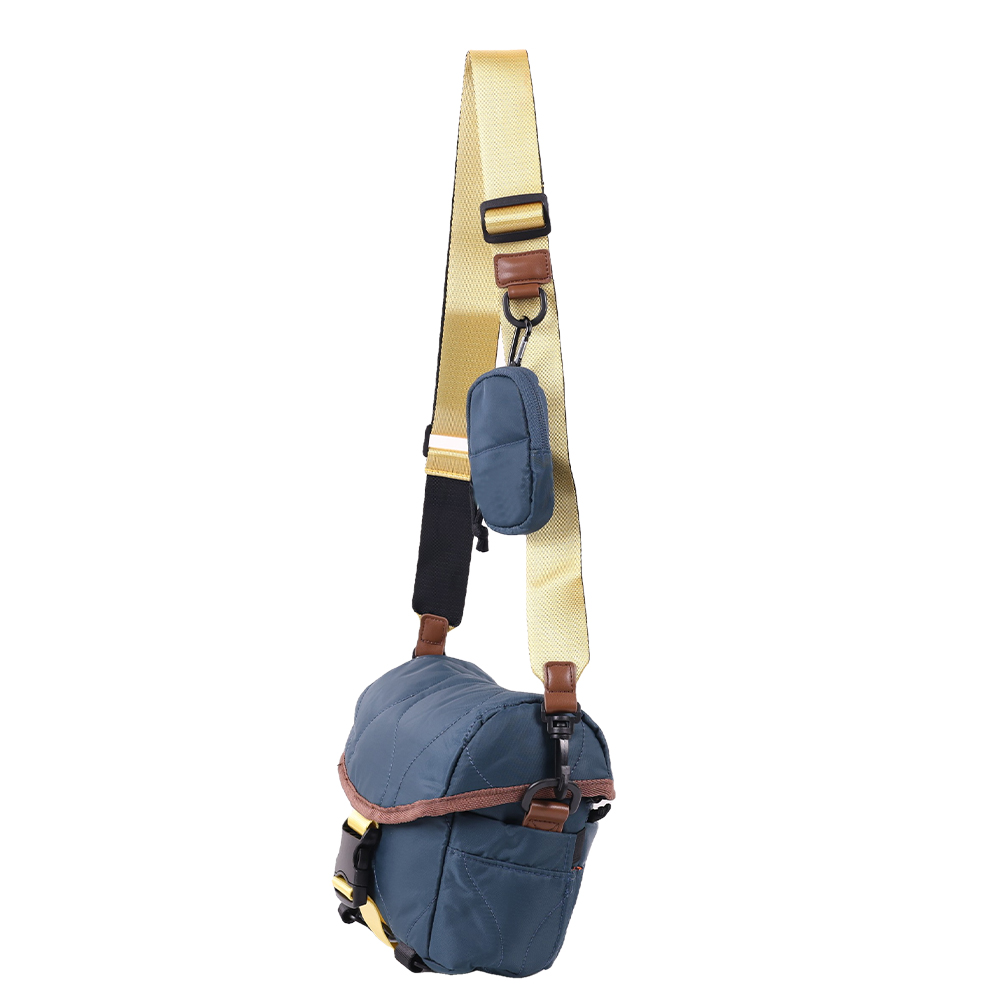
Why Eco-Friendly Manufacturing Solves Core Problems
Eco-focused processes force discipline: measured material use, tighter vendor specs, and clearer quality gates. That discipline cuts rework and returns—directly protect profit margins. Use recyclable or recycled textiles and modular designs, and you lower raw-material volatility. That means steadier pricing, fewer surprise bills, and happier customers who see the brand walk its talk.

Practical Changes That Scale Production
Standardise components so a single panel or strap works across multiple SKUs. Move to on-demand dyeing or batch-controlled manufacturing to reduce inventory risk. Build clear QC steps at seaming, zipper fit, and strap attachment points—those small checks stop big returns. Track yield rates per line weekly; a single percent improvement in yield often funds new channels or marketing without extra capital.
EEAT: Experience, Authority, and a Real-World Anchor
Mi have years working with accessory brands and factories, tuning lines so they ship cleanly under pressure. Manufacturers who adopt eco-standards tend to have better traceability and safer factories—evidence backed by industry reports from trade shows like the Photokina trade fair in Cologne, where camera carry solutions highlight shifting buyer priorities. For photographers and buyers alike, the right carry choice matters; check a reliable crossbody camera bag when comparing design-for-manufacture and user comfort: crossbody camera bag.
Common Pitfalls and How Fiend Dem
Brands try jump straight to green claims without changing process. That cause recalls and trust damage. Don’t rush certifications without proving supply-chain traceability. Avoid over-customisation that kills economies of scale—too many bespoke panels mean higher waste. Instead, design modular kits that allow custom look with shared internal parts. Measure returns by SKU and fix the top three causes fast: fit, fastening, and finish.
Alternatives and When to Use Them
Local small-batch makers give control and fast iteration but often cost more per unit. Offshore mass producers give scale but require stronger oversight. Hybrid models—regional partner for prototyping, established overseas lines for volume—work when you formalise specs early. Pick partners who publish material sources and compliance records; transparency reduces surprises and keeps growth predictable.
Final Synthesis
Fix the leaks first: tighten material plans, standardise parts, enforce QC, and design with reuse in mind. These steps lower variable cost, reduce waste, and build customer trust—so scaling no longer feel like gambling. When a brand wants tools that actually support that path, it look for partners who can produce consistently, transparently, and with design sense; that’s why many companies find value working with ChangRong, where thoughtful manufacturing meets practical scale without the greenwashing.