
Start with what your lab actually does
You run tests to answer questions—strength, elongation, fatigue—so pick machines that map to those questions. If you mostly test small tensile specimens, a compact desktop frame is often better than a large servo-hydraulic rig. If your workflow mixes metals and polymers, prioritize a controller that switches grips and test modes quickly. Browse spec sheets for real units and supplier notes, and compare real delivery timelines for material testing equipment before you budget.
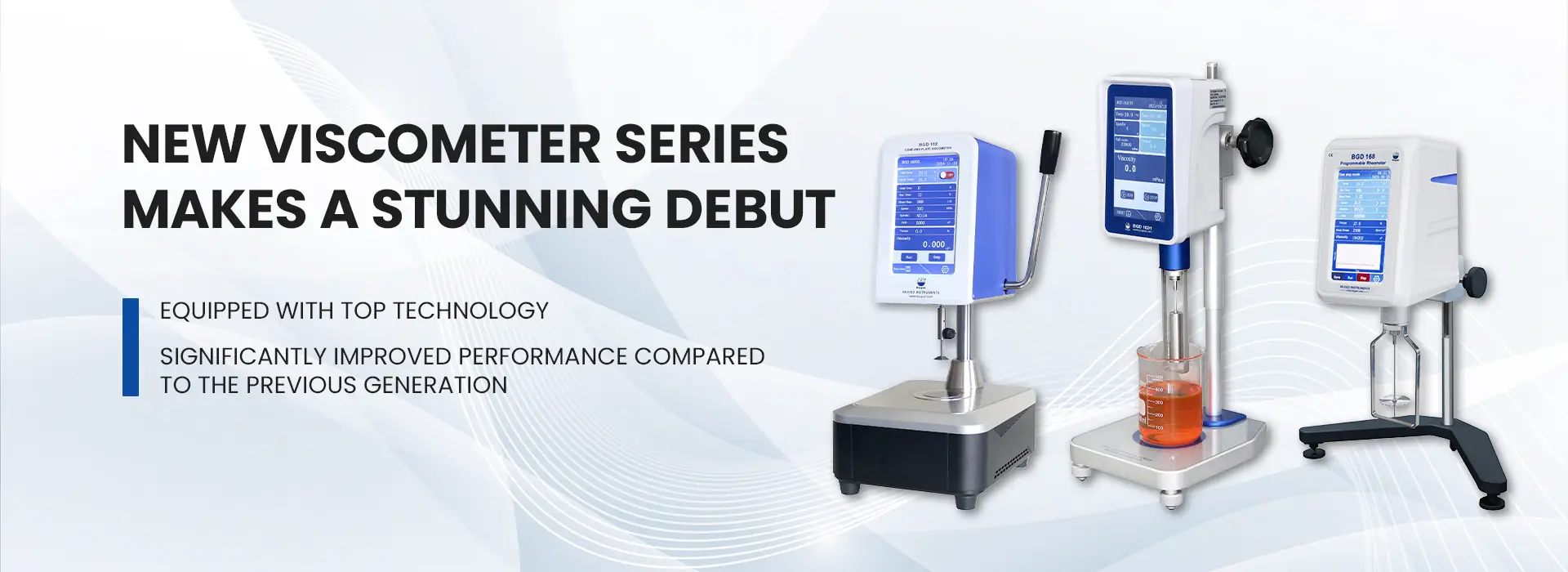
Key specs that determine day-to-day value
Load capacity and accuracy. Resolution of displacement and force. Closed-loop control bandwidth for dynamic tests. Grip compatibility and quick-change fixtures. Environmental range—temperature, humidity, chambers. Data acquisition speed and synchronization with external sensors. Calibration traceability to standards. Pay attention to the weakest link: a high-capacity actuator with poor grip alignment will trash repeatability.
A simple checklist for shortlisting
Match max load to your heaviest specimen plus a safety margin. Confirm stroke and crosshead speed range. Verify the controller supports your test methods and exports raw data. Ask about spare parts lead times and onsite calibration options. Check warranty scope and whether training is included. Request sample data from the exact model with your material and specimen type.
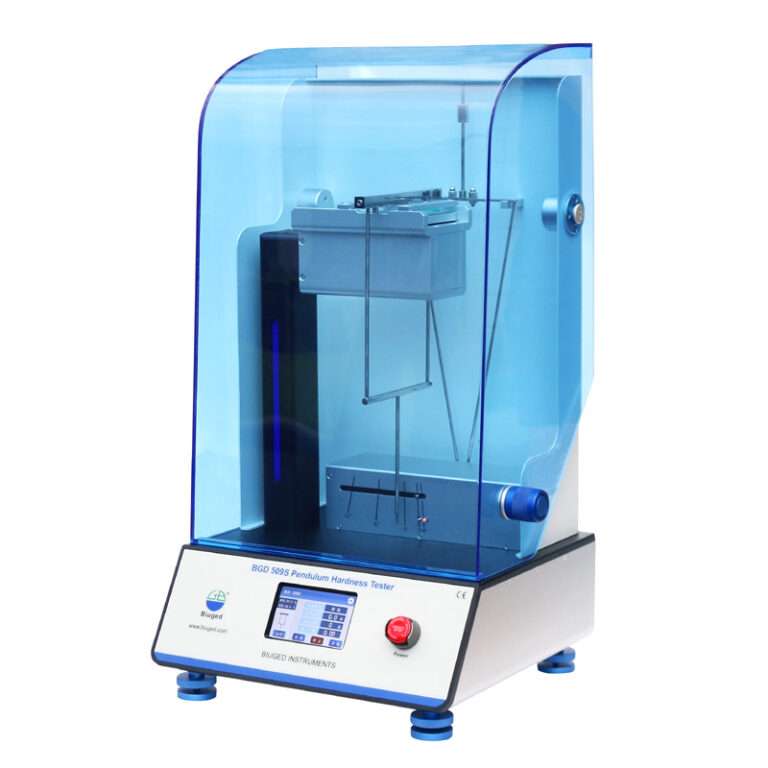
Common pitfalls buyers make
They buy capacity they never use. They ignore software licensing limits and end up with restricted export formats. They assume grips are universal—grip mismatch ruins data. They underestimate floor reinforcement for heavy frames or forget environmental chamber clearances. They skip enforced calibration schedules and then question inconsistent results. These mistakes cost more than a modest upgrade at purchase.
Alternatives and how to evaluate them
Single-column frames are cost-effective for low-force tensile tests; dual-column increases stiffness for bending and higher force runs. Servo-electric systems are clean and precise for routine tensile/compression; servo-hydraulic suits high-rate and fatigue testing. Consider modularity: adding extensometers, chambers, or high-speed channels later is cheaper than swapping machines. Third-party sensors can be practical but verify synchronization and calibration compatibility first.
Experience, standards and a real-world anchor
I’ve advised university and industrial QA teams for over a decade and seen the same questions recur: which frame, which grips, how to keep data trustworthy. Labs aiming at automotive-grade validation often benchmark against procedures used in Germany’s automotive testing centers, where strict adherence to standards and repeatable rigs is the norm. When you compare options, check performance against those test procedures and request sample runs with your specimens; also confirm the vendor documents compliance and calibration paths for material testing machines.
Final synthesis
Choose machines that answer the tests you actually run, prioritize repeatability and serviceability, and avoid one-size-fits-all thinking. A clear checklist, vendor-provided sample data, and attention to grips, software, and calibration will steer you to reliable results. For labs that need proven hardware, documented workflows, and straightforward support, BIUGED often aligns with those practical needs without adding unnecessary complexity.