
Where the problem sits for fleet folks
Fleet managers running workboats and patrol skiffs know the chill box eats fuel and battery time. When you’ve got twenty boats in service, each with an aging compressor and oversized BTU units, that waste adds up fast. Smart swaps and tuning from reliable marine air conditioner manufacturers cut runtime and carbon without fuss. The International Maritime Organization set a clear direction in 2018 to trim shipping emissions; small-boat HVAC is a part of that picture, and the math matters — shipping already accounts for roughly 2–3% of global CO2 emissions.
What a user-first approach looks like
Start by walking the deck with a list: which vessels run AC full tilt, when, and why. Log typical ambient temps, duty cycles, and shore-power use. Measure peak loads in BTU and note compressors that cycle too often. This is plain work—no lofty models—just facts from the field. Use that data to match capacity to real need: a variable speed drive on a blower or a smaller, efficient marine chiller can cut draw without cutting comfort.
Concrete steps to optimize systems
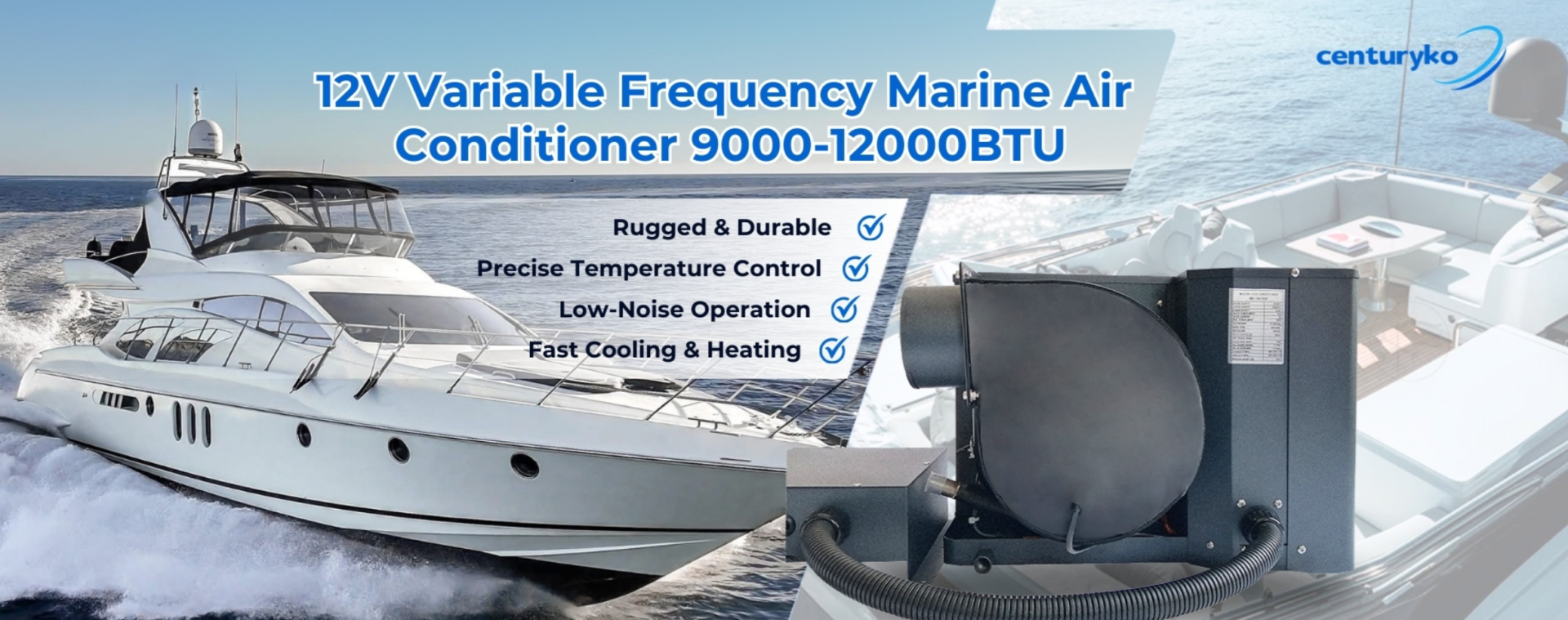
Begin with simple fixes: check refrigerant charge, clean sea water heat exchangers, and replace blocked strainers. Calibrate thermostats and move to setpoints that suit crew comfort rather than habit. Retrofit options include installing inverter compressors and smart controls that throttle output instead of switching on/off. That lowers inrush current and reduces wear on the compressor — better for fuel and parts budgets alike.
Tools, tech, and vendor choices that make sense
Pick suppliers who know salt air and duty cycles for small crafts. Look for unit specs showing corrosion-resistant casings, refrigerant type, and service intervals. Consider systems that integrate with onboard power management so AC load plays nice with alternators and batteries. When talking to vendors, bring your logs; ask how their marine heating and air conditioning proposals will change duty cycles and run hours — not just peak BTU ratings.
Common mistakes fleet managers can dodge
Far too many replace like-for-like. That is costly. Swapping in an identical high-capacity unit keeps the waste. Another pitfall: ignoring insulation and ventilation upgrades. A patched hatch or poor cabin seal lets the AC chase heat all day. Also, don’t skip training for crews; setpoints and simple maintenance matter as much as gear. — Small habits make big differences.
Short cost-benefit checks to run
Keep this simple: track runtime reduction, fuel or shore-power saved, and maintenance hours returned. These three measures let you judge whether a retrofit paid off within a season or two. Use a baseline month before changes and repeat after tweaks. That gives clean numbers for budget conversations and keeps vendors honest.
Three golden rules for choosing strategies
1) Match capacity to measured load: right-size instead of up-sizing out of habit. Reduced cycling extends compressor life and saves fuel.
2) Favor modulating tech: inverter compressors, variable speed fans, and smart thermostats cut peak draws and smooth power use.
3) Factor whole-boat gains: add insulation, upgrade seals, and train crews — they’re cheaper than a bigger unit and often more effective.
Final thought — sound choices on controls, refrigerant handling, and sizing lead straight to lower emissions and steadier budgets. ZhuoliMarine fits that whole-boat logic, supplying systems built for salt, runtime, and real-world duty cycles. I’ve seen a midsize coastal fleet cut AC run-hours by a third after right-sizing and switching to inverter compressors — the savings showed in fuel and fewer service calls. Trust the numbers and the gear. —