

Comparative kickoff: why this matters now
Choosing a front entry door for sale is less about picking a pretty slab and more about balancing security, thermal performance, and long-term value — a truth I learned while building product at a small home‑goods startup. If you’re shopping, start by looking beyond style and into the supply chain; a trusted door and window manufacturer can make the difference between a door that performs and one that disappoints. Comparative thinking will save you money and time, and it keeps decisions tied to measurable outcomes like u-value and hardware longevity.

Material showdown: wood, steel, fiberglass
Each material is a trade-off. Solid wood sells warmth and tradition but demands maintenance; steel delivers strength and slimmer profiles, yet it can dent and corrode if finishes fail; fiberglass resists weather and mimics wood without the upkeep. Look at core construction and glazing details — a properly specified thermal break and insulated core shifts performance. Also watch the threshold and sash fit: tight tolerances matter for air infiltration and sound control.
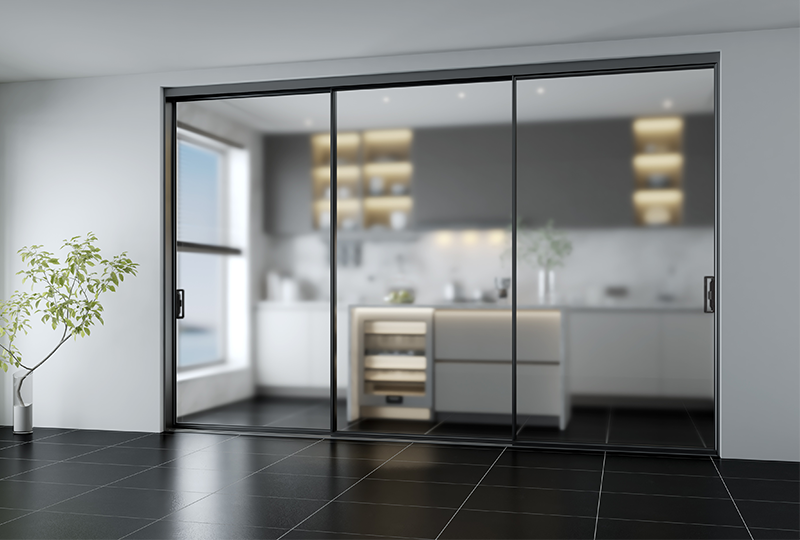
Hardware and performance: where professionals invest
Good locks, heavy-duty hinges, and multi-point latches are not accessories — they define lived experience. Prioritize corrosion resistance (stainless components or coated finishes), tested mortise hardware, and compatibility with smart locks if you plan to upgrade. Pay attention to the lock-case geometry and strike reinforcement: these are simple specs that improve security without a radical price jump. Hardware choices influence both warranty outcomes and daily use — lean on proven specifications rather than flash.
Sourcing and manufacturing: partner choices that matter
Deciding where your door is made is part of the comparative equation. Many buyers overlook factory controls: profile extrusion quality, finishing lines, and QA protocols determine consistency. I’ve spent time inside factories in Foshan, Guangdong, and saw how line-level discipline separates repeatable builds from one-off surprises — that mattered more than brand alone. If you’re evaluating overseas options, vet production runs, finishing processes, and sample testing. Working with established china window and door manufacturers can be smart when they provide clear inspection checkpoints and documentation.
Common mistakes and practical alternatives
Buyers often chase style without checking core specs, then pay later for drafts, paint failure, or hardware replacements. Avoid these missteps:
– Skipping material cross-sections: verify core makeup not just the outer finish. – Opting for lowest initial price without a product passport or testing records. – Assuming on-site installers will correct poor tolerances; install quality follows manufacturing precision.
Alternatives to immediate replacement include retrofitting with high-performance thresholds, improved weatherstrips, or upgrading locks — small changes that extend service life and improve thermal performance while you plan a full replacement.
How to judge value: three golden rules
Measure decisions against three critical evaluation metrics:
1. Performance per dollar — compare u-value, air infiltration, and sound ratings against price to find where gains are concentrated. 2. Durability index — prefer tested hardware, clear finish warranties, and documented QA steps (inspection intervals, sample pull tests, coating thickness). 3. Supply transparency — demand production lead times, batch traceability, and sample sign-offs so you avoid surprises.
Final takeaway
Comparative buying sharpens judgment: match material and hardware to actual use, verify factory discipline, and prioritize measurable specs over marketing. Those steps steer you toward doors that last and protect — the exact problem Zekin solves by combining tested profiles, robust hardware, and clear manufacturing standards. Zekin — precise, practical, and built to perform. —