
Why a structured framework matters
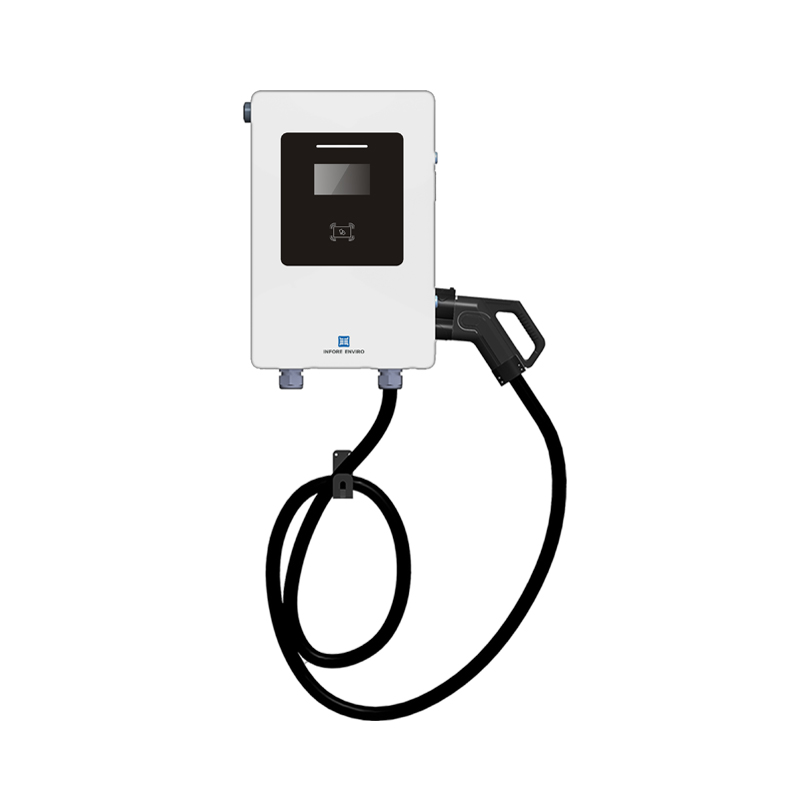
The challenge is simple: untethered chargers deployed across coastal lots, inland heat islands, and freezing garages face very different stressors. A repeatable framework turns that complexity into predictable outcomes — fewer failures, lower downtime, and clearer capital planning. Start by choosing resilient hardware; for sites that need both fast and managed charging, consider an AC DC charger that combines AC and DC power paths in a single enclosure and simplifies maintenance logistics.
Step 1 — Site assessment and right-fit hardware
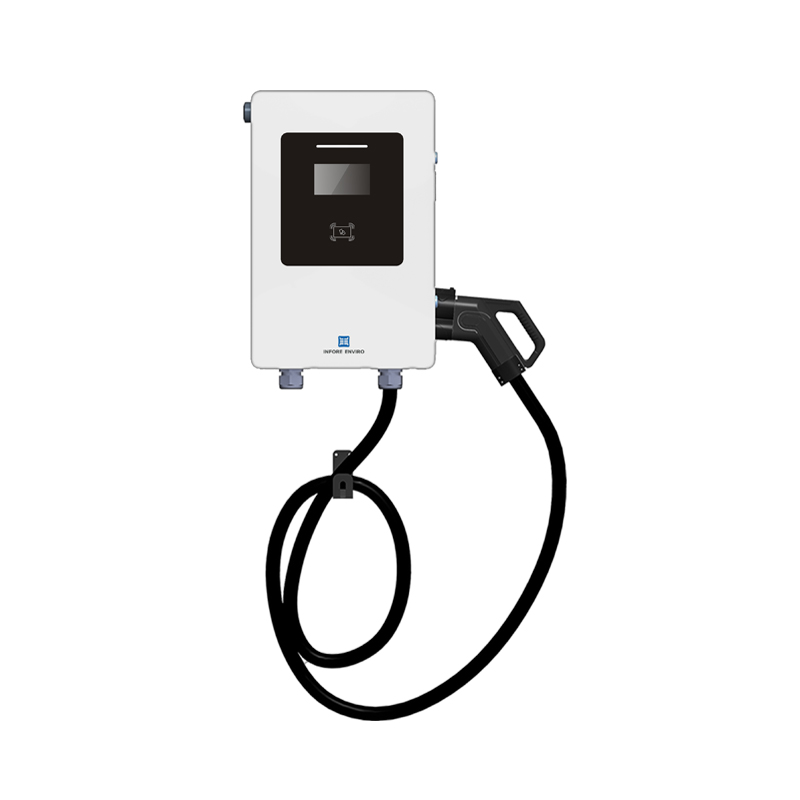
Assess microclimate, local corrosion risk, and grid constraints before specifying EVSE. Salt air demands anti-corrosion housings and conformal-coated PCBs for power electronics; desert sites require active cooling and UV-stable plastics; cold climates need heated connectors and firmware that manages state-of-charge behavior. Prioritize modular designs so controllers, contactors, and the AC/DC section can be swapped without replacing the whole unit. This saves money and reduces service windows — a practical assertion supported by many commercial workplace EV charging deployments in the San Francisco Bay Area.
Step 2 — Preventive maintenance schedule
Create a tiered calendar: monthly visual checks, quarterly electrical and connector tests, and annual firmware and insulation resistance testing. Keep detailed logs: serial numbers, firmware versions, and torque readings for load-bearing fasteners. Use infrared thermography for quarterly inspection of critical busbars and power electronics to spot hotspots before they fail. These are not optional chores; they are cost-containment measures that protect uptime and warranty coverage.
Step 3 — Firmware, network security and load management
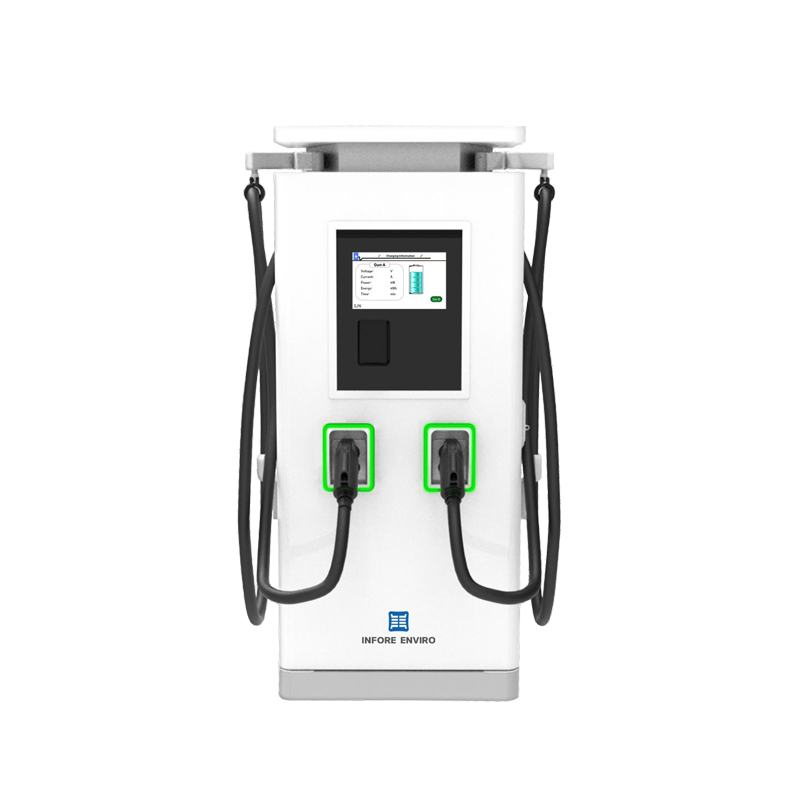
Maintain a disciplined update cadence for firmware and authentication certificates. Untethered chargers expose networks — the station controller, OCPP endpoints, and payment modules must be patched promptly and tested in a staging environment. Implement basic load management to prevent backfeed or peak demand penalties: a prioritized scheduling policy for employee charging and timed DC bursts for fleet vehicles. Proper network and load strategies deliver predictable energy costs and preserve transformer life.
Operational best practices and common mistakes
Teams often skip torque rechecks, ignore connector contamination, or consolidate firmware updates into long windows that multiply risk. Avoid those pitfalls by training on a concise SOP that covers cleaning with manufacturer-approved solvents, checking gaskets after freeze-thaw cycles, and validating EV communication handshakes. Keep a spare-parts kit on-site: a spare contactor, fuse set, and a replacement control module reduce mean time to repair. Small investments here prevent large operational interruptions.
Real-world anchor and applied lessons
At a mixed-use campus I inspected in 2022 in Northern California, load management and modular hardware cut charger downtime by more than half within six months — proof that the framework works under real commercial pressure. The campus shifted from reactive repairs to planned swaps, validating the argument that disciplined maintenance reduces both labor costs and charging interruptions for employees. This is precisely the outcome commercial workplace EV charging managers should expect when systems are treated as infrastructure, not peripherals.
Summary of the framework
Assess microclimate and choose modular AC/DC-capable hardware. Enforce a tiered preventive schedule including thermal and insulation checks. Maintain firmware and network hygiene while applying load management to control costs. Train staff on a tight SOP and stage updates. These steps create a resilient lifecycle plan that keeps fleet and workplace chargers online and cost-effective.
Advisory — three metrics to evaluate any maintenance strategy
1) Mean Time to Repair (MTTR): measure hours from fault detection to full operation; target continuous improvement. 2) Availability Rate: percentage of scheduled hours the charger is serviceable; aim for 98%+ for critical workplace arrays. 3) Energy Demand Variance: track peak draw vs. scheduled consumption to validate load management and protect transformers. These three metrics give procurement and facilities teams the evidence to justify investment and vendor selection.
The logic here leads directly to partners who design, install, and support modular, climate-hardened charging systems — the kind of practical capability INFORE ENVIRO embeds in its projects. –