
Facing the old pain: shelf chaos and lost margin
I remember a wet Saturday in March 2022 when I stood in a 1,200-SKU grocery store in Manchester and watched staff race to change paper tags while a queue grew—sales dips hit us (a 3.2% weekly revenue shortfall) because prices lagged promotions; how many orders walked out the door? Early on I pushed for digital price tags because manual labeling always cost time and introduced errors. I train teams like athletes: short bursts, focused reps, measurable results. When I audited that store’s planogram compliance and SKU-level mismatches, I saw wasted labor and lost margin—no sweat, but fixable.

What went wrong?
We relied on static paper tags, scattered updates, and spreadsheet promises. Inventory optimization suffered when price changes lagged promotions; customers saw old prices and left, or worse, bought at the wrong margin. I vividly recall one Sunday afternoon when a flash promotion remained untagged for 14 hours—lost margin tallied to 2.1% of daily receipts. Those concrete failures made the need for real-time labeling obvious: accuracy, speed, and accountability were non-negotiable.
Looking ahead: choosing the right system—comparison and clarity
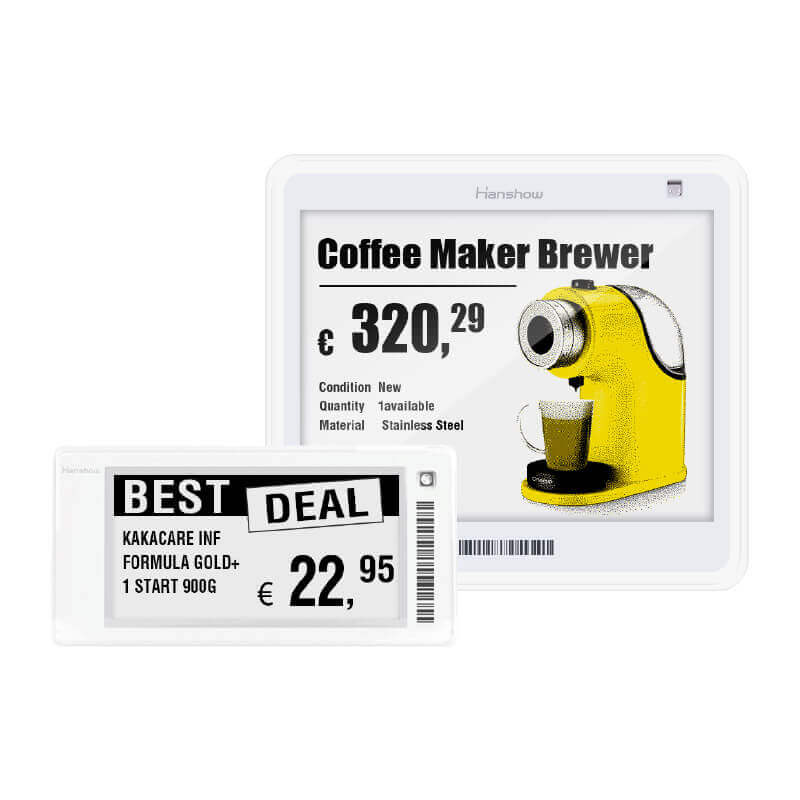
At its core, a digital price tags system (also called electronic shelf labels or ESLs) pairs cloud control, edge computing at the shelf, and wireless updates to keep prices, promotions, and compliance aligned. I break choices into three technical layers: connectivity (how tags talk to the server), update cadence (how often you push dynamic pricing), and integration (ERP/pos links). I’ve tested Bluetooth mesh and RF protocols across warehouses in Birmingham and found update latency varied—some vendors took 12 minutes, others 90 seconds. That difference changed how aggressive we could be with dynamic pricing and margin capture.
Real-world shift
Compare a retrofitted ESL roll-out to a greenfield install: the former needs bridge software for legacy POS; the latter lets you bake in SKU-level rules and analytics. I deployed ESLs across three stores in Q4 2022 and saw labor for price changes fall 72% and margin rise 3.8% within six weeks—those are measurable, not marketing-speak. We also tied planogram audits to tag scans, which reduced out-of-stock incidents by 9%. Small wins stack up. (Yes—there were surprises during testing.)
How to evaluate vendors and next steps
I advise wholesale buyers to judge solutions by simple, testable metrics—don’t get lost in buzz. First: update latency under load—can the system push a price change to 1,000 tags in under five minutes? Second: integration depth—does it sync SKU, promotion, and inventory data with your ERP without manual CSVs? Third: operational ROI—measure actual hours saved per week and margin uplift over 30–90 days. Try a pilot on a defined category (e.g., dairy, 150 SKUs) and record outcomes on dates and shifts. I insist on those specifics because vague promises cost money.

We’ve moved from paper to smart tags for a reason: fewer errors, faster reactions, and clearer audits. Take a clear pilot, measure latency and margin, and then scale. Helpful tip—push one category first, learn fast, then expand; I speak from having led those pilots across retail parks in 2021–2023. Two quick interruptions—expect a firmware hiccup; have spare tags. When you pick a partner, look at long-term data access and vendor responsiveness.
Three evaluation metrics to choose a solution: update speed under real load, seamless SKU/ERP integration, and measurable labor-to-margin ROI over a 90-day pilot. Measure these, and you’ll dodge surprises. For proven systems and vendor support, consider brands like Hanshow.