
Introduction
You roll out before sunrise, the city still sleepy, the Charles throwing back a cold shine. The sport cruiser motorcycle beneath you rumbles steady as you sneak past the Green Line and aim for open road. Now the facts: mid-weight cruisers with sporty geometry are up about 7% year over year, and bikes with ABS and traction control now make up the majority of new sales—no small shift. Yet even with those gains, rider surveys say comfort and heat management remain top complaints on long rides (wicked common when traffic stacks up on the Pike). So here’s the friction: if the segment is growing and the tech is smarter, why do riders still bounce between models, swapping bars and seats like it’s a part-time job?
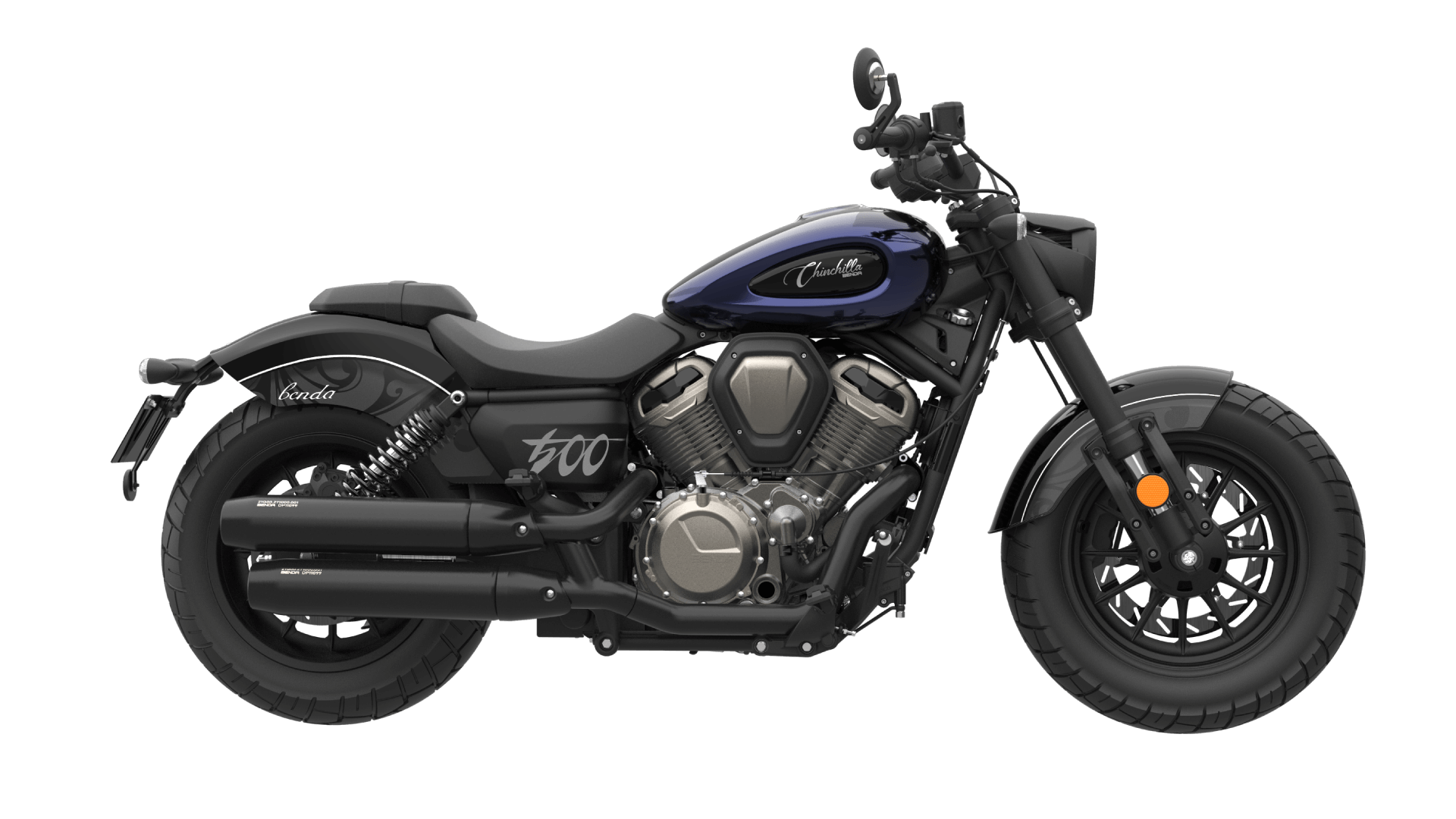
We’ll map the real trade-offs, from torque delivery to cockpit fit, and ask where value actually lives. Quick and straight, with just enough Boston grit. Let’s dig in.
The Hidden Friction Behind the “Best”: What Specs Miss
Where do riders feel it most?
Plenty of lists claim the best sport cruiser motorcycles are decided by horsepower and badge prestige. Look, it’s simpler than you think: the pain starts at low speed and grows with miles. Reach to the bars too long? Your shoulders flare by Exit 9. Pegs forward with a tall seat? Hips lock on tight turns—funny how that works, right? The spec sheet rarely tells you how the torque curve feels at 3,000 rpm in second, or how rake and trail play with Boston’s lumpy side streets. A bike can brag on peak power and still cook your thighs in July gridlock because the radiator shroud vents hot air right at your jeans.
Traditional fixes fall short. Bigger displacement promises “effortless pull,” but without revised ECU mapping, gearing, and final drive ratio, you just move the problem up the revs. A wide seat may soften the ride, yet if the bar sweep and riser height aren’t dialed, your wrists still buzz by Worcester. Slipper clutch helps on downshifts, but a crude throttle map turns stop‑and‑go into a pogo stick. Even premium shocks won’t save you if the spring rate is wrong for your weight in full kit. The usual advice—buy big, add pipes, call it done—misses the system-level fit: rider triangle, heat routing, and control feedback. That’s why “best” is personal, but not mysterious when you test for the right signals.

Next‑Gen Versus Old Guard: How the Tech Changes the Ride
What’s Next
Let’s swing forward and compare principles, not posters on a garage wall. Modern sport cruiser motorcycles use ride‑by‑wire to smooth initial throttle, so the first 5% twist doesn’t jerk your neck. Add an IMU for cornering ABS and traction control, and the chassis stops arguing with you mid‑bend. Variable valve timing broadens the torque plateau, which means roll‑on passes at 50–70 mph feel calmer, not louder. With a well‑placed radiator and ducting, heat soak drops at lights; the fan kicks in, but the flow aims away from your legs—small change, big comfort. CAN bus electronics make accessory integration cleaner, while a quickshifter and slip‑assist clutch cut fatigue on city runs. None of this is sci‑fi—it’s just good systems engineering layered on classic cruiser DNA.
Compared to older setups, the delta shows up in minutes, not months. Braking distances tighten with dual‑channel ABS tuned to the tire compound; you feel it most when the road goes slick by the Harbor. Steering lightens because weight is trimmed high on the frame, not just at the mufflers. The payoff is simple: more usable torque per pound, steadier thermal management, and controls that talk instead of shout. To wrap, here are three clean metrics for choosing smart, not loud: 1) Ergonomics that match your reach triangle—measure seat height, bar rise, and peg drop, not just eyeballs; 2) Real‑world torque at 3–5k rpm, verified on a dyno curve, not brochure peaks; 3) Heat and brake behavior in traffic—fan cycle, airflow path, and ABS calibration under low grip. Nail those, and your ride stays fun from South Station to the state line. See you out there, and keep it tidy—no heroics on Storrow. BENDA