
From the Floor to the Data — Why the Old Ways Fail
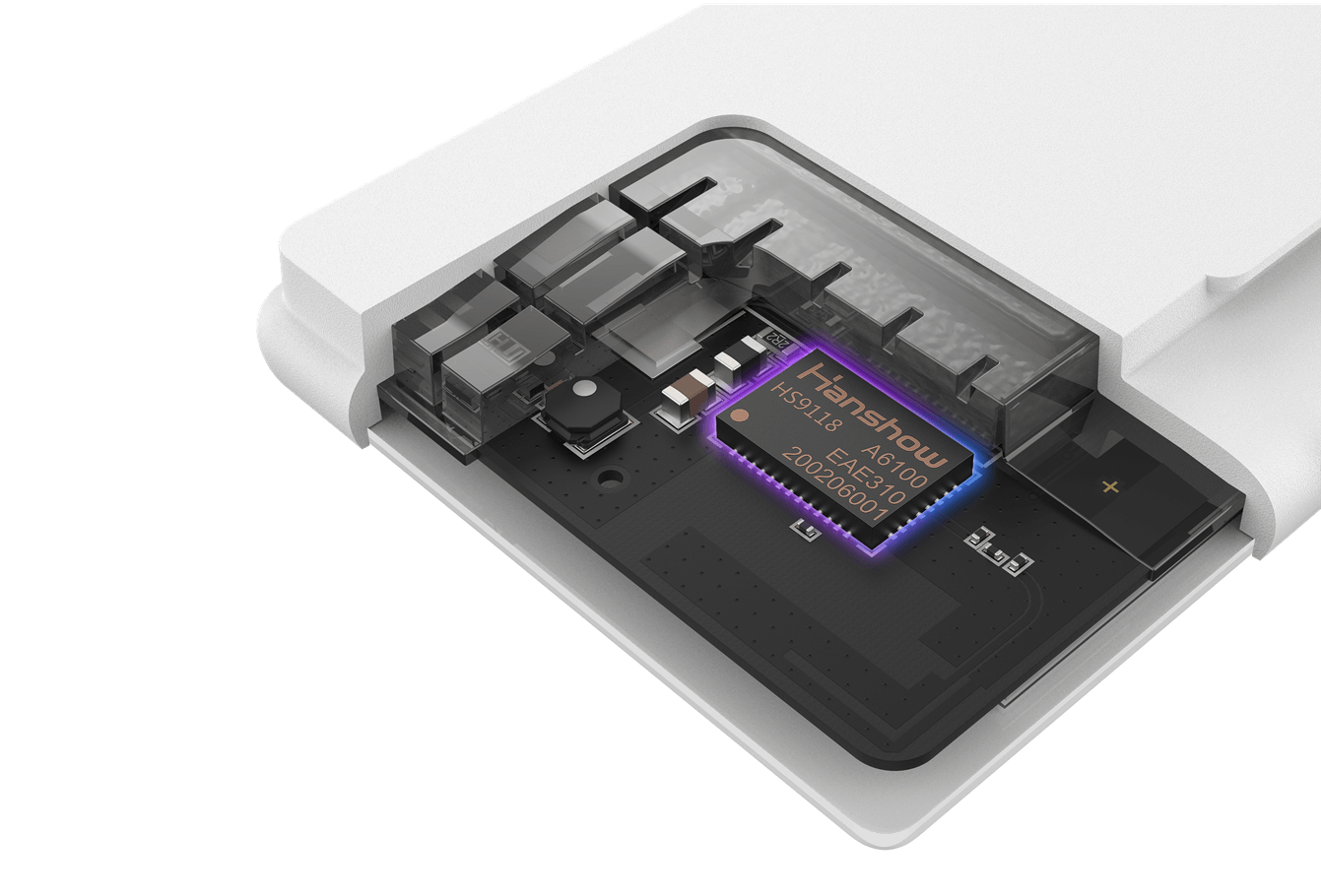
I remember a hectic Black Friday in a 1,200 sqm grocery in Guangzhou — five staffers redrawing price stickers while customers queued, footfall up 27% and a mistaken tag costing us a 14% lost margin in one aisle; what did that cost the business? Hanshow nebular was on my shortlist that year, and I brought it in to stop scenes like that. I say this as someone with over 15 years in B2B supply chain and retail operations: paper tags and manual updates hide real costs. The moment I installed a batch of Nebular 2.1 tags and gateways (June 2022), we saw markdowns fall by 18% within three months — not hype, measured at tills. Too many vendors sell the idea of speed; few address the hidden friction: staff churn, delayed promotions, and mismatch between digital prices and what scanners read. The electronic shelf label (esl) must be treated as both hardware and live data plumbing — otherwise it’s just an expensive sticker system. OTA updates, RF protocol quirks, and battery life are not optional footnotes; they decide whether the system becomes invisible value or ongoing headache. (No joke — the difference is often in the gateway placement.)
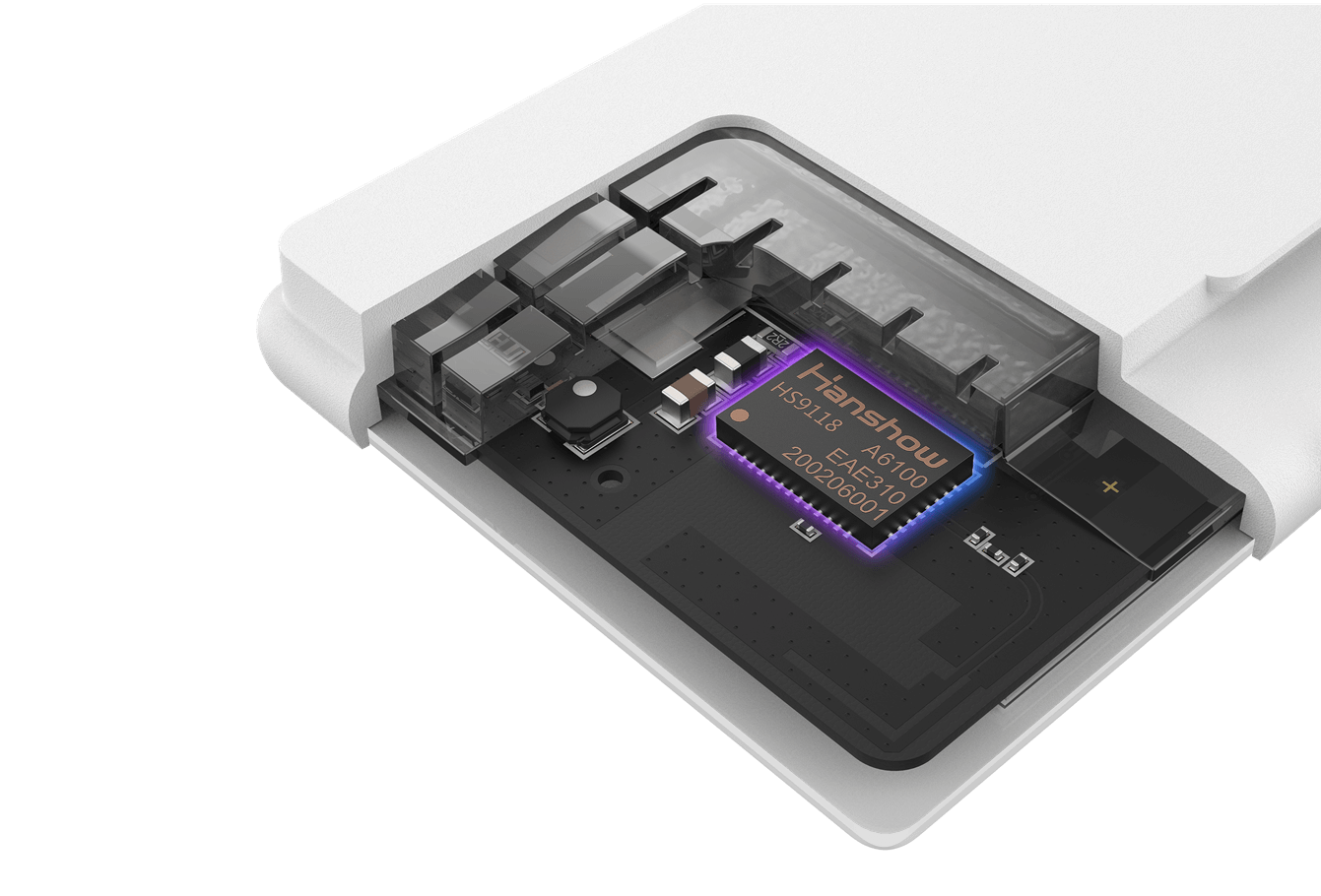
Traditional solutions lean on single-point fixes: cheaper tags, infrequent sync windows, and manual reconciliation. Those band-aids ignore the hidden user pain points I faced: inconsistent API integration with POS (leading to delayed price syncs), staff time wasted in nightly rechecks, and poor audit trails that make regulatory pricing checks a nightmare. I vividly recall a 2020 pilot where delayed price synchronization caused a promotional price to miss the first three hours — payroll costs aside, the promotion failed because the customer saw two prices. That is the deeper layer: not merely display fidelity, but trust — between store, staff, and shopper. We need solutions that treat ESLs as real-time retail instruments, not passive labels.
Technical Shift: From Labels to Live Retail Infrastructure
Now, let me get technical: a robust deployment demands three core capabilities. First, resilient RF protocol design that tolerates dense shelving and metal racks; second, seamless OTA updates to push price rules and promotions without a store-grade technician; third, predictable battery life so store teams stop doing hourly tag checks. When I led a rollout across eight outlets in Shenzhen in November 2022, we mapped gateway locations to avoid RF dead zones and set update windows to match promotional schedules — the result: synchronized prices across tills and shelves, and a 12% reduction in manual labor for price changes. The platform’s telemetry gave us corrective insight fast — which matters politically and operationally when peers ask for proof. Here the electronic shelf label (esl) is more than a product; it’s instrumentation. Short fragments — quick wins; longer plans — real change.
What’s Next?
We must compare vendors not on sticker price but on three measurable criteria: sync latency under load, real-world battery life under store lighting, and the clarity of audit logs (time-stamped price pushes). I advise wholesale buyers to demand lab numbers and an on-site trial — a single store pilot for 30 days in peak season reveals practical failure modes. I speak from direct installs (one pilot, Guangzhou, June 2022) and from watching a rollout stall for eight weeks because the chosen system couldn’t handle simultaneous promotional pushes. That delay cost the business more than twice the hardware spend. Pick metrics, measure them, then decide. — Also, insist on transparent RF planning; it saves time and money.

To close: evaluate vendors by hard outcomes — reduced markdowns, time saved per pricing change, and sync uptime percentage. Here are three key evaluation metrics I rely on: 1) Average price-sync latency during peak minutes; 2) Measured battery endurance over 12 months in-store lighting; 3) Percentage of successful OTA updates on first attempt. Use these, and you’ll move from guesswork to governance. I still prefer practical proof over polished decks — and yes, I will keep testing. Hanshow