
When the cue hits and the room doesn’t
You are seconds from the opening drop. The crowd is ready, the music swells, and the lighting cue fires—yet the beam lands a hair late and a touch wide. Your indoor laser lights supplier sits behind that moment. Small numbers tell the story: a 200 ms sync delay can break the illusion, and a 1° shift in beam divergence can move the hotspot by over 17 cm across a 10 m throw (no drama, just facts). So, what happens when the supplier misses on spec, integration, or aftercare—and what could you do differently to prevent it? Let’s step through the real gaps, then compare what new tech offers.
Looking under the hood: where traditional approaches fall short
Where do old methods fail?
Legacy rigs often look fine on paper. But they stack compromises in use. With indoor laser lights, the big misses tend to cluster around control, optics, and power. First, control: a basic DMX link works, yet signal latency and refresh limits can desync beam moves from audio peaks. Add long runs, splitters, and odd line voltage, and you get jitter that a crowd can sense—even if they cannot name it. Second, optics: inconsistent beam divergence and worn scanning galvanometers cause fuzzy edges and “wobble” at wide angles. Third, power: under-specced power converters and poor thermal management reduce duty cycle just when you need sustained output. Look, it’s simpler than you think—most “mystery” glitches map back to these three zones.
Support then magnifies the pain. Traditional vendors ship a box and a manual. They do not map the venue’s heat zones, they do not validate cable paths, and they rarely provide safety interlock guidance that fits your fire plan. The result is reactive troubleshooting during a show—funny how that works, right? Edge cases—like mixed protocols, dense haze, or low ceiling bounce—expose gaps fast. When crews compensate live, they ride trim values and pan/tilt offsets, which increases error over time. You feel it as “drift.” The fix is not magic. It is about tighter component baselines, realistic pretests, and integration that respects real-world friction.
Comparative edges: smarter systems, cleaner outcomes
What’s Next
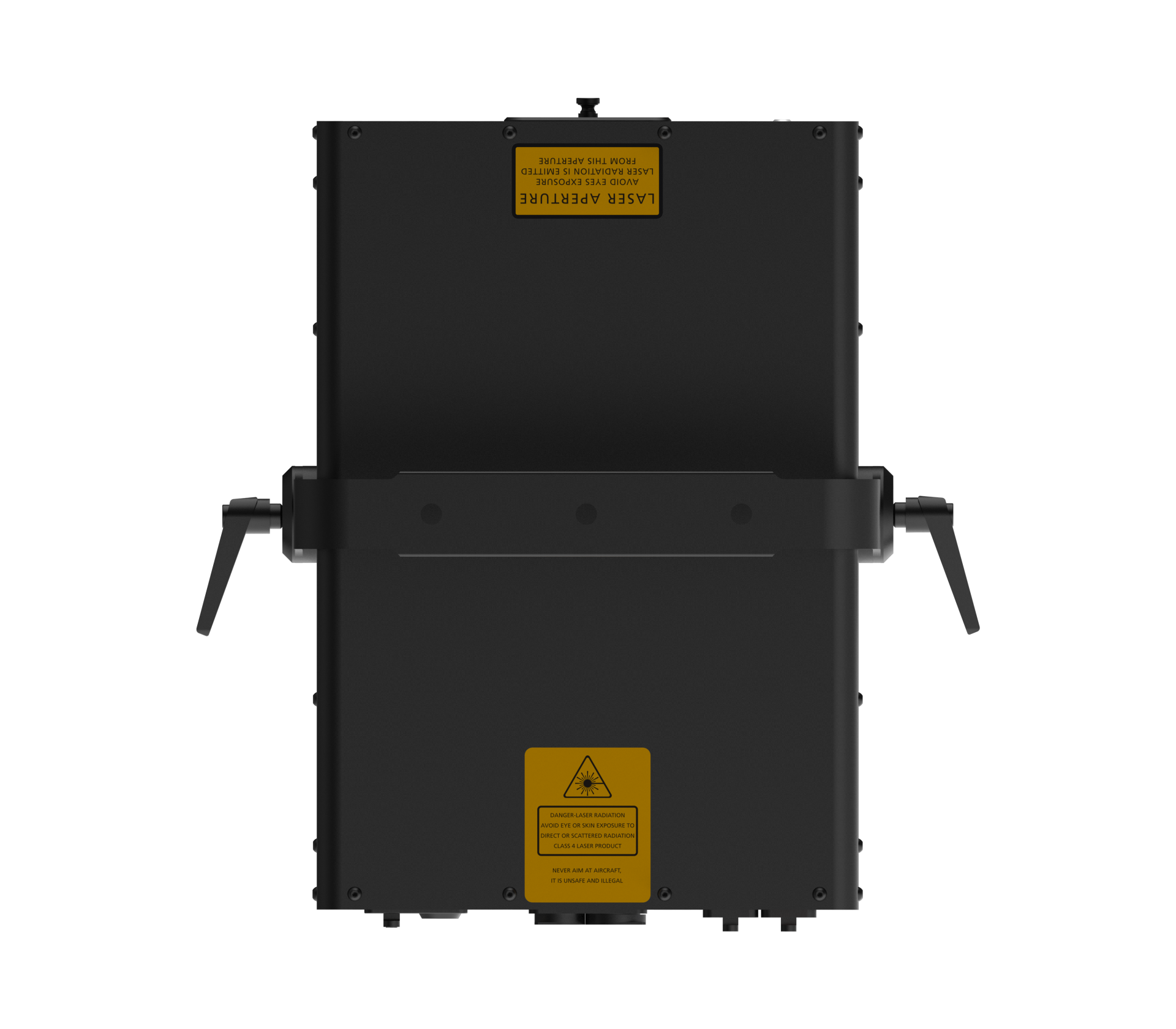
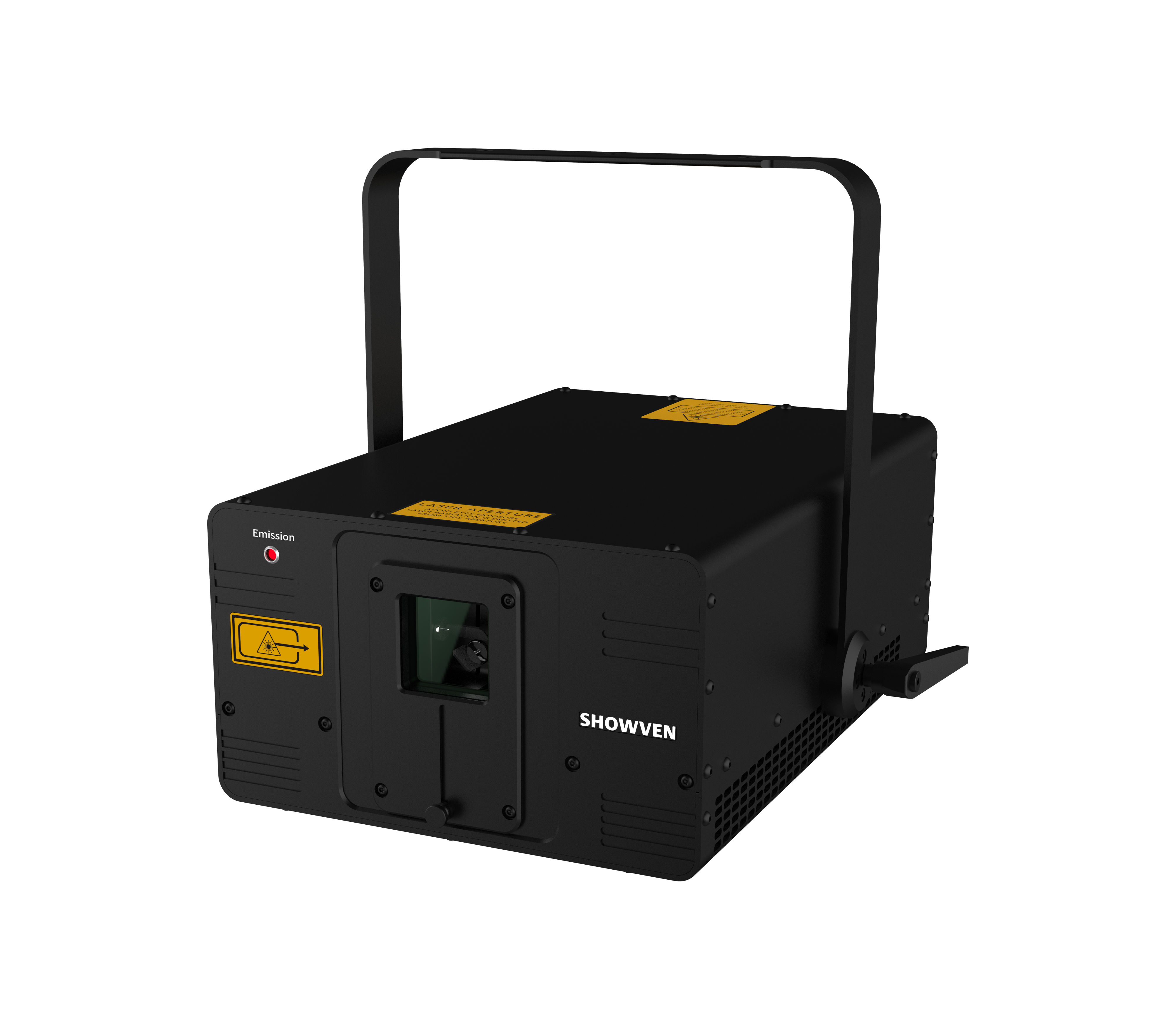
Modern platforms attack those choke points head-on. Instead of a simple controller chain, newer systems add distributed logic—think small edge computing nodes near fixtures—to cut signal latency. That means tighter cue timing and smoother fades. Optically, sealed modules with better alignment hold beam divergence steady across a wider scan. Encoders on scanning galvanometers help keep lines straight at speed. On the power side, high-efficiency power converters and active thermal management sustain output without throttling, even in warm rooms. The net effect is less jitter, sharper looks, and fewer unplanned resets. Drop in an indoor laser light projector built on these principles and you often need fewer fixtures to get the same punch—because usable brightness and repeatable edges beat raw lumen claims.
Real-world translation matters. You want fast setup, clean safety, and predictable cues. Systems that include self-check at boot, logged temperatures, and a clear safety interlock chain reduce pre-show anxiety— and yes, that surprised us too. Compare old versus new on three simple signals: how many cable hops from console to fixture, how many degrees the hotspot grows at max spread, and how long output holds before a thermal dip. If the answers are “fewer,” “smaller,” and “longer,” you have a winner. To wrap up with something practical, here are three metrics to judge any option without guesswork: 1) Timing: end-to-end cue latency under 50 ms at your cabling length; 2) Optics: beam divergence stability within ±0.2 mrad across rated angle; 3) Uptime: sustained duty cycle with logged temps below the throttle threshold for your show length. Keep the conversation grounded in these numbers, and you will avoid most show-night drama. For a reference point and further reading, see Showven Laser.